


Why Strict GMO Regulation Stifles Innovation
New breeding techniques such as CRISPR-Cas are considered key to developing resilient crops, stable yields and reducing the need for plant protection products. ETH professor Bruno Studer warns that overregulating these technologies strengthens precisely those large agricultural corporations that critics seek to curb, while excluding smaller breeders and start-ups from the market.
Published: 03.02.2026, 12:47
New breeding techniques (NBTs) are fundamentally transforming plant breeding. They allow targeted, precise and controlled interventions in the genome and are regarded by Studer as a continuation of classical breeding methods. This view is expressed in an interview published in Schweizer Bauer.
While classical mutagenesis produces thousands of random genetic changes, genome editing techniques such as CRISPR-Cas enable precise modifications without introducing foreign genetic material. The resulting plants are genetically indistinguishable from conventionally bred varieties. Nevertheless, in Switzerland NBT plants are subject to stricter regulation – a paradox that treats identical plants differently depending on the method used.
EU moving forward – Switzerland hesitating
In the European Union, a change of course is emerging. On 3 December 2025, negotiators from the 27 EU member states and the European Parliament agreed to largely equate plants developed using new breeding techniques with conventionally bred plants. Food produced from these plants would be allowed on the market without special labelling. If approved by Parliament and the Council, this would mark a historic breakthrough for European plant breeding.
Switzerland, by contrast, continues to plan its own legislation with mandatory environmental risk assessments – even for NBT plants that contain no foreign genes. Studer sees this as problematic: Swiss farmers and breeders would be placed at a competitive disadvantage compared to their EU counterparts. The exchange of seeds would become more difficult, and in some cases impossible.
The higher the barriers, the greater the market concentration
A central argument of critics of new breeding technologies concerns the power of large agribusiness corporations. Yet this is precisely where Studer issues a warning: increased regulation does not lead to greater diversity, but to greater concentration. Over recent decades, agricultural companies have grown not only due to technological superiority, but above all because of rising regulatory requirements. Research, development and approval processes have become increasingly costly and complex. The result has been consolidation. Small breeders have disappeared, and start-ups often fail at the “go-to-market” stage.
Strict rules can ultimately only be afforded by large corporations. Restricting access to modern breeding tools excludes smaller players and reinforces the very market power that many critics oppose.
Studer therefore advocates a different approach: if diversity in plant breeding is the goal, market entry barriers must be lowered. Innovation emerges where many actors have access to modern tools.
Global competition is moving fast
While Europe and Switzerland continue to debate, innovation is progressing rapidly elsewhere. In the United States, Brazil and particularly China, genome-edited crops are already being widely developed and approved. According to the Point newsletter by scienceindustries, 509 of the approximately 900 known global projects involving genome-edited crops originate in China. Breeding objectives range from higher yields and stress tolerance to improved food and feed quality.
Blocking new breeding techniques does not protect diversity – it restricts it. A diversified plant breeding sector requires less ideological opposition and more pragmatism. Deregulation lowers market entry barriers, enables innovation and strengthens a broad breeding landscape. This is the key to sustainable agriculture and long-term food security.
Sources
Kindly note:
We, a non-native editorial team value clear and faultless communication. At times we have to prioritize speed over perfection, utilizing tools, that are still learning.
We are deepL sorry for any observed stylistic or spelling errors.
Related articles

What’s Really in Your Shopping Basket
Genetic engineering in our shopping basket? Yes – and much more often than we think. Whether it’s pasta, bread or vegetables: many of the everyday products we consume come from mutation breeding, which involves altering the genome and is considered safe. It’s high time to debunk the common myths.

Genomic breeding methods are not given a chance to prove themselves
Modern genomic breeding methods are legally classified as genetic engineering – and are therefore still effectively blocked. Yet we have been eating genetically modified plants for decades, just under the label of “classical mutagenesis.” The new, more precise techniques are regulated more strictly than the old ones, even though they are considered safer from a scientific perspective. A contradiction that urgently needs to be corrected. The EU is setting a good example.
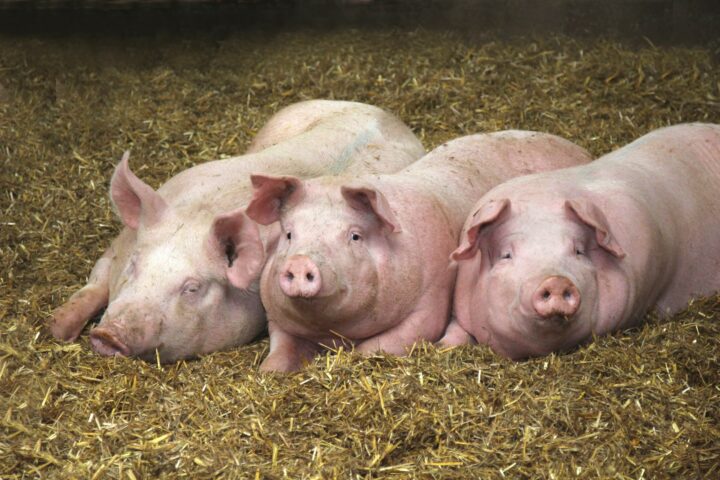
No Pig Business: Why Testicle-Free Boars Are a Clear Win for Animal Welfare
New breeding methods are opening up new possibilities in both plant and animal breeding. They allow targeted genetic changes that can make animals more resilient, adaptable, and healthier.

Anti-Food Waste Banana
British biotech company Tropic has developed a banana using CRISPR/Cas gene editing that no longer turns brown. In the US, it is already on the market, while in England, it has passed the decisive regulatory hurdle. The same technology could also help save the world's most popular banana from extinction.
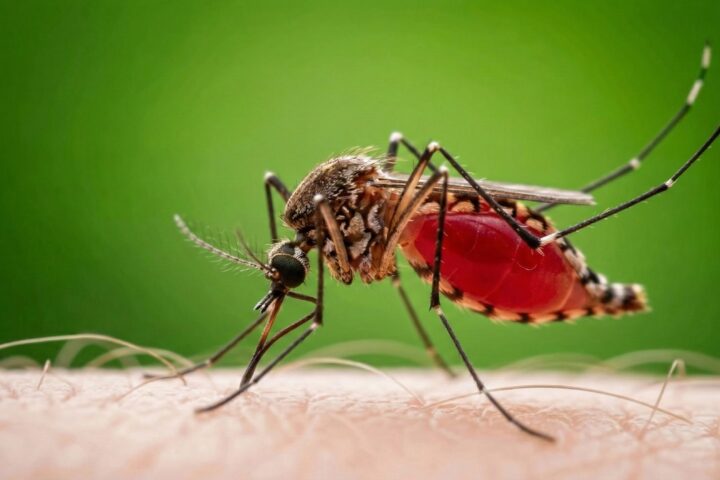
Asian Tiger Mosquito: Federal Government Implements Action Plan – But Insecticides Remain Taboo
Invasive species such as the Asian tiger mosquito are increasingly spreading across Switzerland. The federal government is sounding the alarm and wants to put a stop to the mosquito with a national action plan. However, the most effective measure is being left out: insecticides.

Record Heat 2026: Why Agriculture Needs Resilient Crop Varieties
Heat, drought, and hail took a heavy toll on Swiss farmers in 2026. In an interview with the NZZ, Adrian Aebi, head of Switzerland's largest crop insurer, warns: "If we carry on like this, agriculture will bleed dry." Looking to the future, there is an urgent need for resilient crop varieties that can withstand heat and dry conditions.
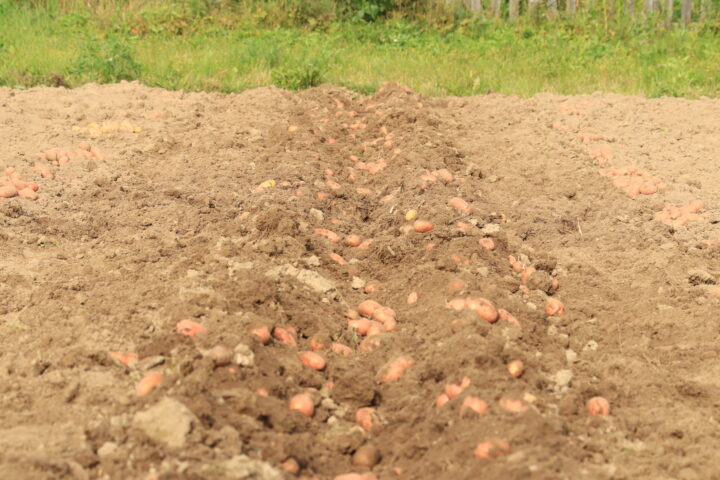
Record low potato harvest: Why is the Federal Council standing still?
The hot summer of 2026 caused the lowest potato harvest in Switzerland since records began a century ago. To secure domestic supply and build climate resilience, the agricultural sector is calling for swift access to new breeding technologies, which are already being authorized in the European Union. However, the Federal Council has delayed the corresponding draft legislation until 2027.