

Production
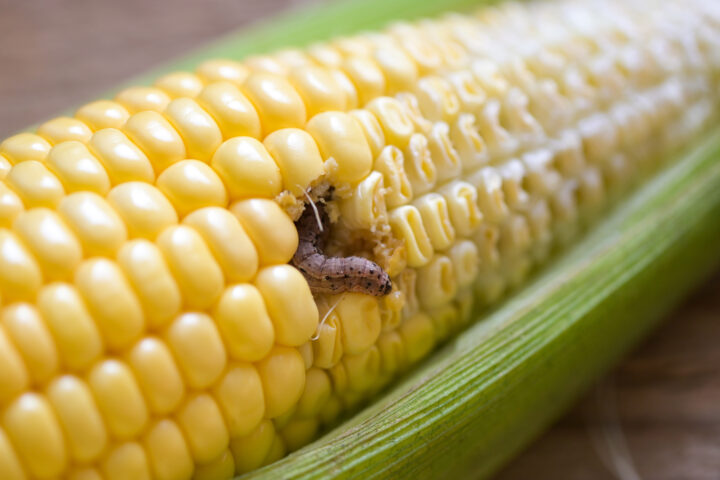
Anxious sweat as a cry for help
Plants live dangerously. They are surrounded by predators. But they are not completely at their mercy. Decades of research have shown this. For example, plants emit odours when attacked. This realisation could lead to new strategies for plant protection. However, it is still uncertain whether this will ever lead to a widely used product.
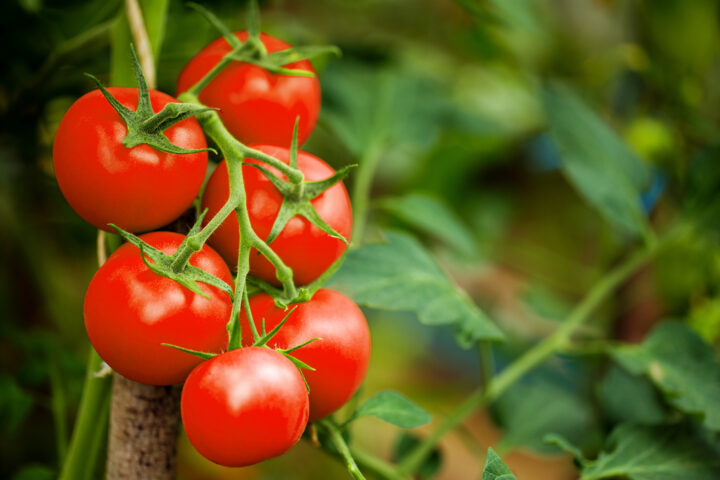
Science demonstrates the concrete benefits of new breeding methods
The Swiss Academy of Sciences (SCNAT) recognizes the significant opportunities offered by new breeding methods. In a new dossier, the Academy presents five examples of crops cultivated using genome editing, which have high potential for Swiss agriculture. This publication emphasizes the scientific consensus on the use of genetic scissors. The new breeding methods offer numerous advantages for the environment and agriculture.

Climate change: lower harvests starting as early as 2030?
Climate change affects the quality and quantity of harvests. According to a recently published study, there is a risk of significantly lower maize harvests as early as the mid-2030s. Africa and South America are primarily affected. However, Europe must also be careful that agricultural production is not neglected.
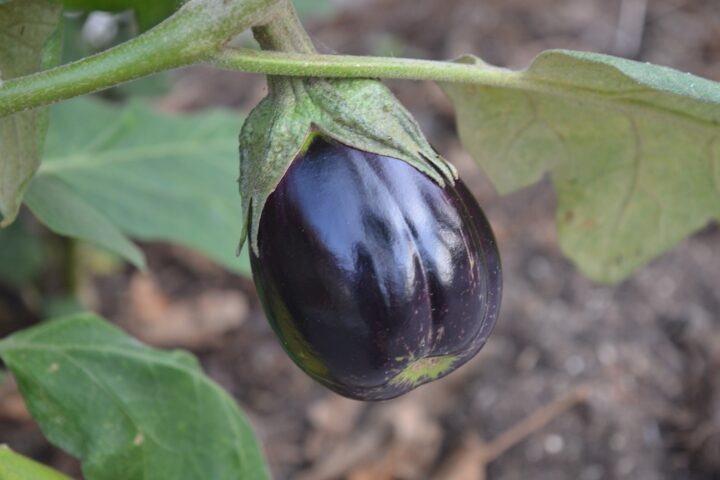
Healthy eggplants thanks to Bacillus thuringiensis
Insect pests like fruit and shoot borers pose a significant threat to food security in many regions of the world. External application of chemical insecticides has proven unsuitable. Therefore, the research industry has high hopes for biologics.