

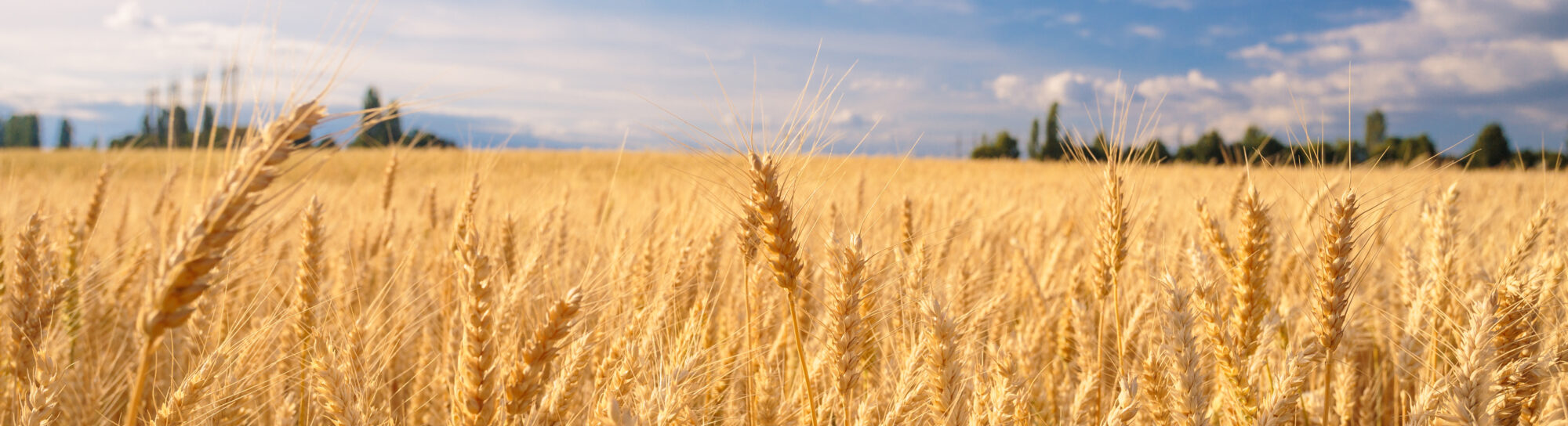
Parliament decides on a change of course in green genetic engineering
According to the National Council, the Council of States has also spoken out in favor of a loosening of the Gene-Tech Moratorium. The Federal Assembly takes the arguments from the scientific community into account with the decision. The opportunities presented by new breeding technologies are greater than the risks. The Federal Council is now called upon to initiate the approval of new breeding methods.
Published: 10.03.2022, 09:27
Fungus resistant wines, dry-tolerant corn or gluten-reduced wheat: As the «NZZ' writes, crops bred using new breeding technologies may soon be planted on Swiss fields. Both the National Council and the Council of States have changed course accordingly in the assessment of new breeding technologies. It is true that the Gene-Tech Moratorium, which has existed since 2005, is being extended. But now the Federal Council is being asked to prepare a template by 2024, which will exclude new breeding technologies such as genome editing from the Gene-Tech Moratorium. The prerequisite is that the plants do not contain any genes that are alien to the species. Plants bred with the help of genome editing would then no longer be covered by the genetic engineering law and would no longer be «genetically modified organisms' (GMOs) from a legal point of view. They also no longer need to be declared as such.
Precision instead of coincidence
The background to the «radical change of opinion" reported by the NZZ is the enormous scientific progress made in recent years. Genome editing, which includes the Nobel prize-winning CRISPR/Cas9 gene scissors, allows the genetic material of crops to be modified in a much more precise and gentler way than was the case with older methods. Genome editing is also more gentle than currently approved breeding methods. In «undirected mutagenesis’, plant genes are exposed to radiation or chemicals to cause gene mutations. Plant breeders hope that the desired property will come about by chance. This is a lengthy process that is also used in organic breeding and has also been qualified as genetic engineering by the European Court of Justice. With CRISPR/Cas9, desired plant properties can be achieved much faster.
Openmindedness of consumers
The Greens, NGOs and organic groups expressed their displeasure with the parliamentary decision. But their arguments can easily be overcome. Again and again they claim that genome-edited plants do not correspond to the wishes of consumers. That is doubtful. If the benefits of new breeding technologies – for example, fewer plant protection products or more climate resilience – are explained, consumers have a great understanding of such technologies. This is the result of a study by the research institute gfs.bern. The ETH Zurich also achieved a similar result. Younger generations are therefore much more open to innovative approaches to agriculture than older generations.
Related articles
Agriculture and trade secure our food supply
The No to the Food Initiative is clear. It is an opportunity to free supply policy from wishful thinking. A sense of reality has returned to the political debate. Switzerland needs an agriculture sector that is able to produce food, and reliable trading partners for what it cannot produce itself.
Food Security Initiative: Why Do the Goals Cancel Each Other Out?
The popular initiative "For a Secure Food Supply" calls for a self-sufficiency rate of 70 percent. At the same time, it demands drastic restrictions on crop protection and the promotion of open-pollinated seeds. The Federal Council also confirms that this balancing act does not work: a higher degree of self-sufficiency combined with severe restrictions on crop protection is not realistic.

Security Risk on the Plate: "We Are Extremely Vulnerable"
Hans Jörg Rüegsegger (SVP) has been a member of the National Council representing the Canton of Bern since 2023. A certified master farmer and agricultural technician (Agro-Techniker HF), he manages a farm in the Emmental valley specialising in dairy farming and arable crop production. As the former President of the Bernese Farmers' Association, he has first-hand knowledge of the entire value chain in Swiss agriculture.

Assess scientifically instead of banning indiscriminately
The debate surrounding PFAS is gaining momentum in Switzerland. At its core are questions about potential risks to human health and the environment, as well as future regulatory approaches. A differentiated, science-based approach is essential – as emphasised by scienceindustries in a short interview with Dominique Werner, Head of Chemicals Regulation.