
Opportunities for start-ups in the agri-food sector
From a technological point of view, there is no reason why Switzerland should lag behind current hotspots such as Singapore or Israel in the field of agri-food tech. Nutrition is above all a question of innovation.
Published: 06.09.2021, 13:59
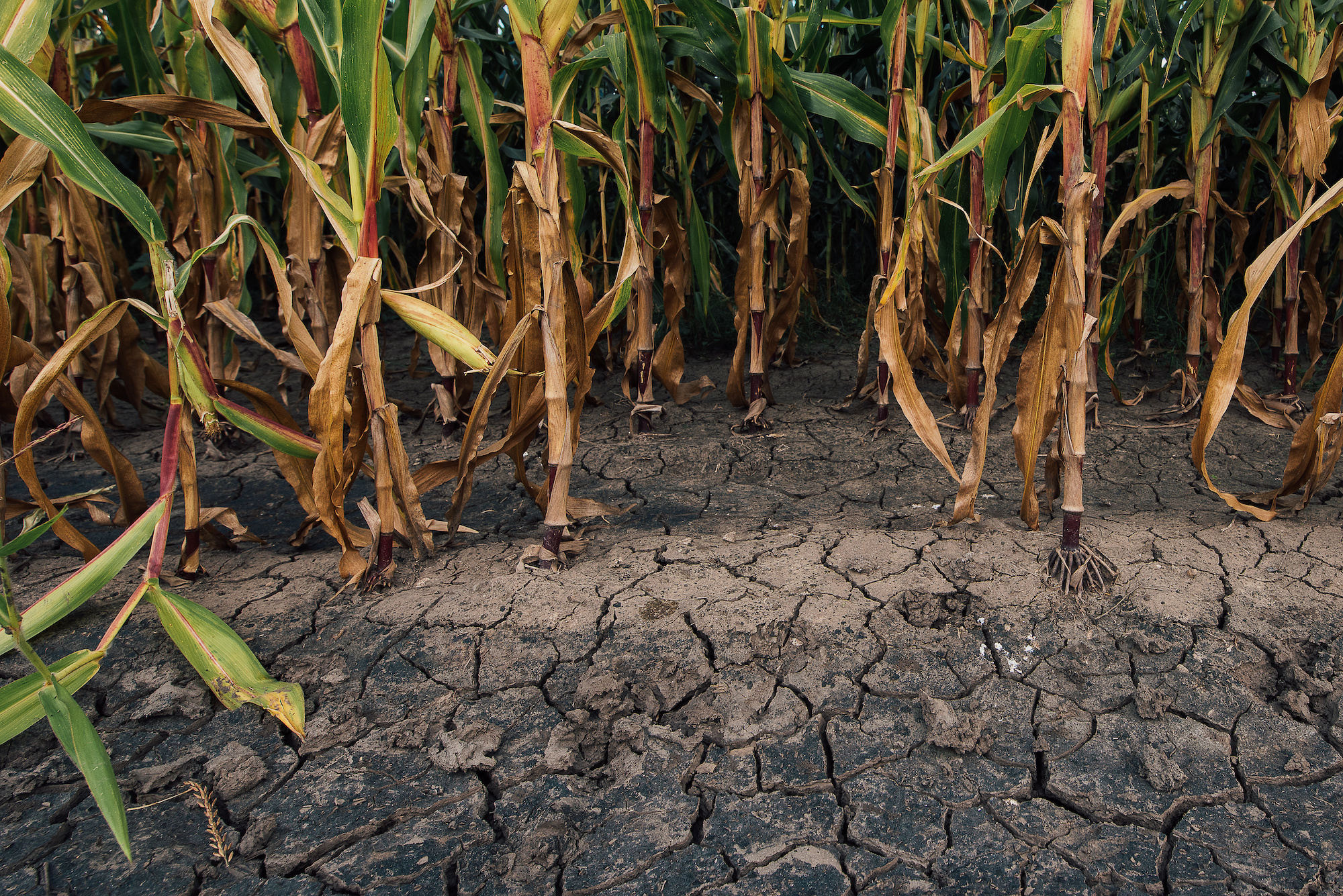
The debate surrounding agricultural and climate initiatives has highlighted the enormous diversity of viewpoints and brought social, political and economic challenges to the fore alongside ecological ones. Current and future challenges such as climate change, food waste, meat consumption, animal welfare, soil fertility, healthy ageing and the burden of healthcare costs are becoming increasingly relevant. Creating a sustainable food system, known as ‘one planetary health’, is one of the most pressing issues in Switzerland and around the world, given that the global population is expected to reach around 9 billion by 2050.
Innovation and competitiveness
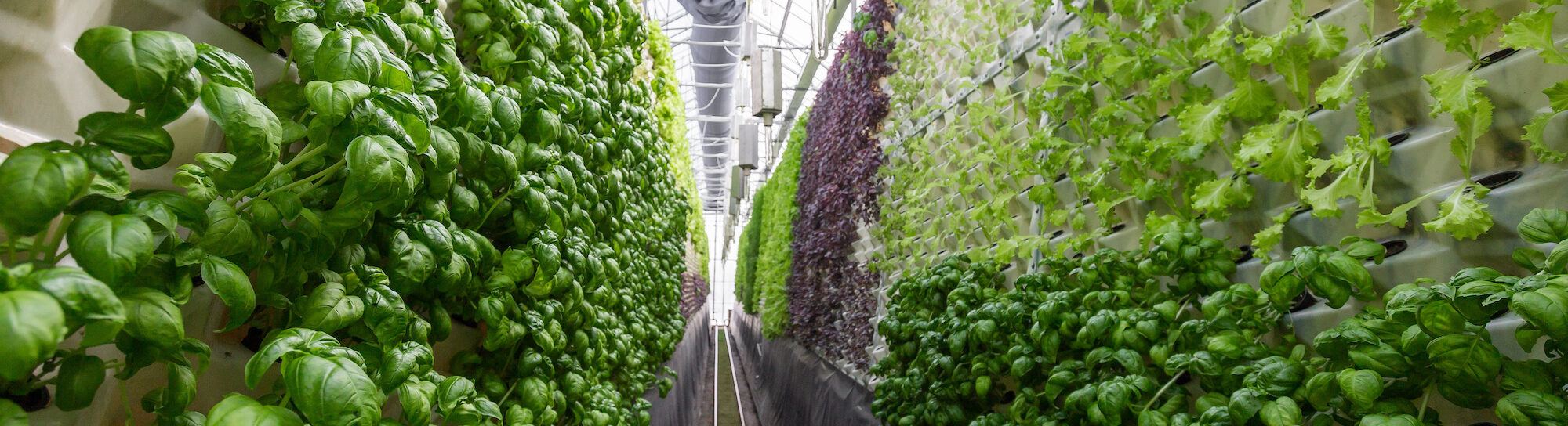
Practical solutions require a forward-looking, holistic approach, new production methods and the involvement of everyone – from agriculture, the processing industry, trade, politics and science to consumers. Innovative ideas and solutions in the field of agri- or food tech, such as indoor farming, cell-based protein, 3D-printed food and novel food ingredients, have great potential to solve the problems we face.
Switzerland has been a leader in innovation and competitiveness for years and is ideally placed to establish a stable and successful agri-food tech ecosystem thanks to its universities, companies, start-ups, financial resources, political framework and open-minded and committed consumers.
However, Switzerland could exploit this potential even better and more effectively to move towards more sustainable food production and utilisation.
The innovation ecosystem, with its various innovation networks, platforms and support programmes, plays a central role in this. They help ideas to emerge, act as catalysts and transfer expertise. Together with the excellent research landscape, companies and start-ups, new, innovative solutions can be developed and scaled up successfully on a global level.
From a technological point of view, there is no reason why Switzerland should lag behind current hotspots such as Singapore or Israel in the agri-food tech sector. Challenges exist in the areas of regulation and financing. Issues such as novel foods (Novel Food Regulation), new concepts for promoting ideas and rapid market implementation need to be addressed.
Innovation ecosystem is key
Support for the innovation ecosystem and new ways of promoting start-ups are key issues. Switzerland is still characterised by a broad middle class – how can suitable concepts be used to build the next generation of independent companies in the food sector from the many start-ups? This represents a major opportunity for the economy as a whole, and one that must be seized.
An innovation offensive in the food and nutrition sector is called for. Similar to the Digital Switzerland strategy adopted by the Federal Council in September 2018, the agri-food tech sector, with all its opportunities for greater sustainability and economic success, can also be placed at the centre of political strategies.
Promoting Switzerland as an innovation biotope
The research-based industrial companies Syngenta, Bayer and DSM, in collaboration with the industry association scienceindustries, have been supporting the Start-up Innovation Corner at the ‘Brennpunkt Nahrung’ conference, which was launched by Swiss Food Research, for several years. In doing so, they are making an important contribution to Switzerland's innovation biotope.
This article was written by Daniel M. Böhi, entrepreneur and director of the Founder Institute in Palo Alto, California, Bettina Brinkmann, co-founder of the Zurich think tank Food Visionaries, and Peter Braun, CEO of Swiss Food Research. It was first published in the Neue Zürcher Zeitung on 20 October 2021.
Kindly note:
We, a non-native editorial team value clear and faultless communication. At times we have to prioritize speed over perfection, utilizing tools, that are still learning.
We are deepL sorry for any observed stylistic or spelling errors.
Related articles
A Contribution Spanning Generations
Food security begins long before the harvest. It begins with varieties that deliver yields, resist diseases and perform reliably under changing environmental conditions.

A Hint to Politicians, Delivered by Test Tube
Switzerland's top science prize goes to a researcher who helped develop the "gene scissors", a technology that has decisively advanced agriculture. While science has long since opened up new possibilities and the EU is moving ahead on regulation, Switzerland continues to dawdle.

Full Shelves – Of course! How Secure Is Our Supply Really?
Security of supply sounds like a shared goal. However, as soon as it comes to the path to get there, conflicts arise: between market and state, ecology and production, as well as self-sufficiency and international connectivity. The Agricultural Policy Podcast and swiss-food.ch explore the key dependencies and areas of tension surrounding supply security in a five-part series. The highlight will be a live podcast in front of an audience on November 5, 2026, at the Äusserer Stand (Hofcafé) in Bern.
Is Organic More Sustainable?
Organic food is considered a prime example of sustainability – but in reality, it often ends up in the waste bin faster than conventional products. The omission of artificial preservatives and modern plant protection drastically shortens shelf life and leads to more food waste.