


Genetic Engineering in Everyday Swiss Life – “There’s a Gene in Everything!”
Switzerland has had a moratorium on genetic engineering since 2005. It is intended to ensure that genetically modified organisms (GMOs) are not cultivated in Swiss agriculture and that the population is protected from potential risks. The moratorium creates the impression that Switzerland is largely free of genetic engineering. However, a closer look reveals that this technology has long been firmly embedded in our daily lives – mostly without us noticing.
Published: 27.02.2026, 11:42
In brief
- Genetically modified soy enters Swiss barns as animal feed – products made from it, such as meat, milk, and eggs, are not subject to mandatory labelling.
- Enzymes such as chymosin (cheesemaking), flavourings such as vanillin, and vitamins are produced using genetically modified microorganisms (GMOs) and do not require declaration.
- Directly consumed imported products based on soy and maize are subject to mandatory labelling only if their GMO content exceeds 0.9%.
- Pharmaceuticals such as insulin, numerous vaccines, and gene therapies are based on genetic engineering and are accepted by the public.
- A representative population survey by gfs.bern demonstrates the openness of the Swiss population towards genomic approaches.
While the moratorium prohibits the cultivation of genetically modified crops in Switzerland, it does not ban the import of animal feed. For example, genetically modified soy imported from overseas is used in Swiss livestock farming. The resulting products – such as meat, milk, and eggs – are not legally classified as genetically modified and therefore do not require labeling. Consumers have thus been indirectly consuming products linked to genetic engineering for many years.
Soy and corn products intended for direct human consumption, such as soy flour or corn oil, may also be genetically modified if imported. These products are subject to labeling requirements once they contain more than 0.9% GMO content. In many areas, genetic engineering has already become a largely invisible part of our food system.
Additives and Enzymes: Where GMO Microorganisms Are Used
Another often overlooked application concerns additives such as enzymes, flavorings, vitamins, and sweeteners. Genetically modified microorganisms play a key role here. Genetically engineered chymosin has become a common substitute for natural rennet derived from calf stomachs. It is chemically identical to its animal counterpart but more efficient and cost-effective to produce. Industrial cheese production widely relies on this method, while traditional and organic cheeses typically use animal rennet. There is no labeling requirement for genetically produced enzymes, as the genetically modified organism is no longer detectable in the final product.
Substances such as aspartame, frequently used in soft drinks and low-calorie foods, are often produced using genetically modified microorganisms. The same applies to flavorings like vanillin, which is now largely produced through biotechnology. Many vitamins, especially vitamin B2 (riboflavin), are also manufactured in this way. They are found in fortified foods such as breakfast cereals and in animal feed. No labeling requirement applies here either, meaning consumers are largely unaware of their widespread use.
Medicine and Breeding Research: Benefits for Health and Agriculture
In medicine, genetic engineering has long been indispensable. It plays a central role in the production of many medicines, including insulin, which is essential for people with diabetes, as well as numerous vaccines. Gene therapies are increasingly being used to treat inherited diseases and cancer. Such medical advances are widely accepted by the Swiss population because of their clear health benefits.
Despite the moratorium, this important technology is firmly embedded in everyday Swiss life. It reaches us through animal feed, food additives, and medical applications. The absence of labeling reinforces the impression that Switzerland is “GMO-free” – an illusion that does not align with scientific or legal reality.
Contrary to the alarmist narratives promoted by opponents of genetic engineering – who have recently launched an initiative against risk-based regulation of new breeding technologies – no negative effects on humans or the environment have been identified. On the contrary, new genomic breeding techniques offer significant potential. The Swiss Academy of Sciences presents five concrete examples of crop plants developed through genome editing that could provide added value for Swiss agriculture, the environment, and consumers.
Why Public Acceptance is High
Breeding technologies based on new genomic approaches may soon be approved in Switzerland. The Swiss population appears open to liberalization. A second representative survey conducted by gfs.bern confirms the high level of acceptance of genome editing.
Genetic engineering is already part of our everyday lives. The myth of a “GMO-free Switzerland” is scientifically (and legally) incorrect. And in the future, this will become even more apparent. It is time for the term “genetic engineering” to lose its stigma.
Technology has long been a useful and integral part of our daily lives in many ways.
About swiss-food.ch
swiss-food.ch is an information platform run by the research-based food and agricultural technology sector, bundling fact-based content on nutrition, agriculture, crop protection, and biotechnology. The articles are editorially prepared, and the sources used are linked within the text. The platform is supported by Syngenta and Bayer.
Keywords: Genetic engineering · Moratorium · GMOs · Swiss agriculture · Genome editing · Additives · Food
Is Switzerland completely GMO-free due to the genetic engineering moratorium?
No. The moratorium merely prohibits the cultivation of genetically modified crops in Swiss agriculture. Genetic engineering is already an integral part of everyday life in Switzerland through imported animal feed, processed food, additives, and medical products.
Do meat, milk, and eggs from animals fed with GMOs have to be labelled?
No. Products from animals fed with genetically modified soy or other GMO feed from overseas are legally not considered genetically modified in Switzerland and are not subject to mandatory labelling.
When must imported food be labelled as GMO?
Soy and maize products intended for direct human consumption, such as soy flour or corn oil, only need to be labelled in Switzerland if they contain more than 0.9% genetically modified organisms.
Why is chymosin used in cheesemaking not labelled as genetic engineering?
Genetically engineered chymosin serves as a substitute for calf rennet. Since the genetically modified microorganism is no longer detectable in the finished cheese, there is no legal requirement for labelling.
Which everyday additives are produced using genetic engineering?
In addition to the cheese enzyme chymosin, sweeteners such as aspartame, flavourings such as vanillin, and vitamins (e.g. vitamin B2 / riboflavin in cereals or animal feed) are frequently produced using genetically modified microorganisms.
Where is genetic engineering used in medicine?
In medicine, genetic engineering is indispensable for producing pharmaceuticals such as insulin for diabetics, in numerous vaccines, and in gene therapy for treating hereditary diseases and cancer.
What is the Swiss population's attitude towards new breeding technologies?
According to a representative population survey by gfs.bern, Swiss citizens are open to liberalisation and the use of genome editing.
Kindly note:
We, a non-native editorial team value clear and faultless communication. At times we have to prioritize speed over perfection, utilizing tools, that are still learning.
We are deepL sorry for any observed stylistic or spelling errors.
Related articles

Genetic engineering? Yes, of course.
As a consumer, you often don't know: products advertised as GMO-free have long contained genetic engineering. This is a thorn in the side of opponents of genetic engineering. But it is easier to keep quiet about the ‘scandal’ – because something we have been eating for a long time no longer scares us.

‘No genetic engineering’ is simply not an option!
For years, politicians and environmental organisations have been stirring up unnecessary fears about a technology that has been helping to conserve resources and protect the environment for decades, while improving the quality and tolerability of food and cosmetics. It is time to put an end to this consumer deception.
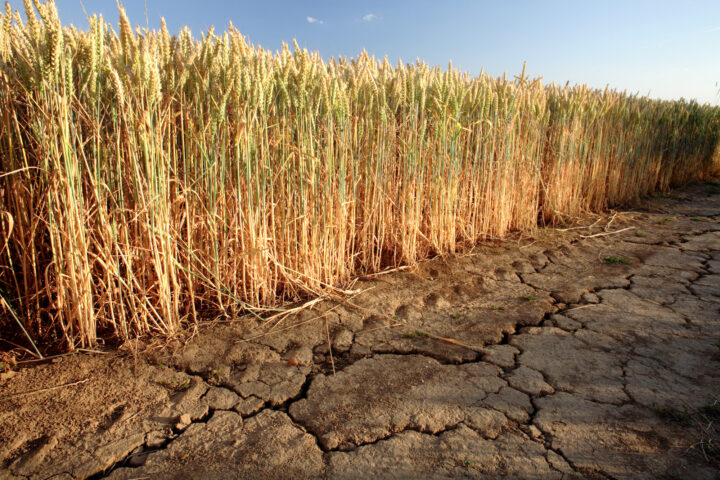
The opponents of green genetic engineering lack facts. Their anti-attitude is a dangerous ideology
Switzerland and the EU will decide on the cultivation of plants modified using new breeding technologies in 2025. Authorisation is sensible – and long overdue. After all, genetic engineering is already widespread.
A Contribution Spanning Generations
Food security begins long before the harvest. It begins with varieties that deliver yields, resist diseases and perform reliably under changing environmental conditions.
A Hint to Politicians, Delivered by Test Tube
Switzerland's top science prize goes to a researcher who helped develop the "gene scissors", a technology that has decisively advanced agriculture. While science has long since opened up new possibilities and the EU is moving ahead on regulation, Switzerland continues to dawdle.
Full Shelves – Of course! How Secure Is Our Supply Really?
Security of supply sounds like a shared goal. However, as soon as it comes to the path to get there, conflicts arise: between market and state, ecology and production, as well as self-sufficiency and international connectivity. The Agricultural Policy Podcast and swiss-food.ch explore the key dependencies and areas of tension surrounding supply security in a five-part series. The highlight will be a live podcast in front of an audience on November 5, 2026, at the Äusserer Stand (Hofcafé) in Bern.
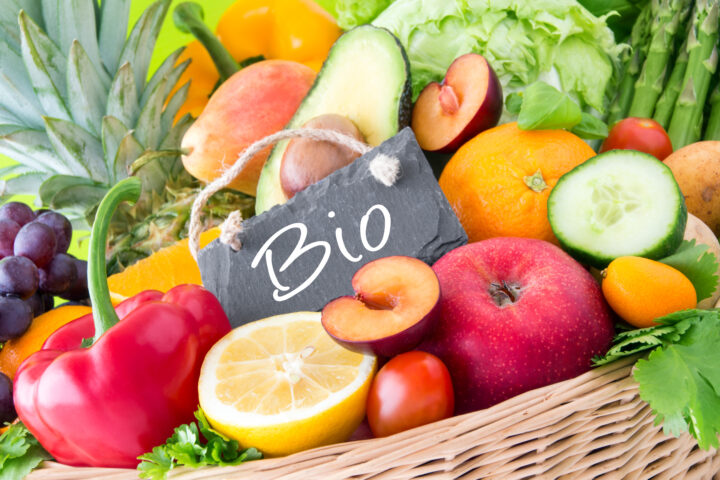
Is Organic More Sustainable?
Organic food is considered a prime example of sustainability – but in reality, it often ends up in the waste bin faster than conventional products. The omission of artificial preservatives and modern plant protection drastically shortens shelf life and leads to more food waste.