

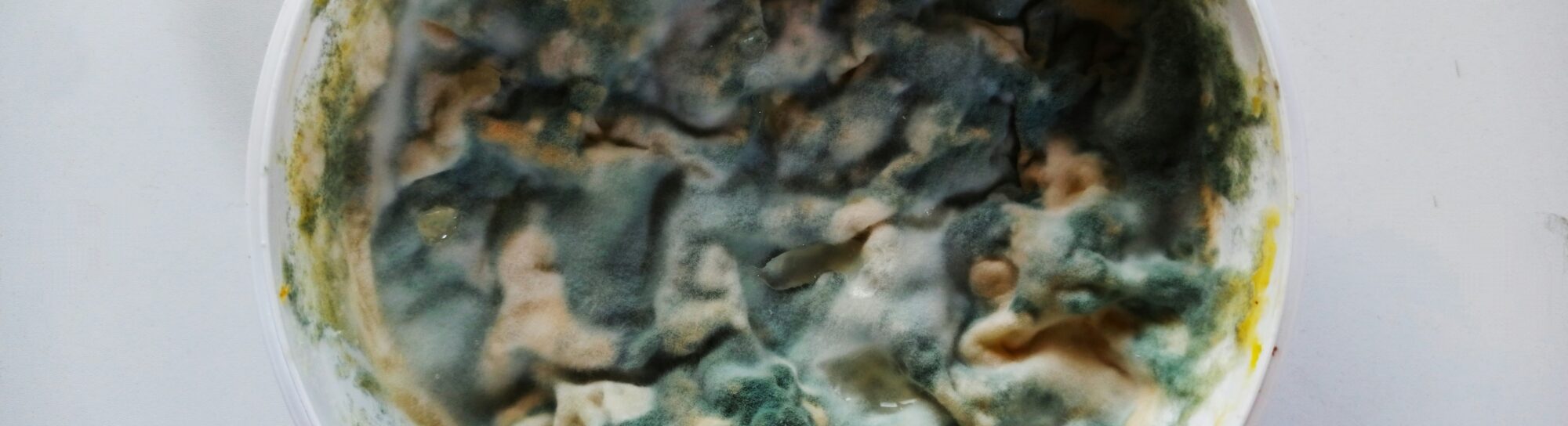
Natural Toxins: An Underestimated Risk in Our Food
Safe food cannot be taken for granted. While chemical substances are often the focus of public criticism, reality shows that the greatest risks to food safety are of natural origin. Recent recalls of infant food products illustrate how insidious bacterial toxins or moulds can be.
Published: 05.02.2026, 18:20
Worldwide, numerous food processors have had to recall batches of baby food. The trigger was the toxin cereulide, produced by bacteria of the Bacillus cereus group. The problem is not the bacterium itself, but its ability to produce the toxin cereulide under certain conditions. Particularly favourable conditions for toxin formation can arise during the production or storage of milk powder. Unlike many pathogens, this toxin is heat-stable; it cannot be reliably destroyed by conventional heating. This is especially dangerous for infants, whose metabolism is still far more sensitive than that of adults.
Carcinogenic mycotoxins (fungal toxins), which can contaminate cereals or nuts and thus enter our food, are also invisible to the naked eye. Consumers must therefore be able to rely on scientific controls and the technological hygiene standards of manufacturers.
Global hygiene as a protective shield
The cause of the current cereulide contamination is suspected to lie in an essential ingredient, arachidonic acid, which is frequently contained in milk powder and is very important for infants’ brain development. Food safety requires seamless monitoring of the entire value chain. This is a paradox of modern times: only through advanced hygiene (often supported by chemical measures) and modern technologies can these natural, sometimes deadly risks be effectively minimised. Abandoning proven protective measures – whether fungicides against moulds or strict industrial cleaning procedures using biocides – ultimately puts human lives at risk.
Good to know
Contaminated food poses a major threat: worldwide, around 600 million people suffer from foodborne illnesses every year; more than 400,000 die annually as a result. This danger affects every part of the world.
Food safety begins long before the kitchen: it starts with agricultural practices and the protection of crops from pathogenic microorganisms and toxins in the field. Every step from farm to fork must be designed to neutralise these natural threats through appropriate methods. Pesticides – meaning plant protection products and biocides – help food processors and retailers prevent food waste.
Kindly note:
We, a non-native editorial team value clear and faultless communication. At times we have to prioritize speed over perfection, utilizing tools, that are still learning.
We are deepL sorry for any observed stylistic or spelling errors.
Related articles
A Contribution Spanning Generations
Food security begins long before the harvest. It begins with varieties that deliver yields, resist diseases and perform reliably under changing environmental conditions.
A Hint to Politicians, Delivered by Test Tube
Switzerland's top science prize goes to a researcher who helped develop the "gene scissors", a technology that has decisively advanced agriculture. While science has long since opened up new possibilities and the EU is moving ahead on regulation, Switzerland continues to dawdle.

Full Shelves – Of course! How Secure Is Our Supply Really?
Security of supply sounds like a shared goal. However, as soon as it comes to the path to get there, conflicts arise: between market and state, ecology and production, as well as self-sufficiency and international connectivity. The Agricultural Policy Podcast and swiss-food.ch explore the key dependencies and areas of tension surrounding supply security in a five-part series. The highlight will be a live podcast in front of an audience on November 5, 2026, at the Äusserer Stand (Hofcafé) in Bern.
Is Organic More Sustainable?
Organic food is considered a prime example of sustainability – but in reality, it often ends up in the waste bin faster than conventional products. The omission of artificial preservatives and modern plant protection drastically shortens shelf life and leads to more food waste.