

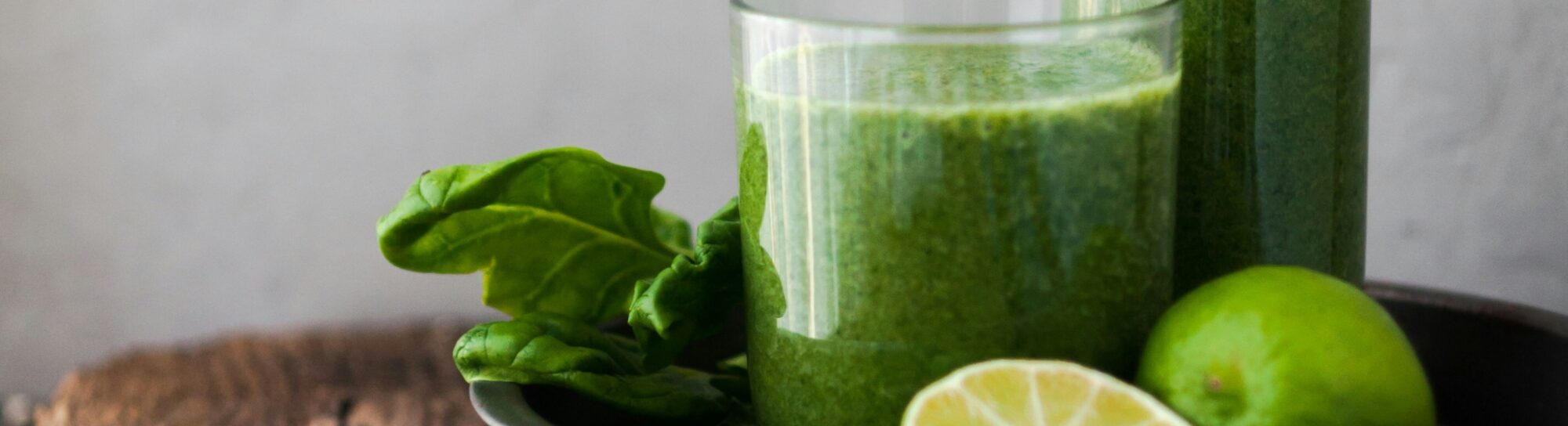
Pesticides in Green Smoothies
After countless recipes for Christmas cookies, festive roasts and cocktails, the advice on losing weight, detoxing and beautifying oneself now takes centre stage. Most of it is sheer nonsense.
Published: 06.02.2026, 13:58 | Updated: 20.02.2026, 23:16
A friend who wants to eat healthily plans to start the new year with a green “power drink”, a so-called smoothie, every morning. She received a high-performance blender as a gift, capable of turning herbs, vegetables, entire heads of lettuce and probably even twigs into a creamy purée within a minute. The idea triggered unpleasant associations for me: my jaw surgery (three days of puréed food through a straw) and a novel form of complete liquid wholefood nutrition for health-conscious but hurried people, which someone in the United States aptly marketed under the brand name “Soylent Green” (for non-cinephiles: the eco-thriller of the same name revolves around synthetic food made from human corpses).
What really alarmed me, however, was the recipe book that came with it. In addition to spinach leaves, carrot tops, cabbage and dandelion, it recommends large quantities of herbs, apple tree leaves, pine needles and fruit pits. All of this is said to promise valuable trace elements and minerals, vitamins and antioxidants with miraculous effects, allegedly protecting against cellular ageing and cancer, tightening the skin and cleansing the body.
The chimpanzee diet
Green smoothies were invented in 2004 by the self-proclaimed nutrition expert Victoria Boutenko, who modelled the idea on the diet of chimpanzees. Shaken by reports that the chimpanzee genome is 99.4 % identical to ours, she postulated that our diet must therefore also be 99.4 % the same. But it is not: chimpanzees do not cook, they eat large amounts of raw greens, whereas humans feed on cooked food, processed products and relatively little raw produce. Boutenko’s self-experiment with the fibrous, leaf-rich chimpanzee diet showed, however, that it was poorly tolerated. She therefore came up with the idea of liquefying the greens (conveniently ignoring the fact that chimpanzees not only have no cooking pots but also no blenders, and that they are quite fond of eating raw insects, still-wriggling mammals and their own faeces).
In any case, the chimpanzee diet is said to contain large amounts of vitamins, minerals, amino acids, enzymes and super-healthy secondary plant compounds – and, of course, plenty of chlorophyll: liquid sunlight!
But does this claim hold up? First: there are studies attributing a protective effect against cancer to chlorophyll, but as always, it is a question of dosage. Too much chlorophyll reverses the antioxidant protective effect into its exact opposite. Second: vitamins and minerals. They are present, no doubt, but with a varied diet we are not at risk of deficiency anyway. And here, too, the rule applies: too many vitamins do not protect against cancer, they promote it. The greatest concerns, however, are raised thirdly by the pesticides in the greens, which are ingested in gram quantities with green smoothies.
“Pesticides? You must be joking!”, my friend said. “I only use organic produce and leaves from my own garden, guaranteed unsprayed, so completely pesticide-free.” Greenpeace says the same thing in its glossy brochure “Eating pesticide-free is possible”. Yet it is still entirely wrong. Unsprayed from an organic garden does not mean “free of poison and pesticides”, and these toxins do not get there because someone a few streets away sprayed plant protection products. The plants produce the pesticides themselves. With a normal, varied diet rich in fruit and vegetables – whether organic or conventional – we consume about 1.5 g of pesticides every day. 1.5 g corresponds to the weight of 50 to 60 grains of rice.
Plants that produce pesticides? Exactly. The so-called “secondary plant compounds”, of which one allegedly can never have enough, are pesticides. Trees, shrubs and herbs have, in their seemingly quiet and peaceful lives, a whole host of problems. For example, they cannot run away. They cannot even scratch themselves. Yet they compete fiercely with their neighbours for light, water and nutrients and are constantly exposed to feeding attacks by bacteria, fungi and insects, but also by much larger animals.
Plants have therefore completely relied on chemical warfare. While we sit on a bench, inhaling intoxicating floral and herbal scents and enjoying the calming green, we are in fact witnessing a silent massacre. The flowers, herbs, shrubs and trees in our garden are constantly engaged in producing toxins. They form substances that poison the lives of their neighbours and kill their roots; they produce antibiotics against fungi and bacteria, signalling substances to warn their peers and a whole range of other chemicals: bitter compounds to deter predators, hormone-like substances that disrupt the reproduction of their enemies, sharp-edged crystals that injure caterpillars and toxins that can kill grazing livestock.
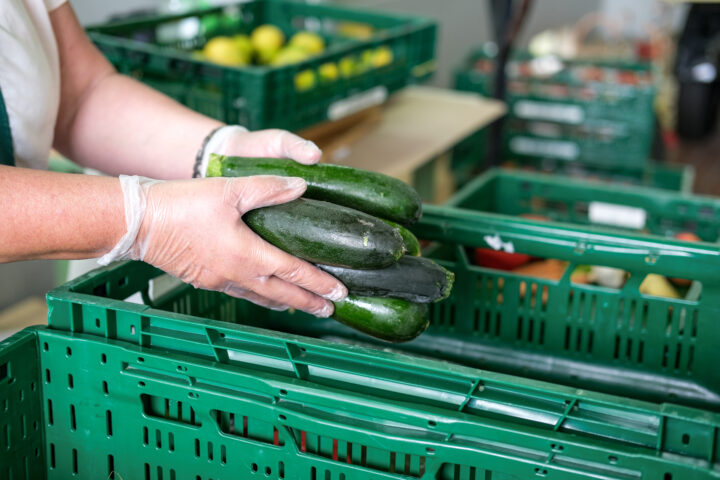
These chemicals are commonly called pesticides, meaning poisons against “pests”. From the plants’ point of view, we humans belong to that category. It is therefore no surprise that numerous ingredients of herbs, fruit and vegetables are also harmful to us: too much tofu, and the hormonally active components of soy disrupt our reproduction; its high calcium content leads to kidney stones. The green parts of potatoes or tomatoes can kill us, as can raw green beans. A year ago, a man in southern Germany died in agony from the bitter compounds of home-grown courgettes. They “cleansed” his body as thoroughly as drain cleaner cleans a toilet – in the end, no mucous membrane remained intact. They had found their way into the plant in a completely natural manner: courgettes grown from seeds purchased from a seed merchant are guaranteed to be free of bitter compounds, but when you propagate them yourself, these pesticides are quickly cross-bred back in and the courgettes become what they are by nature: poisonous plants that use bitter substances to ensure they are not eaten.
And what about smoothies?
Popular ingredients include spinach, kale, chard and rocket. Some recipes also recommend aloe vera, lime tree leaves and all kinds of wild herbs, from sorrel, chickweed and dandelion to sushni, gotu kola or mukunu-wenna. Avocado, apple and apricot pits are also recommended, as are pine needles (attention: do not dispose of Christmas trees, consume them!).
The first three are known for their high oxalic acid content, which is also found in parsley, beetroot, sorrel and rhubarb. In spinach, the very young and the very old leaves contain the most oxalic acid. Plants produce it to get rid of excess calcium. In the body, oxalic acid does the same thing: as a calcium thief, it deprives the metabolism of calcium needed for bone and tooth formation and forms insoluble calcium oxalate. If oxalic acid is consumed daily in larger quantities, oxalate accumulates in the kidneys in the form of grit or stones.
It is no coincidence that cabbage, spinach and chard are always cooked in grandmother’s cookbook – heating significantly reduces the oxalic acid content. But oxalic acid is not the only problem. Apple leaves contain alkaloids with exotic names such as phloridzin, sieboldin and trilobatin, which act as potent antibiotics. It is true that antibiotics preserve health (for example in infections), but no one should casually consume medicines for breakfast, and certainly not low-dose antibiotics. The first victim would be the gut flora, the first beneficiaries the pathogens that seize every opportunity to acquire new antibiotic resistances. It is undisputed that the green leaves of carrots also contain alkaloids – contradictory information exists, however, regarding their effects. While numerous recipes recommend pesto made from carrot greens, others warn against it and advise at least avoiding carrot tops if they taste bitter. Dandelion is mildly toxic, its milky sap somewhat more so. It can also trigger allergic reactions. Fruit pits contain hydrocyanic acid, and pine needles contain the terpenes limonene and pinene as well as their breakdown products isoprene and formaldehyde, against which Greenpeace warns when they off-gas from new furniture.
As a rule of thumb: bitter compounds are plant pesticides and always indicate that a food is potentially harmful. As always, everything depends on the dose.
Foods that are said to cleanse or detoxify the body are sheer nonsense, because no slags or waste products accumulate in the body, neither in the blood nor in tissues, cells or the intestines. Our body has very efficient mechanisms for removing waste products and excreting their residues – as urine, faeces or in the breath. The exceptions are plaques in blood vessels as well as kidney and gall stones. But no green smoothie dissolves those either.
Let us turn to antioxidants (chlorophyll and many vitamins are among them): they are considered “cancer prevention you can eat”, because they neutralise aggressive radicals. This sounds plausible, but numerous studies have shown that here, too, too much is unhealthy. The reason is that our body needs free radicals. It uses them to control metabolic processes in cells and employs them for immune defence, i.e. to eliminate pathogens and cancer cells. Blocking these natural processes with an excess of antioxidants harms performance and the immune system.
Conclusion: There is nothing wrong with occasional smoothies containing green plant parts, but anyone who consumes daily leaves that were not specifically bred for raw human consumption will likely develop kidney stones and, depending on the dose, leaf and stem, experience losses in performance and immune defence and incur stomach and intestinal complaints as well as liver problems.
If liquid food is absolutely necessary in the morning: all fruit and vegetables bred for raw human consumption are safe. Plants containing oxalic acid such as spinach, cabbage, chard or sorrel can occasionally be consumed raw. What should definitely be avoided are leaves and needles of trees and shrubs, because their ingredients are often poorly known or insufficiently studied. Under no circumstances do potato, tomato or aubergine greens, yew twigs, rhubarb leaves, raw green beans, ragwort (beware of confusion with rocket!) or popular garden plants such as hemlock, foxglove, ivy, monkshood, larkspur, buttercup or ferns belong in a breakfast drink (note: this list is incomplete!).
Anyone who truly wants to do something good for their health should eat a varied and diverse diet, avoid diets, exercise regularly and ideally read a good science book every month.
Author of the article: Ludger Weß, PhD in biochemistry and science journalist. As a profound expert in agricultural science research, he is committed to a fact-based debate on our nutrition, agricultural production, and new breeding technologies.
This article was first published by the Salonkolumnisten.
Kindly note:
We, a non-native editorial team value clear and faultless communication. At times we have to prioritize speed over perfection, utilizing tools, that are still learning.
We are deepL sorry for any observed stylistic or spelling errors.
Related articles
Is Organic More Sustainable?
Organic food is considered a prime example of sustainability – but in reality, it often ends up in the waste bin faster than conventional products. The omission of artificial preservatives and modern plant protection drastically shortens shelf life and leads to more food waste.
"Natural is healthy, chemicals are toxic."
Everything that occurs in nature is healthy and synthetically produced substances, i.e. "chemical" substances, are toxic. This myth is fundamentally wrong: There are many highly toxic substances in nature, and at the same time there are many synthetic substances that are absolutely harmless.
Future Foods: Sustainable, but also economically viable?
In the face of climate change, increasing pest pressure and a growing global population, agriculture is confronted with enormous challenges. To ensure long-term food security, new crops are gaining attention. A recent study highlights the potential of 30 “Future Foods” for Switzerland. However, success requires more than good intentions.
Myths about food production
Having the “right” diet is playing an increasingly more important role in the lives of a great many people. A healthy lifestyle has become a status symbol. Healthy foods and sustainable production methods have been the subject of many extremely emotional debates. A wide range of outdated ideas and myths have taken root in the minds of a large number of consumers. Below, we will take a look at some myths and their deconstruction.