


EU Agriculture Ministers Call for Greater Openness to “Gene Scissors”
The majority of agriculture ministers in the European Union see new plant breeding technologies as the key to strengthening food security. They are therefore calling for a reassessment of the rules governing the approval of new genetic engineering techniques. These new genetic engineering methods may also bring fresh impetus to attempts to combat food waste.
Monday, October 10, 2022
At an informal meeting in Prague, EU agriculture ministers discussed new plant breeding technologies such as CRISPR/Cas. The online portal “agrarheute” reports that numerous scientists explained the benefits of the new technologies for plant breeding in their presentations. For example, these technologies could hold great potential when it comes to breeding drought-resistant varieties. The agriculture ministers therefore agree that there is a need for some relaxation of the regulatory framework for plant breeding methods. The ministers are concerned that the restrictive legal situation within the EU could increasingly lead to a “brain drain”, i.e., the migration of researchers to other countries.
Strengthening Supply Security
The portal goes on to report that a new regulatory proposal on gene technology legislation can be expected in mid-2023 according to EU Agriculture Commissioner Janusz Wojciechowski. According to Czech agriculture minister Zdeněk Nekula, the Agriculture Council believes that the new breeding technologies will make a significant contribution to securing and safeguarding the food supply. The new technologies also represent a huge opportunity for smaller establishments in particular, as they are relatively easy to use and cost-effective. Another item on the agenda at this meeting of EU agriculture ministers was the fight against food waste. They believe that this is equally important in order to improve supply security. Of the four billion metric tons of food produced worldwide, around 1.3 billion metric tons is destined to end up as waste.
Fresh Impetus to Combat Food Waste
New plant breeding technologies such as the CRISPR/Cas gene scissors are also new weapons in combating food waste. In Switzerland, for example, around 20 percent of food losses occur in agriculture. The new breeding technologies could be used to make plants more resistant to pests, disease, or extreme weather, which would help to reduce food waste in the field. The breeding of more stable plants—with more robust branches, for example—could make a valuable contribution towards combating food waste. A team led by Lausanne-based researcher Sebastian Soyk used CRISPR/Cas to breed a tomato that detaches from the stem less quickly. This helps to prevent the fruit falling on the ground too early and spoiling.
Sources
Good to Know
From protection against pests and disease to protection against persistent rain, research into new applications for the CRISPR/Cas “gene scissors” is running at full speed. We have listed ten applications of new breeding technologies which will also be of interest to Swiss farmers.
Related articles
Unwanted Invaders: Why Pesticides Are Essential in the Fight Against Invasive Species
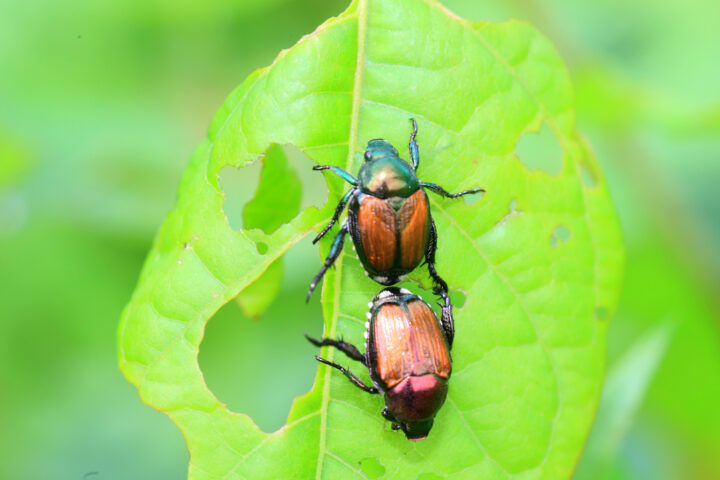
They are small, highly mobile and extremely persistent: invasive species are spreading increasingly across Switzerland. Whether it is the Japanese beetle, the Asian hornet or newly discovered ant species, these unwelcome guests threaten not only native ecosystems, but also agriculture and residential areas. There is an urgent need for pesticides – including biocides and plant protection products – to combat these pests effectively.
Gene Drive Against Malaria: Blessing or Ecological Gamble?
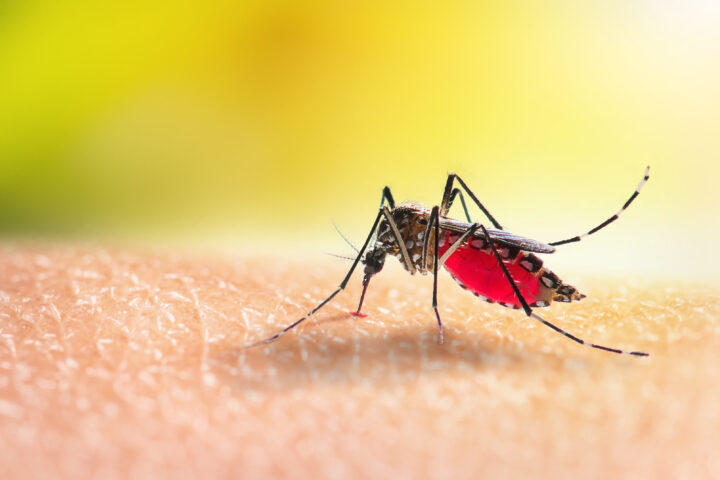
Diseases such as malaria claim hundreds of thousands of lives every year. With so-called gene drive technology, scientists now have a tool that could theoretically eradicate the mosquitoes that spread these diseases. Yet the approach raises profound ethical and ecological questions.

The bottleneck of hunger: How the crisis in the Gulf is shaking global markets
While heating oil prices in Switzerland are on a rollercoaster, a far greater catastrophe is looming elsewhere. The blockage of the Strait of Hormuz is not only cutting off oil supplies, but also disrupting the global lifeline for fertilizers – with devastating consequences for global food security.

New genomic techniques in plants: what gene editing can do – and what it (still) cannot do
With CRISPR/Cas technology, genetic material can now be modified more precisely and efficiently than ever before. In plant breeding in particular, these “gene scissors” raise high hopes: crops that are resistant to diseases and pests, can withstand drought, and at the same time deliver higher yields. But how realistic are these expectations? What can genome editing actually achieve today – and what progress can we expect in the near future?