


Unwanted Invaders: Why Pesticides Are Essential in the Fight Against Invasive Species
They are small, highly mobile and extremely persistent: invasive species are spreading increasingly across Switzerland. Whether it is the Japanese beetle, the Asian hornet or newly discovered ant species, these unwelcome guests threaten not only native ecosystems, but also agriculture and residential areas. There is an urgent need for pesticides – including biocides and plant protection products – to combat these pests effectively.
Tuesday, June 9, 2026
The current situation is a wake-up call: as various reports show, numerous invasive species are on the rise in Switzerland and pose a growing threat. In several regions of the country, invasive Tapinoma ants have been discovered, forming vast supercolonies that put pressure not only on buildings but also on local ecosystems. This was reported, among others, by “Zürioberland24”. At the same time, authorities are reporting a sharp increase in Asian hornet nests. The insect is spreading rapidly. The “Aargauer Zeitung” even speaks of “four times more nests” than in the previous year.
As in recent years, the Japanese beetle also continues to spread. The insect is making life increasingly difficult for winegrowers in Spiez, as reported by the “Berner Zeitung”. To further stop its spread, irrigation bans have already been imposed in affected areas.
Plant Protection Products and Biocides Are Indispensable
The fact that such species can establish themselves in Switzerland is a direct consequence of our globalised world. They “travel” with us – whether in private luggage, commercial goods or through the international plant trade. Since they often have no natural enemies in our region, they find ideal conditions here to reproduce unchecked.
The consequences for Switzerland are severe. The Asian hornet is decimating honeybee populations. The Japanese beetle feeds on meadows, gardens and agricultural crops. Invasive ants displace native species and severely disrupt ecological balance.
Combating invasive species is complex and often laborious. Once a population has become established, natural regulatory mechanisms are no longer sufficient. This is why authorities continue to rely on the active support of the public: sightings of Asian hornets should be reported. The Federal Office for Agriculture (FOAG) is also urging the public to remain vigilant through the campaign www.stop-japanese-beetle.ch: travellers are asked to carefully inspect vehicles and luggage before returning and remove any insects they find. Such measures have already helped keep the population in Ticino largely under control.
To effectively combat the Japanese beetle or the Asian hornet, we need modern plant protection products and biocides. Restrictions that prevent the use of these necessary tools play into the hands of invasive species and risk leaving us on the losing side in the long-term effort to preserve biodiversity.
Monitoring and Acting Instead of Standing By
Invasive species are a long-term challenge that is being accelerated further by climate change. To protect our agriculture and native ecosystems, we need pragmatic solutions instead of ideological blockades. Only through the consistent and professional use of modern plant protection products and control measures such as biocides can we effectively contain the spread of these pests and preserve biodiversity in the long run.
Invasive pests on the advance
Invasive pests pose a growing threat to Swiss agriculture and biodiversity. Global trade, climate change and tourism are bringing more and more alien species into Switzerland, where they cause considerable damage to cultivated and wild plants.
Examples include the Japanese beetle, which is spreading rapidly and endangering native crops, the chestnut gall wasp, the spotted wing drosophila or the Asian longhorned beetle. They are all causing increasing concern for farmers and conservationists. Protecting plants from these threats remains one of the greatest challenges of our time. Effective pesticides, practical control strategies and consistent monitoring are essential to contain the spread of these pests.
Kindly note:
We, a non-native editorial team value clear and faultless communication. At times we have to prioritize speed over perfection, utilizing tools, that are still learning.
We are deepL sorry for any observed stylistic or spelling errors.
Related articles

Invasive pests travel with us
Invasive pests and plant diseases are among the greatest challenges for biodiversity and agriculture. They often enter Switzerland via travel and imported goods and cause great damage to cultivated and wild plants. Since 2020, the import of plants from non-EU countries is prohibited. However, introduced pests are a worldwide problem.
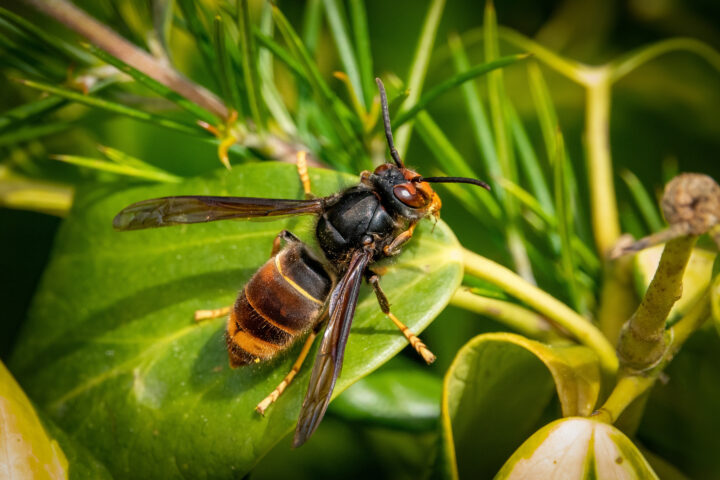
Asian hornet threatens native honey bee
More and more invasive pests are spreading in Switzerland. The most recent example is the Asian hornet, which poses a major threat to the native honey bee. But other invasive species also threaten agriculture and biodiversity. Control measures are many and varied. But pesticides (plant protection products and biocides) remain an important tool in the fight against the pests.

Pests increasingly threaten fruit, berry and grape harvests
Fruit, berry and wine growing is increasingly threatened by pests such as the Japanese beetle, the spotted wing drosophila and the Mediterranean fruit fly. Producers are sounding the alarm – but there is a lack of pesticides that can put an end to the pests.

Cheap Spanish Tomatoes Are a Thing of the Past – Now Innovation Is Needed
Fewer and fewer crop protection products, increasing pest pressure and retailers demanding low prices: Spain’s vegetable production is caught in a dilemma that also affects Switzerland. The only way out is through plant breeding and digitalisation.

Fertiliser crisis hits Europe – what about Switzerland?
The war in Iran is driving up fertiliser prices, and Europe is facing a potential supply gap. Switzerland remains calm for the moment – and with good reason.

Neither Left nor Right: Forward!
In climate, energy, and agricultural policy, beliefs often take precedence over facts. The American think tank The Breakthrough Institute demonstrates a different approach: embracing disagreement, evaluating technologies with an open mind, and viewing productivity as an ally of environmental protection.
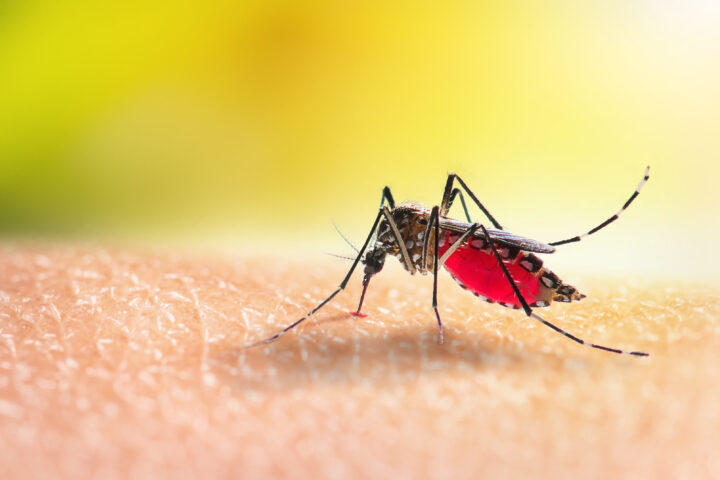
Gene Drive Against Malaria: Blessing or Ecological Gamble?
Diseases such as malaria claim hundreds of thousands of lives every year. With so-called gene drive technology, scientists now have a tool that could theoretically eradicate the mosquitoes that spread these diseases. Yet the approach raises profound ethical and ecological questions.