

The bottleneck of hunger: How the crisis in the Gulf is shaking global markets
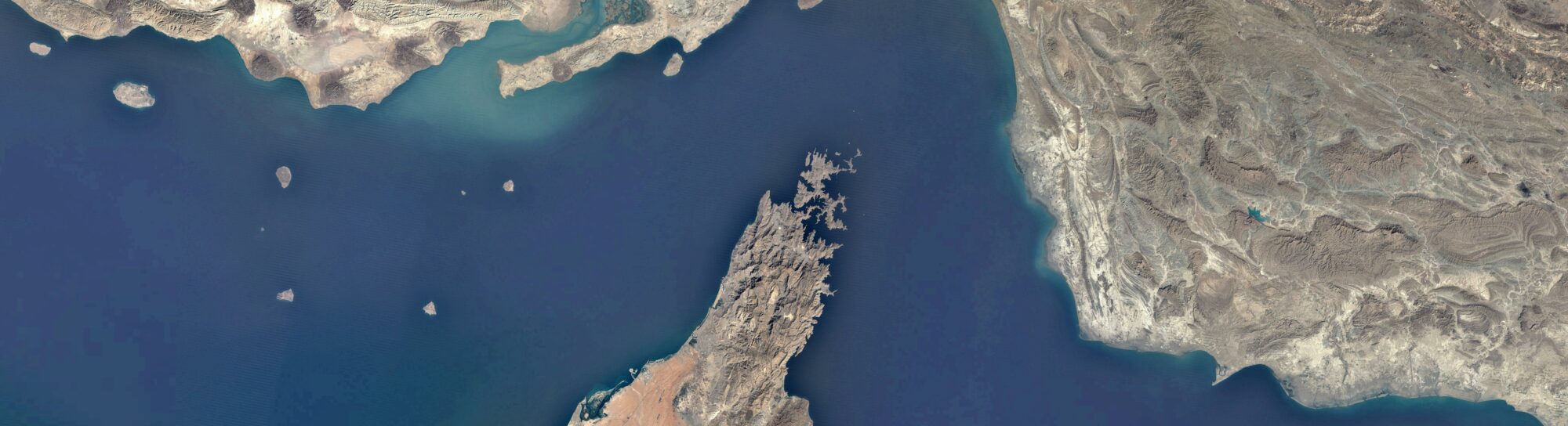
While heating oil prices in Switzerland are on a rollercoaster, a far greater catastrophe is looming elsewhere. The blockage of the Strait of Hormuz is not only cutting off oil supplies, but also disrupting the global lifeline for fertilizers – with devastating consequences for global food security.
Monday, April 27, 2026
For weeks, all eyes have been on the Strait of Hormuz. Are ships getting through? Will there be a total blockade or not? The situation remains unclear. Energy prices, however, paint a clearer picture. In Switzerland, heating oil prices hovered around 100 francs per 100 liters in February, surged to over 150 francs in early April, and have since settled around 130 francs toward the end of the month. While these fluctuations are already hitting consumers’ wallets, the Iran conflict has far more existential consequences in other parts of the world.
This is because the Strait of Hormuz is not only a bottleneck for the global oil market, but also for the availability of fertilizers. The Persian Gulf region is one of the world’s leading exporters of urea and phosphates – key building blocks for modern fertilizers. When passage through the strait is disrupted, global agriculture is directly affected, as a large share of fertilizer production depends on the region’s cheap natural gas, as reported by the Financial Times.
If this supply is cut off or transport costs rise significantly, global prices for nitrogen fertilizers soar. This has severe consequences for food production, particularly in poorer countries. The problem lies in the immediate dependence of crop yields on fertilizer use. If farmers in emerging economies can no longer afford nitrogen fertilizers, yields drop sharply – and prices for staple foods rise accordingly.
According to the United Nations, up to 45 million more people in poorer countries could face acute food insecurity by June. 'Food prices will definitely increase in the coming months, making it harder for many people worldwide to afford adequate and healthy diets,' said Matin Qaim, Director at the Center for Development Research at the University of Bonn, in an interview with 'Agrarzeitung'. The poorest populations in Africa and Asia will be hit hardest, as they already spend a large share of their income on food; hunger and malnutrition are likely to increase.
The UN Food and Agriculture Organization (FAO) is sounding the same alarm. It warns that a prolonged crisis in the strait could lead to a global food catastrophe. While 2025 was already a crisis year, the current conflict is pushing the number of affected people to an estimated 318 million. For aid organizations such as the World Food Programme, this creates a double burden: congested ports, longer routes, and rising fuel and food prices mean that aid must be strictly prioritized, as available supplies are no longer sufficient for all. The organization is thus facing an almost impossible ethical dilemma, as logistical bottlenecks and global inflation drastically limit the reach of humanitarian efforts. In practice, this means making tough choices – summarized by the World Food Programme as follows:
'We have to take food from the hungry to give to the starving.'
Sources
Kindly note:
We, a non-native editorial team value clear and faultless communication. At times we have to prioritize speed over perfection, utilizing tools, that are still learning.
We are deepL sorry for any observed stylistic or spelling errors.
Related articles
Global facts on world food and agriculture
Only thanks to technological progress and modern crop protection will we be able in the future to conserve our resources while feeding a growing population in a healthy and affordable way.

«The FOAG is abandoning productive agriculture»
Increasing pests, missing tools, growing bureaucracy – the farmers' criticism of the federal government is loud and clear. Swiss agriculture is at its limit, reports Blick. The demand: effective plant protection products are urgently needed again.

ESG reporting: little has been achieved apart from expenses
The ESG criteria (Environmental, Social, Governance) are intended to guide companies towards sustainable action and transparency. Companies have to invest considerable resources in complying with regulations and preparing reports. The workload is constantly increasing. For many companies, these requirements are an enormous bureaucratic burden – with little or no benefit for actual sustainability.
Legionella, Japanese beetles, and market turbulences: What are the consequences of the dry heatwave summer 2026?
How do persistent heat and drought in the summer of 2026 impact health, agriculture, and the economy? The summer of 2026 exemplifies how heat and dry conditions are becoming a threat across various areas: from cooling systems and livestock housing to crops and consumer wallets.

Unwanted Invaders: Why Pesticides Are Essential in the Fight Against Invasive Species
They are small, highly mobile and extremely persistent: invasive species are spreading increasingly across Switzerland. Whether it is the Japanese beetle, the Asian hornet or newly discovered ant species, these unwelcome guests threaten not only native ecosystems, but also agriculture and residential areas. There is an urgent need for pesticides – including biocides and plant protection products – to combat these pests effectively.

What can the CRISPR gene scissors do – and what not (yet)?
Since 2012, CRISPR/Cas has made it possible to alter plant DNA precisely, purposefully, and relatively cheaply. Applications ready for use today primarily include disease resistance, improved quality such as taste and nutritional value, and accelerated breeding. In contrast, complex traits like drought tolerance remain difficult because many genes are involved.

Cheap Spanish Tomatoes Are a Thing of the Past – Now Innovation Is Needed
Fewer and fewer crop protection products, increasing pest pressure and retailers demanding low prices: Spain’s vegetable production is caught in a dilemma that also affects Switzerland. The only way out is through plant breeding and digitalisation.