

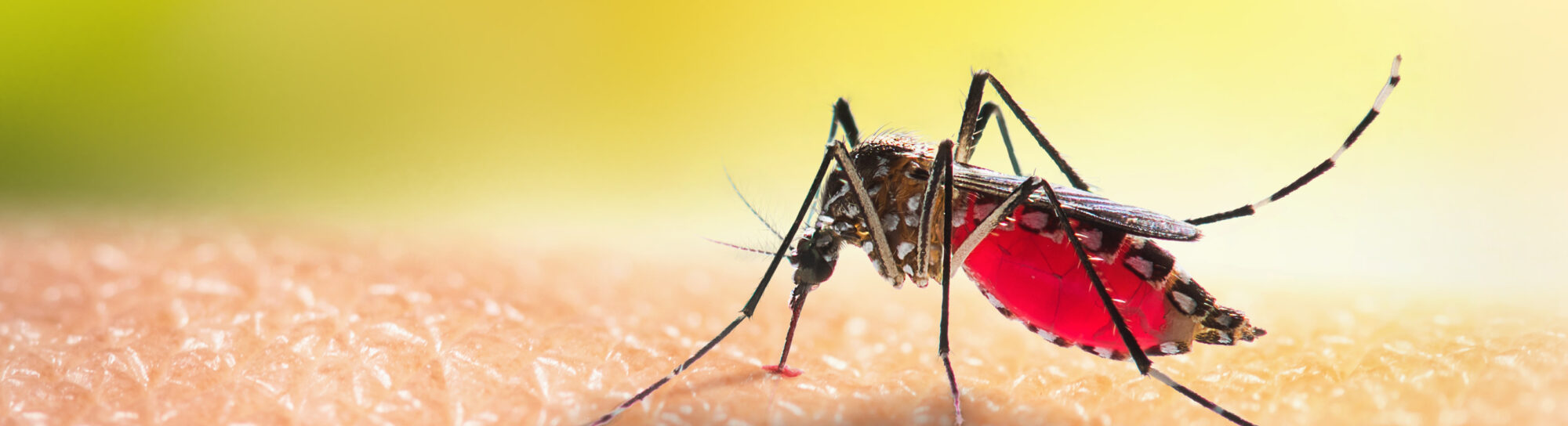
Gene Drive Against Malaria: Blessing or Ecological Gamble?
Diseases such as malaria claim hundreds of thousands of lives every year. With so-called gene drive technology, scientists now have a tool that could theoretically eradicate the mosquitoes that spread these diseases. Yet the approach raises profound ethical and ecological questions.
Published: 07.05.2026, 07:46
The vision sounds tempting: a world without malaria, without dengue fever, and without the torment of mosquito bites at night. Around 250 million people contract malaria every year, and more than 600,000 die from it – most of them children under the age of five. Against this backdrop, eradicating the Anopheles mosquito, which transmits the disease, can almost seem like a moral obligation. There is also a strong desire to move away entirely from DDT, which the WHO still recommends in places where no alternatives are available. Modern research now makes possible a far more effective intervention, as highlighted in an article by the NZZ. The magic word is gene drive.
Technologically, gene drives are based on the CRISPR/Cas gene-editing system. In agricultural plant breeding, genome editing using CRISPR/Cas has already become widespread in many countries in order to make crops more resistant to diseases or drought. Governments around the world generally regard the technology as safe. It is also considered more precise than conventional breeding methods, which often rely on untargeted mutagenesis – in other words, random genetic changes induced by radiation or chemicals. CRISPR/Cas enables scientists to alter desired traits in a targeted and controlled way and helps where traditional breeding methods reach their limits. For this reason, Switzerland has repeatedly approved field trials involving these beneficial genetic scissors.
Gene drive, however, uses CRISPR/Cas in a far more far-reaching way. The gene-editing mechanism is inserted into the organism’s DNA in such a way that it copies itself during reproduction and actively rewrites the genetic information of the mating partner. This turns the modification into a biological self-propagating system: the trait is passed on to almost 100 percent of offspring, regardless of which individuals the organism mates with.
While genome editing in plant breeding remains a controlled tool for targeted improvement, the long-term consequences of gene drives for entire wild populations and ecosystems are extremely difficult to predict. This prospect raises profound ecological concerns. Mosquitoes are far more than annoying bloodsuckers; they are an essential part of natural ecosystems. Their larvae act as a kind of environmental cleanup crew in aquatic systems, filtering organic material and helping to stabilize water quality. They also serve as an important food source for fish, birds, and bats. The complete disappearance of certain mosquito species could leave gaps in the food chain whose consequences we can barely foresee today.
Gene Drive “Light”
Beyond ecology, the ethical dimension lies at the center of the debate. Should humans have the right to decide that an entire species ought to disappear from the planet? Supporters point to the millions of human lives that could be saved and to the enormous economic relief such measures could bring to entire continents. Critics, on the other hand, warn of the irreversible loss of biodiversity and the risk that the ecological niche left behind could be filled by even more dangerous pathogens.
A less radical solution might involve targeting not the mosquito itself, but only its role as a disease vector, as the NZZ notes. Researchers are working on gene drives that strengthen the insects’ immune systems so that malaria parasites can no longer survive inside them. In this scenario, the mosquito would remain part of the ecosystem and continue to perform its ecological functions. It would still bite humans, but it would no longer be a deadly carrier of disease.
The canton of Ticino has also chosen a somewhat less invasive strategy to slow the spread of the Asian tiger mosquito, which can transmit dengue fever: releasing sterile male mosquitoes.
In any case, keeping an open mind about the opportunities these technologies may offer – and fostering a debate that considers not only the risks of using them, but also the risks of not using them – can be valuable, as emphasized in a fact sheet published by SCNAT Wissen.
Will Google eradicate dengue mosquitoes?
While the opportunities and risks of gene drives are still being debated, researchers are also focusing on other innovative approaches to combat disease vectors. Major corporations like Google are now also getting involved in curbing malaria, dengue, chikungunya, and Zika fever, as reported by the Tages-Anzeiger.
Specifically, the corporation plans to release 32 million mosquitoes into the wild in California and Florida through its project called "Debug." These are exclusively male insects that have previously been infected with the Wolbachia bacterium. Due to the bacterium, the males can no longer fertilize females. And that is exactly the crucial point: the males are released into the wild, attempt to mate with females – and fail. The result: the population shrinks.
From the corporation's perspective, this is a more targeted method for combating disease-carrying mosquitoes. The method has already been successfully tested in Singapore: according to Google, the large-scale release of sterilized mosquitoes reduced the yellow fever mosquito population by 80 to 90 percent. At the same time, the number of dengue cases fell by more than 70 percent.
Whether the planned field trial can be carried out in the USA remains to be seen. The US Environmental Protection Agency must first approve the project.
Sources
Kindly note:
We, a non-native editorial team value clear and faultless communication. At times we have to prioritize speed over perfection, utilizing tools, that are still learning.
We are deepL sorry for any observed stylistic or spelling errors.
Related articles
Invasive Species Play a Role in Species Extinction
The UN's Intergovernmental Science-Policy Platform on Biodiversity and Ecosystem Services (IPBES) has explored how invasive alien species contribute to species extinction. The report's findings are stark: Invasive alien species significantly threaten our natural environment, economy, food security, and health.

Genetic engineering? Yes, of course.
As a consumer, you often don't know: products advertised as GMO-free have long contained genetic engineering. This is a thorn in the side of opponents of genetic engineering. But it is easier to keep quiet about the ‘scandal’ – because something we have been eating for a long time no longer scares us.

‘No genetic engineering’ is simply not an option!
For years, politicians and environmental organisations have been stirring up unnecessary fears about a technology that has been helping to conserve resources and protect the environment for decades, while improving the quality and tolerability of food and cosmetics. It is time to put an end to this consumer deception.

Anti-Food Waste Banana
British biotech company Tropic has developed a banana using CRISPR/Cas gene editing that no longer turns brown. In the US, it is already on the market, while in England, it has passed the decisive regulatory hurdle. The same technology could also help save the world's most popular banana from extinction.
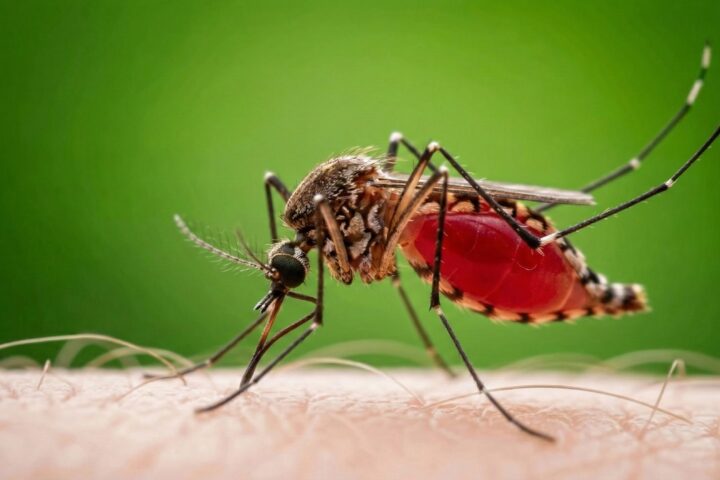
Asian Tiger Mosquito: Federal Government Implements Action Plan – But Insecticides Remain Taboo
Invasive species such as the Asian tiger mosquito are increasingly spreading across Switzerland. The federal government is sounding the alarm and wants to put a stop to the mosquito with a national action plan. However, the most effective measure is being left out: insecticides.

Record Heat 2026: Why Agriculture Needs Resilient Crop Varieties
Heat, drought, and hail took a heavy toll on Swiss farmers in 2026. In an interview with the NZZ, Adrian Aebi, head of Switzerland's largest crop insurer, warns: "If we carry on like this, agriculture will bleed dry." Looking to the future, there is an urgent need for resilient crop varieties that can withstand heat and dry conditions.
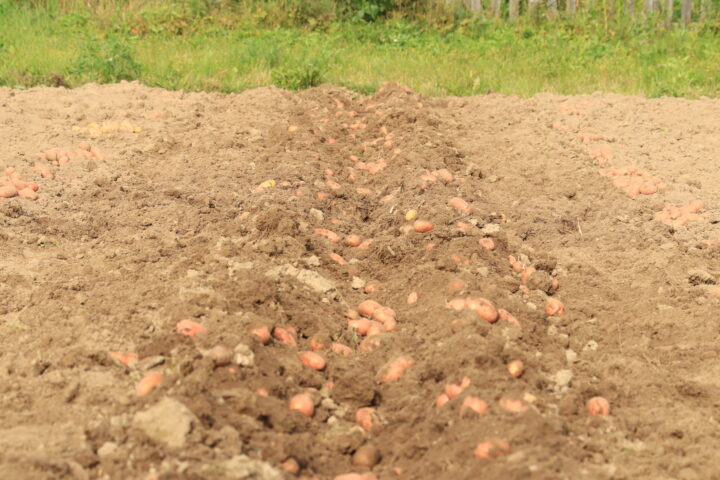
Record low potato harvest: Why is the Federal Council standing still?
The hot summer of 2026 caused the lowest potato harvest in Switzerland since records began a century ago. To secure domestic supply and build climate resilience, the agricultural sector is calling for swift access to new breeding technologies, which are already being authorized in the European Union. However, the Federal Council has delayed the corresponding draft legislation until 2027.