

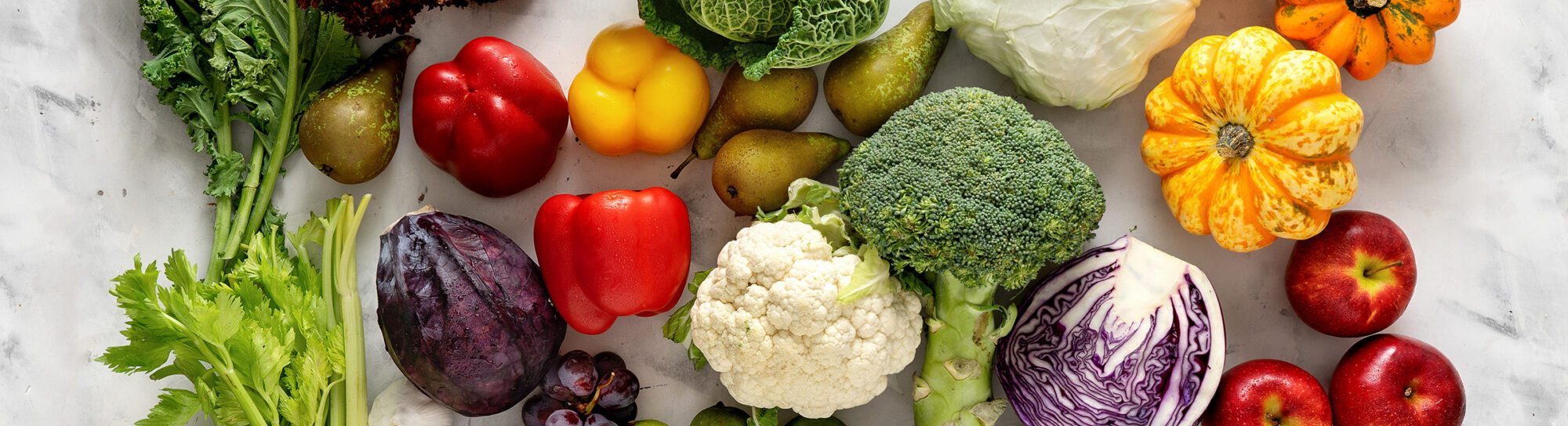
Combating food waste with packaging and preservatives
The longer food lasts, the less likely it is to be thrown away. Chemical procedures and packaging materials are vital for preserving food. In its online magazine, BASF examines how food preservation techniques have developed and explains the importance of chemicals are in combating food waste. Preservatives are an effective way of combating food waste.
Published: 27.01.2020, 00:00
In brief:
- Preserving food products is crucial for avoiding food waste.
- Chemical processes and a variety of packaging solutions play a decisive role here.
- The longer the products remain fresh, the less likely they are to go to waste.
Most foods only keep for a very short time. One of the reasons is bacteria that set the decomposition process in motion. Food then becomes unpalatable and can, in some cases, even be harmful to health. This is why thousands of years ago people developed ways of preserving foods to keep them fresh longer. They discovered that salt, wood smoke, and honey were excellent in protecting food from spoiling. The ancient Egyptians, for example, used honey to preserve their precious seeds as well.
Development of chemicals…
Over time, people developed more and more new procedures to prevent food from spoiling. In modern times, this has also included a variety of chemicals. The 18th century, for example, saw the use of organic carboxylic acids obtained from naturally occurring substances such as formic acid, saltpeter, salt, berries, and coal tar. Food preservatives using nitrates, sulfites, benzoates, and sorbates have been produced on an industrial scale since the late 19th century and are still in use today. Without chemical preservatives it would not be possible to supply consumers with fresh food throughout the year. For example, apples treated with the synthetic plant growth regulator 1-MCP can be stored for up to a year. Synthetically produced preservatives therefore prevent the spoilage of large quantities of food.
... and packaging
The food industry does not rely solely on chemically manufactured substances to keep food fresh for longer, and it also achieves very good results with packaging. In 1951, BASF developed polystyrene under the brand name Styropor®, which proved to be an ideal packaging material for perishable, chilled food products. Food can also be preserved by removing the air from packaging and replacing it with an inert gas mixture. This also slows down the ripening process in fruit. Packaging lengthens the shelf life of food products without the need for synthetically manufactured substances. This appeals particularly to people who want food that remains as natural as possible without the use of additives. The downside is the large quantity of plastic waste. For this reason, there is considerable research into developing organic, biodegradable alternatives. Whether packaging or preservatives, chemical research helps to keep food products fresh longer and to avoid food waste.
Sources
Related articles

A Contribution Spanning Generations
Food security begins long before the harvest. It begins with varieties that deliver yields, resist diseases and perform reliably under changing environmental conditions.

A Hint to Politicians, Delivered by Test Tube
Switzerland's top science prize goes to a researcher who helped develop the "gene scissors", a technology that has decisively advanced agriculture. While science has long since opened up new possibilities and the EU is moving ahead on regulation, Switzerland continues to dawdle.

Full Shelves – Of course! How Secure Is Our Supply Really?
Security of supply sounds like a shared goal. However, as soon as it comes to the path to get there, conflicts arise: between market and state, ecology and production, as well as self-sufficiency and international connectivity. The Agricultural Policy Podcast and swiss-food.ch explore the key dependencies and areas of tension surrounding supply security in a five-part series. The highlight will be a live podcast in front of an audience on November 5, 2026, at the Äusserer Stand (Hofcafé) in Bern.
Is Organic More Sustainable?
Organic food is considered a prime example of sustainability – but in reality, it often ends up in the waste bin faster than conventional products. The omission of artificial preservatives and modern plant protection drastically shortens shelf life and leads to more food waste.