

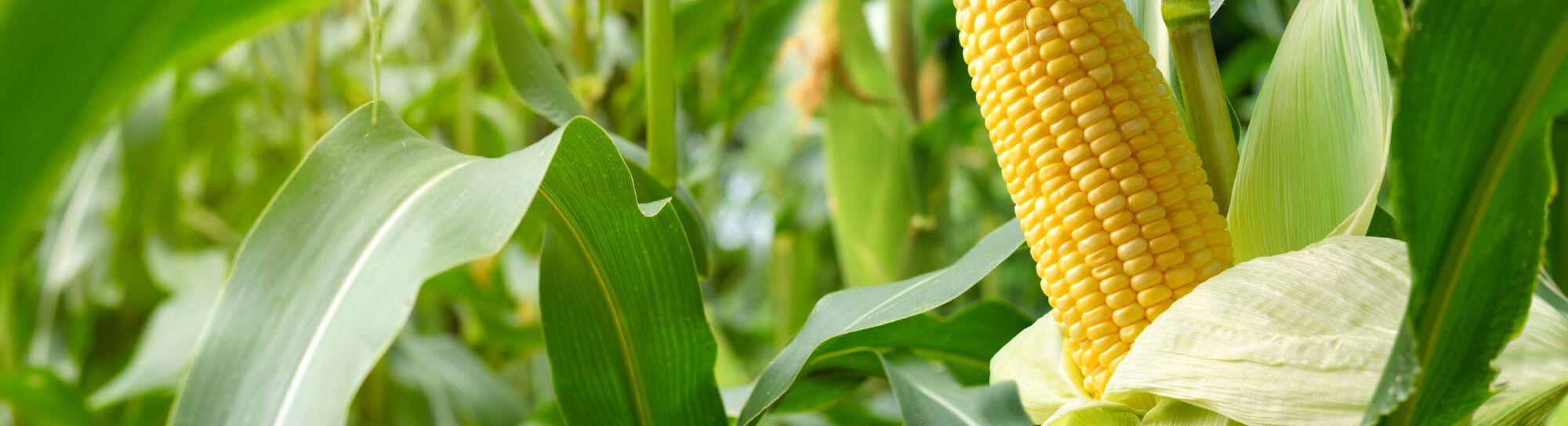
Agriculture between science and marketing
ORF's Eco Special examines the question of how plant breeding and genetic engineering work. The programme speaks plainly: All breeding is an intervention in the genes. Whether maize or carrots, ever since humans have been breeding, they have been changing the DNA of their seeds in order to produce plants with ever better properties. And products advertised as "GMO-free" have long since contained genetic engineering - even in organic products.
Published: 06.02.2024, 14:22 | Updated: 09.04.2025, 16:45
Nowhere in Europe is the negative attitude towards genetic engineering greater than in Austria. Scepticism towards science is also very pronounced in Austria. According to a Eurobarometer survey conducted in 2021, only 57 per cent of the population believe that science has a positive impact on our lives. Accordingly, ORF takes on the widespread but false narratives of opponents of genetic engineering.
An unpleasant truth for all those who reject genetic engineering
What consumers usually don't realise is that even products advertised as "GMO-free" have contained genetic engineering for decades. Even in organic products. This is because mutagenesis through irradiation or chemical mutation is "legally authorised genetic engineering" in the EU and Switzerland. In Austria, mutagenesis is carried out at the International Atomic Energy Institute. Pooja Mathur, Head of Plant Breeding IAEA Seibersdorf, told ORF that around 70 per cent of all currently registered plant varieties have been bred using mutagenesis. This technique has been used for 100 years and is considered safe because no one has ever been harmed by it. On the contrary: mutagenesis has made a decisive contribution to combating world hunger.
Genome editing is much more precise
Random mutagenesis intervenes much more strongly in the genome than the new breeding technologies. Genome editing without transgenic DNA is a gentler and more precise further development of classical mutagenesis. It makes it possible to make existing varieties more resistant to heat, fungi or pests through targeted, minor changes to the genetic material. New breeding technologies can also be used to transfer genes from the same gene pool (cisgene = within the species boundary) much more efficiently than is possible with conventional breeding. Read more here.
Nature or technology?
Ever since humans have been breeding, they have been changing the DNA of their seeds. "None of our current cultivated plants are even remotely similar to the wild plants that nature produced before humans," Ortrun Mittelsten-Scheid, molecular biologist at the Austrian Academy of Sciences, told ORF. The mutations triggered by new breeding technologies are identical to those that occur by chance in nature. On one hectare of a wheat field alone, 20 billion mutations occur by natural chance every year. This was also explained by Prof Detlef Weigel in the swiss-food talk in March 2022. The safety concerns of opponents are unfounded. The new breeding technologies are more precise than random mutations. "Any geneticist, scientist or breeder will tell you that", says Herrmann Bürstmayr, Head of the Institute for Plant Breeding at BOKU, to ORF. Nevertheless, labels such as "GMO-free" in Austria and Germany benefit from the supposedly natural image of the food. And earn a lot of money with naturalness marketing - the German label "GMO-free" appeared on products with a total turnover of 16 billion euros in 2022.
New breeding technologies are democratising breeding
The market concentration for seeds with genetically modified traits is significantly higher than for conventionally bred seeds. Due to the high regulatory costs, this market is almost exclusively dominated by large multinational companies that can afford the exorbitant authorisation costs and safety studies for genetically modified seeds in Europe. However, it is precisely the new breeding technologies that now harbour the opportunity to be accessible to smaller companies. Policy makers should therefore avoid unnecessary regulatory barriers to market access and facilitate efficient licensing of intellectual property, including for small breeding companies.
Facts about patenting
What simply occurs in nature can never be patented. Furthermore, contrary to what is often claimed, no plant species or varieties can be patented, only man-made technical inventions. In the case of plants, these are clearly defined novel genetic characteristics that have been produced by technical means ("in the laboratory") and which must be inventive and unique when measured against the state of the art. Swiss patent law also recognises a breeder's exemption, according to which breeding can also be carried out with material that contains patented material. A licence must only be acquired for the marketing of a new variety if the patented trait is used. More on this here.
Plant traits that have been developed through traditional breeding by crossing and recombination (so-called "essentially biological processes") can no longer be patented. Also, no natural traits from wild plants or old varieties can be patented (so-called "natural traits"). The "scandalous" examples mentioned by NGOs are mostly patents filed before 2017, when the legal situation in Europe was still different.
Sources
Kindly note:
We, a non-native editorial team value clear and faultless communication. At times we have to prioritize speed over perfection, utilizing tools, that are still learning.
We are deepL sorry for any observed stylistic or spelling errors.
Related articles
Asian Tiger Mosquito: Federal Government Implements Action Plan – But Insecticides Remain Taboo
Invasive species such as the Asian tiger mosquito are increasingly spreading across Switzerland. The federal government is sounding the alarm and wants to put a stop to the mosquito with a national action plan. However, the most effective measure is being left out: insecticides.

Record Heat 2026: Why Agriculture Needs Resilient Crop Varieties
Heat, drought, and hail took a heavy toll on Swiss farmers in 2026. In an interview with the NZZ, Adrian Aebi, head of Switzerland's largest crop insurer, warns: "If we carry on like this, agriculture will bleed dry." Looking to the future, there is an urgent need for resilient crop varieties that can withstand heat and dry conditions.
Record low potato harvest: Why is the Federal Council standing still?
The hot summer of 2026 caused the lowest potato harvest in Switzerland since records began a century ago. To secure domestic supply and build climate resilience, the agricultural sector is calling for swift access to new breeding technologies, which are already being authorized in the European Union. However, the Federal Council has delayed the corresponding draft legislation until 2027.

Legionella, Japanese beetles, and market turbulences: What are the consequences of the dry heatwave summer 2026?
How do persistent heat and drought in the summer of 2026 impact health, agriculture, and the economy? The summer of 2026 exemplifies how heat and dry conditions are becoming a threat across various areas: from cooling systems and livestock housing to crops and consumer wallets.