


Asian Tiger Mosquito: Federal Government Implements Action Plan – But Insecticides Remain Taboo
Invasive species such as the Asian tiger mosquito are increasingly spreading across Switzerland. The federal government is sounding the alarm and wants to put a stop to the mosquito with a national action plan. However, the most effective measure is being left out: insecticides.
Published: 02.10.2026, 12:36
In brief
- The Asian tiger mosquito is spreading rapidly in Switzerland – particularly heavily in Basel, Geneva, and Ticino, as well as in the meantime in southern Graubünden and Valais.
- The mosquito also bites during the day and can transmit tropical diseases such as the dengue virus, which has already been detected in a Basel tiger mosquito.
- The federal government is relying on a national action plan involving traps, public awareness campaigns, and public participation (e.g., emptying watering cans) to slow down the spread.
- Pest control in breeding sites within private gardens quickly reaches its limits.
- Effective control of the mosquito plague in towns and villages is not feasible without pest control products (biocides) and accelerated approval procedures.
Invasive species have been spreading in Switzerland for some time. One of them is the Asian tiger mosquito. Originating from Southeast Asia, this mosquito is considered particularly aggressive and, unlike native mosquitoes, also bites during the day. Furthermore, it can transmit tropical diseases such as the dengue virus.
Basel, Geneva, and Ticino: Rising reports and the spread of the dengue virus
Particularly in Basel, an increasing number of reports regarding the tiger mosquito plague are being received. In allotment gardens, the mosquito is breeding so intensely that associations are losing their first members, as SRF reported. The dengue virus was even detected in a tiger mosquito in Basel.
However, Geneva and Ticino are also immensely affected. According to the Federal Council, the mosquito is widespread across these three cantons. Meanwhile, according to the FOPH, it has also become established in southern Graubünden and Valais. Warm temperatures have accelerated this spread, among other factors. In Geneva, the tiger mosquito is spreading more strongly this year than ever before – partly due to the summer heatwave.
The Federal Government Relies on an Action Plan
To prevent further reproduction, the federal government is resorting to a national action plan, according to "SRF". This is intended to put a stop to the Asian tiger mosquito. Concretely, the federal government wants to achieve one main goal: to delay the domestic transmission of tropical diseases within Switzerland for as long as possible.
The focus is on areas where the insect has not yet established itself. Authorities, doctors, and the public are to be sensitized early on. An example is the canton of Uri: specialists are setting up traps there, such as near the Erstfeld railway station close to the Gotthard motorway. This is because the mosquito likes to travel as a hitchhiker in cars and trucks.
Once the tiger mosquito has settled, it is to be controlled. However, it cannot be stopped completely. Preventing its complete spread is utopian, says ecologist Klaudia Erndle to SRF. The goal is to slow down its expansion.
Emptying Watering Cans Against the Plague
The public plays an important role. Above all, people should avoid standing water. The tiger mosquito prefers to lay its eggs in small water accumulations such as rain barrels, flower pot saucers, or watering cans. The larvae develop there.
Anyone who regularly empties such containers is thus helping out. However, this has limits: most breeding sites are located in private gardens. On private property, control measures can quickly prove futile, according to SRF.
Why Biocides Are Essential
The tiger mosquito is spreading rapidly. At the same time, there is reluctance to use insecticides, which are substances that kill insects. In agriculture, forestry, and horticulture, they are used as plant protection products to control pests such as aphids, beetles, or caterpillars, thereby preventing yield and quality losses. The action plan relies on traps, public education, and the help of the population. That is correct, but it falls far short of being sufficient.
Even today, control does not work without active ingredients: ironically, the most recommended biological control agent against tiger mosquito larvae is based on the soil bacterium Bt. This is rejected by anti-GMO activist groups directed from Europe when it is beneficially built directly into, for example, eggplants in Asia to prevent insects from eating smallholders' crops. Conversely, when it is used as an insecticide in cities in Switzerland for personal protection, no one seems to care. The traps in Uri also kill the larvae using a larvicide. To effectively stop the mosquitoes in towns and villages, the targeted use of pest control products (biocides) capable of targeting adult mosquitoes remains indispensable. However, this requires the necessary authorizations from the authorities, as invasive species do not wait for bureaucratic decisions.
Tags: Tiger mosquito · Invasive species · Action plan · Health protection · Biocides · Dengue virus · Crop protection · Federal Council
About swiss-food.ch
swiss-food.ch is an information platform run by the research-based food and agricultural technology sector, bundling fact-based content on nutrition, agriculture, crop protection, and biotechnology. The articles are editorially prepared, and the sources used are linked within the text. The platform is supported by Syngenta and Bayer.
Why is the Asian tiger mosquito considered particularly dangerous in Switzerland?
The tiger mosquito bites aggressively during the day and can transmit severe tropical diseases such as the dengue virus, which has already been detected in a mosquito in Basel.
Which Swiss cantons are particularly affected by the infestation?
The mosquito is widespread in the cantons of Basel, Geneva, and Ticino. Furthermore, according to the FOPH, it has established itself in southern Graubünden and Valais.
What does the federal government's national action plan entail?
The plan focuses on sensitizing authorities, doctors, and the public, setting up traps at transport hubs, and implementing measures to prevent breeding sites.
What role does the population play in control efforts?
Residents are encouraged to regularly empty standing water in watering cans, rain barrels, or flower pot saucers to deprive the larvae of their breeding grounds.
Why do biological and mechanical control methods reach their limits?
Most breeding sites are located in private gardens. Since access there is restricted, purely mechanical control on private property quickly becomes futile.
Why is the industry demanding the use of biocides and plant protection products?
To effectively curb mosquito populations in cities, targeted pest control products are required. In addition, accelerated approval procedures for plant protection products are necessary to respond promptly.
Sources
Kindly note:
We, a non-native editorial team value clear and faultless communication. At times we have to prioritize speed over perfection, utilizing tools, that are still learning.
We are deepL sorry for any observed stylistic or spelling errors.
Related articles
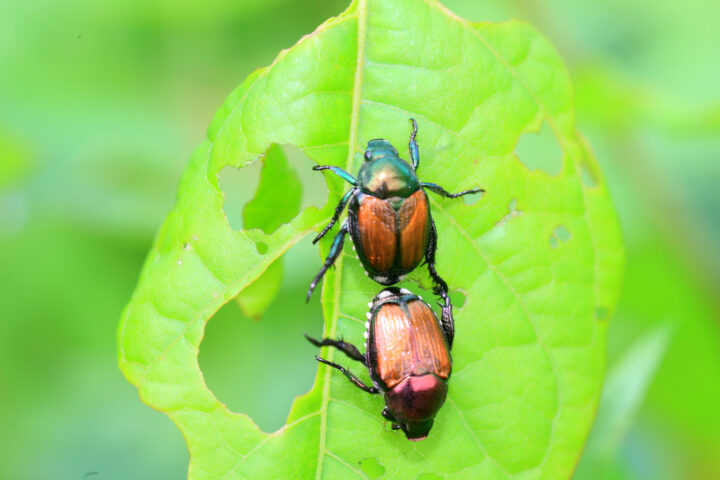
Unwanted Invaders: Why Pesticides Are Essential in the Fight Against Invasive Species
They are small, highly mobile and extremely persistent: invasive species are spreading increasingly across Switzerland. Whether it is the Japanese beetle, the Asian hornet or newly discovered ant species, these unwelcome guests threaten not only native ecosystems, but also agriculture and residential areas. There is an urgent need for pesticides – including biocides and plant protection products – to combat these pests effectively.
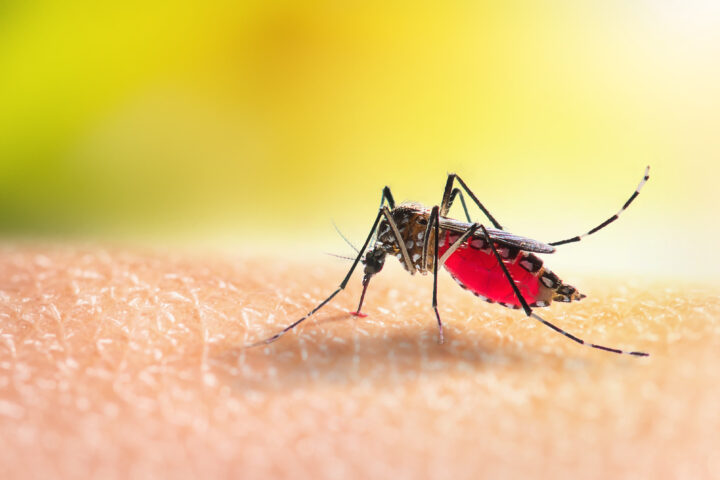
Gene Drive Against Malaria: Blessing or Ecological Gamble?
Diseases such as malaria claim hundreds of thousands of lives every year. With so-called gene drive technology, scientists now have a tool that could theoretically eradicate the mosquitoes that spread these diseases. Yet the approach raises profound ethical and ecological questions.

Legionella, Japanese beetles, and market turbulences: What are the consequences of the dry heatwave summer 2026?
How do persistent heat and drought in the summer of 2026 impact health, agriculture, and the economy? The summer of 2026 exemplifies how heat and dry conditions are becoming a threat across various areas: from cooling systems and livestock housing to crops and consumer wallets.

Anti-Food Waste Banana
British biotech company Tropic has developed a banana using CRISPR/Cas gene editing that no longer turns brown. In the US, it is already on the market, while in England, it has passed the decisive regulatory hurdle. The same technology could also help save the world's most popular banana from extinction.
Record Heat 2026: Why Agriculture Needs Resilient Crop Varieties
Heat, drought, and hail took a heavy toll on Swiss farmers in 2026. In an interview with the NZZ, Adrian Aebi, head of Switzerland's largest crop insurer, warns: "If we carry on like this, agriculture will bleed dry." Looking to the future, there is an urgent need for resilient crop varieties that can withstand heat and dry conditions.
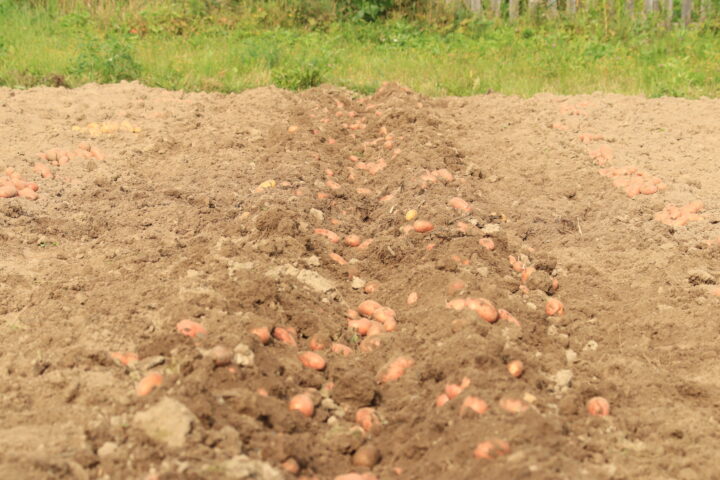
Record low potato harvest: Why is the Federal Council standing still?
The hot summer of 2026 caused the lowest potato harvest in Switzerland since records began a century ago. To secure domestic supply and build climate resilience, the agricultural sector is calling for swift access to new breeding technologies, which are already being authorized in the European Union. However, the Federal Council has delayed the corresponding draft legislation until 2027.
Legionella, Japanese beetles, and market turbulences: What are the consequences of the dry heatwave summer 2026?
How do persistent heat and drought in the summer of 2026 impact health, agriculture, and the economy? The summer of 2026 exemplifies how heat and dry conditions are becoming a threat across various areas: from cooling systems and livestock housing to crops and consumer wallets.