

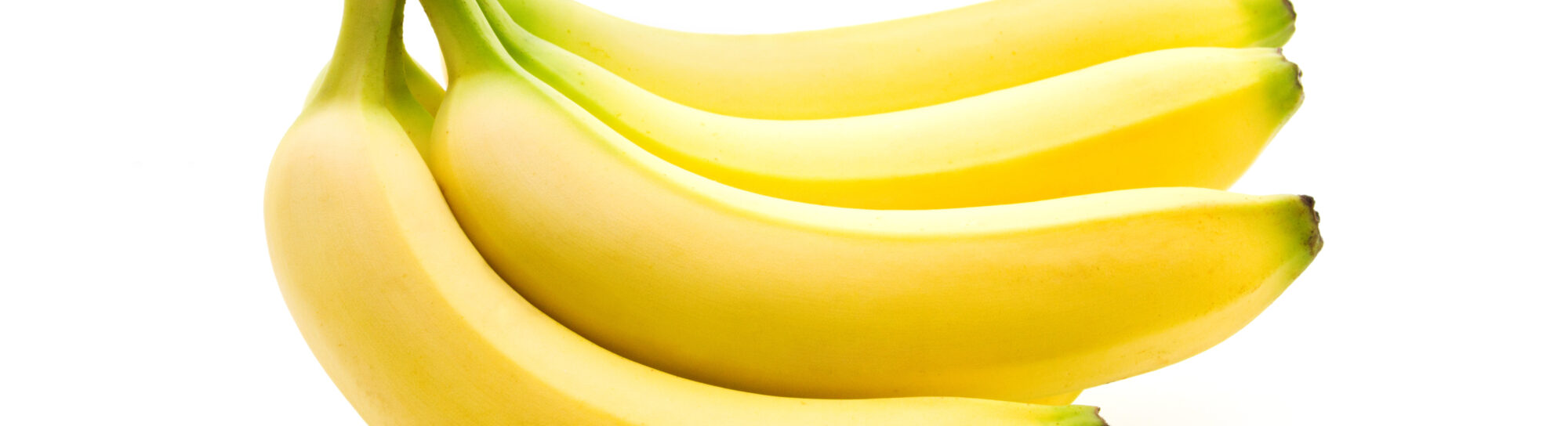
Anti-Food Waste Banana
British biotech company Tropic has developed a banana using CRISPR/Cas gene editing that no longer turns brown. In the US, it is already on the market, while in England, it has passed the decisive regulatory hurdle. The same technology could also help save the world's most popular banana from extinction.
Published: 07.10.2026, 13:29
In brief
- British biotech company Tropic used CRISPR/Cas to breed a banana that stays yellow for days even when sliced.
- In the US, the non-browning banana is already available; in England, it is officially classified as precision bred.
- Bananas are among Switzerland's favorite fruits: 79 million kilograms were sold in the country in 2025.
- Around one third of the bananas sold ends up in the trash – partly because they quickly turn brown and unappealing.
- The same precision breeding technology could also help save the world's most popular banana variety from extinction in the future.
Bananas are among Switzerland's favorite fruits: 79 million kilograms were sold in the country in 2025, as reported by NZZ. However, about one third ends up as waste – partly because the fruit quickly turns brown and unappealing.
Researchers at Tropic used gene editing to turn off the specific genes responsible for browning. The result: the banana stays yellow for several days even when sliced – a direct contribution to fighting food waste. In England, it is now officially recognized as "precision bred" and can enter the market. The difference from classic genetic engineering: no foreign DNA remains in the plant's genome.
Fungal Diseases Threaten Banana Plantations
Preventing food waste is a noble goal. Another threat is even more severe: a fungus known as Tropical Race 4 (TR4) has been spreading through the world's banana plantations since the 1990s. It attacks through the roots, killing the plant within months. There is currently no effective remedy against this source of food loss.
History has seen this before. For a long time, the Gros Michel variety – known as "Big Mike" – was the world's standard banana. Then an earlier strain of the fungus devastated plantations. By around 1960, it was over. Salvation arrived with the Cavendish, which was immune to the pathogen at the time. It remains the standard supermarket banana today.
Vulnerability of Cloned Cavendish Plants to Plant Diseases
Now, however, the Cavendish is also in danger. Its problem: it cannot be bred using traditional methods. The Cavendish is seedless, rendering it sterile. It is propagated exclusively through cuttings. Consequently, all Cavendish plants worldwide are genetically identical clones – and all equally susceptible to TR4.
This is where gene editing plays a crucial role. Using CRISPR, resistance genes from wild banana species can be introduced directly into the Cavendish. Australian researchers have already demonstrated that this approach works. Dutch plant pathologist Gert Kema, formerly of Wageningen University, also sees gene editing as a vital tool to accelerate the development of robust successor varieties. He considers the biggest obstacle to be consumer skepticism rather than laboratory science.
The EU Acts, Switzerland Sleeps
Why new breeding methods are so essential is explained by Carl-Stephan Schäfer, Managing Director of the German Plant Breeders' Association (BDP), in a guest article in Agrarzeitung. It often takes many years from the initial crossbreed to a finished variety. What is decided in breeding gardens today dictates which varieties will be available to farmers in ten or twenty years. New breeding techniques allow plants to be made more resilient to pests and diseases. According to Schäfer, the groundwork must be laid now.
How Genetic Engineering Secured Farmers' Livelihoods
In Hawaii during the 1990s, papaya yields dropped by more than half due to a virus. Only through years of research and the successful "vaccination" of the papaya with modified genes could local papaya production be saved. Scientific studies have also shown that consuming and cultivating the virus-resistant Rainbow Papaya caused no harmful effects. The genetically modified papaya is safe for both humans and the environment. Genetically modified papaya varieties are now approved in numerous countries.
swiss-food hosted a panel discussion on genome editing titled "Between Protest and Potential". The video can be accessed here. To understand the global opposition to green genetic engineering that fuels ongoing skepticism, one can watch the documentary "Food Evolution". The Rainbow Papaya is part of that story.
Especially in times of climate change and declining yields, new breeding technologies can revolutionize food security. The EU has recognized this potential as well. The European Parliament recently made history by clearing the way for precision plant breeding whose results are indistinguishable from conventionally bred plants (referred to as NGT-1). The goal: more resilient crops capable of withstanding heat and disease – without inserting foreign DNA.
And Switzerland? It remains dormant. To date, no genome-edited food product has received regulatory approval in the country. While precision-bred bananas are already on supermarket shelves in the US and England follows suit, Switzerland risks falling behind.
What New Breeding Methods Can Already Do – and Opportunities for Switzerland
Using CRISPR/Cas gene editing, the genome of plants can be targeted and altered without introducing foreign DNA. Researchers can disable individual genes or regulate their activity. This accelerates breeding: in wild tomatoes, knocking out six genes resulted in improved growth and increased flowering after just one generation. Hybrid seed production is also simplified. Furthermore, modifying a single gene is often sufficient to make a plant resistant to viruses, bacteria, or fungi. Thus, significantly fewer crop protection products could be needed. Mehr dazu
Robust varieties, also for Switzerland: Gene editing can also make existing popular varieties more resilient. Interesting applications for Switzerland include:
- Wheat that does not sprout prematurely during continuous rainfall
- Apple varieties like "Gala" or "Golden Delicious" with fire blight resistance
- Potatoes better protected against late blight
- Tomatoes with sturdier branches to prevent fruit from rotting on the ground
Global approvals: In the US, crops such as soybeans, canola, and mustard greens are approved. Japan already sells a gene-edited tomato and three fish species. In late 2024, China approved five varieties of wheat, corn, soybeans, and rice, while India approved two climate-resilient rice varieties in 2025. Large-scale cultivation, however, has not yet begun.
And Switzerland?
Parliament instructed the Federal Council to draft risk-based regulations for new breeding methods. Originally planned for early 2026, the proposal is now expected in the second half of 2027.
Tags: Banana · CRISPR/Cas · Gene editing · Precision breeding · Cavendish · Tropical Race 4 · Food waste · Genetic engineering
About swiss-food.ch
swiss-food.ch is an information platform run by the research-based food and agricultural technology sector, bundling fact-based content on nutrition, agriculture, crop protection, and biotechnology. The articles are editorially prepared, and the sources used are linked within the text. The platform is supported by Syngenta and Bayer.
Why does the newly developed banana no longer turn brown?
Researchers at the company Tropic used CRISPR/Cas gene editing to specifically disable the genes responsible for browning. As a result, the banana stays yellow for several days even after being sliced.
How does precision breeding differ from traditional genetic engineering?
In precision breeding using gene editing, the plant's own genome is targeted and modified without leaving any foreign DNA behind in the plant.
Why is today's standard supermarket banana threatened with extinction?
The currently dominant Cavendish variety is propagated asexually through cuttings. All plants are genetically identical clones and therefore lack defenses against the spreading Tropical Race 4 (TR4) fungus.
How does gene editing help fight the TR4 banana disease?
Using CRISPR/Cas, resistance genes from natural wild bananas can be introduced directly into the Cavendish genome to make it immune to the fungus.
How much food waste is generated by bananas in Switzerland?
In 2025, 79 million kilograms of bananas were sold in Switzerland. About one third of the fruit ends up in the trash, often because it quickly turns brown and unappealing.
Where is the non-browning banana already approved?
In the US, the genetically modified banana is already commercially available. In England, it has passed major regulatory hurdles as a precision bred crop.
Related articles

How NZT makes popular varieties more resilient
New breeding technologies offer solutions – but they are simply being ignored in the current debate. Anyone who complains about the lack of flavour in strawberries must also be prepared to accept modern methods such as genome editing.
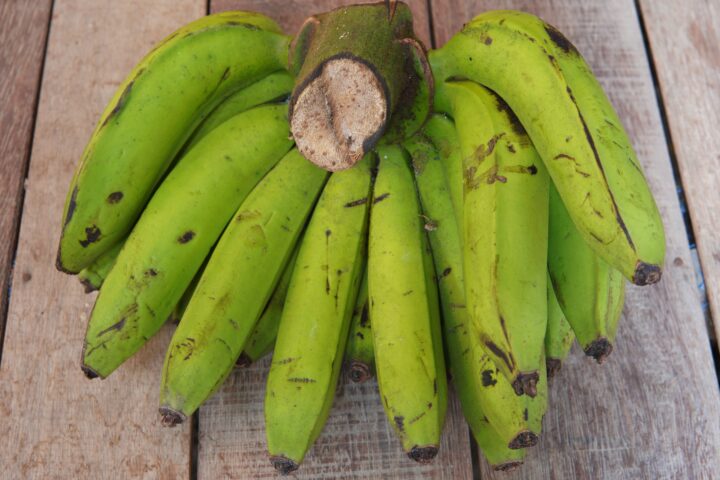
How genetic engineering is saving the Cavendish banana
The most popular banana variety - the so-called Cavendish banana - could soon disappear due to a persistent fungus. Australian researchers have developed a solution based on genetic engineering.
Why Strict GMO Regulation Stifles Innovation
New breeding techniques are considered key to developing resilient crops, stable yields and reducing the need for plant protection products. ETH professor Bruno Studer warns that overregulating these technologies strengthens precisely those large corporations that critics seek to curb, while excluding smaller breeders from the market.
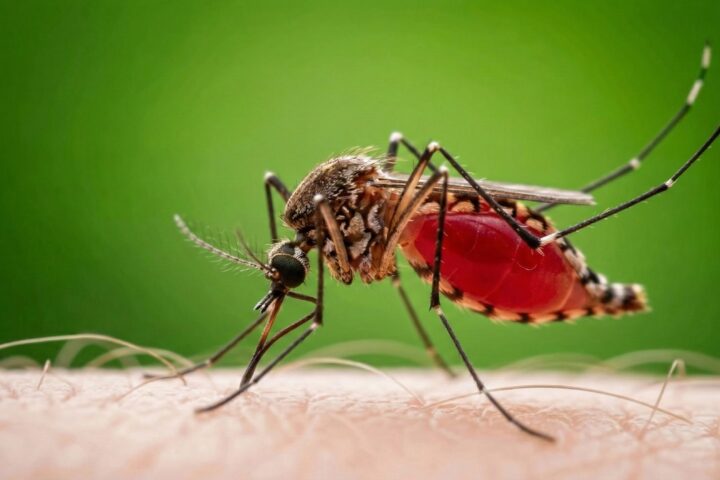
Asian Tiger Mosquito: Federal Government Implements Action Plan – But Insecticides Remain Taboo
Invasive species such as the Asian tiger mosquito are increasingly spreading across Switzerland. The federal government is sounding the alarm and wants to put a stop to the mosquito with a national action plan. However, the most effective measure is being left out: insecticides.

Record Heat 2026: Why Agriculture Needs Resilient Crop Varieties
Heat, drought, and hail took a heavy toll on Swiss farmers in 2026. In an interview with the NZZ, Adrian Aebi, head of Switzerland's largest crop insurer, warns: "If we carry on like this, agriculture will bleed dry." Looking to the future, there is an urgent need for resilient crop varieties that can withstand heat and dry conditions.
Record low potato harvest: Why is the Federal Council standing still?
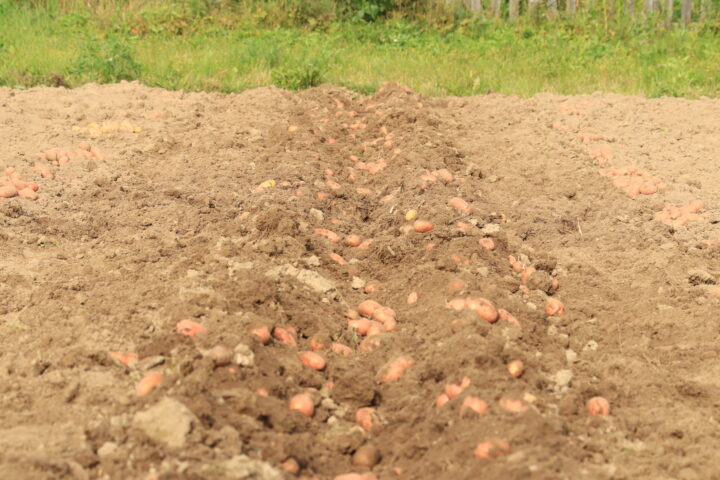
The hot summer of 2026 caused the lowest potato harvest in Switzerland since records began a century ago. To secure domestic supply and build climate resilience, the agricultural sector is calling for swift access to new breeding technologies, which are already being authorized in the European Union. However, the Federal Council has delayed the corresponding draft legislation until 2027.

Legionella, Japanese beetles, and market turbulences: What are the consequences of the dry heatwave summer 2026?
How do persistent heat and drought in the summer of 2026 impact health, agriculture, and the economy? The summer of 2026 exemplifies how heat and dry conditions are becoming a threat across various areas: from cooling systems and livestock housing to crops and consumer wallets.