

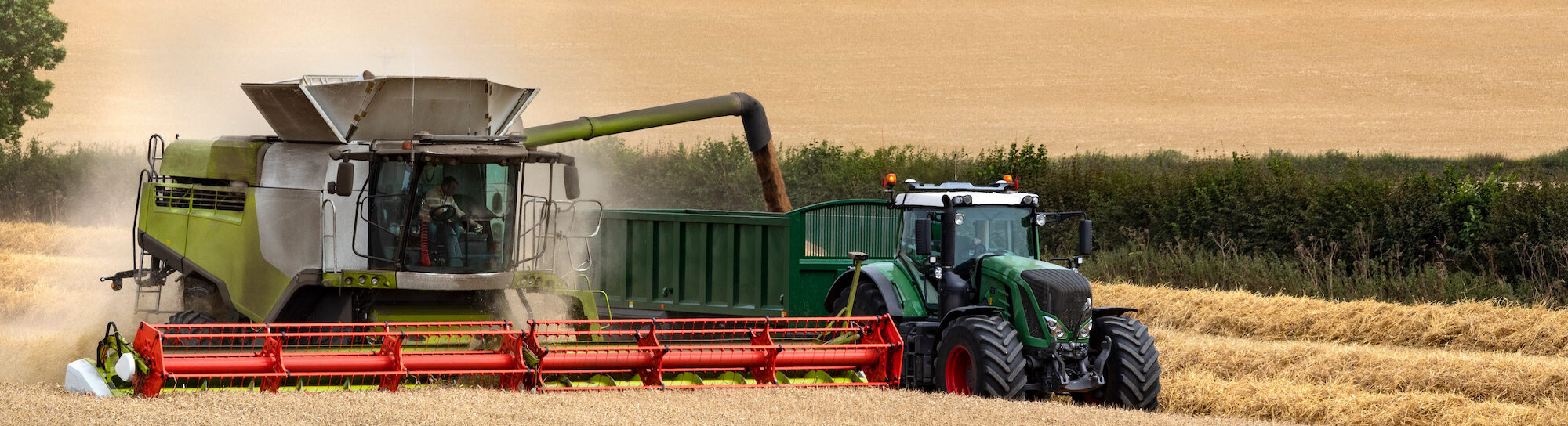
Genome editing: United Kingdom on its way to the top
The British Parliament is planning to pass a law that will provide new legislation for new breeding technologies, such as genome editing. This new legislation will pave the way for Great Britain to become a leading figure in agri-food research.
Tuesday, November 8, 2022
The “AgroPages” online portal reports on the change to the regulation of new breeding technologies in Great Britain. The introduction of a more proportionate and science-based regulatory system for precision breeding will unlock huge opportunities for agriculture. New breeding technologies, such as genome editing, allow crops to be bred that are more resistant to weather extremes and pests and therefore have a reduced need for plant protection products. British scientists are already world leaders in the field of precision breeding. The proposed bill will further strengthen the United Kingdom’s position and increase its attractiveness for research and development investment.
“A crucial time for agriculture”
The bill will allow plants that have been bred with the help of genome editing to be brought onto the market. These are plants that have undergone genetic changes that could also have occurred naturally or been achieved with conventional breeding methods. It does not apply to plants that have had genetic material from a different species inserted into them. The Chief Scientific Adviser of the Department for Environment, Food and Rural Affairs (Defra), Gideon Henderson, told “AgroPages”: “This is an important time for agricultural science. The ability to use gene editing to make precise, targeted changes to the genetic code of organisms, in a way that can mimic traditional breeding, enables development of new crop varieties that are more resistant to pests, healthier to eat, and more resilient to drought and heat as climate changes”.
Heat-resistant wheat
Essentially, genome editing does not do anything that nature could not do. For thousands of years, people have been selecting crops with desirable properties and breeding them further. However, the new breeding methods allow this process to take place much more quickly and more efficiently. The time needed to breed varieties with the desired properties can be reduced to a minimum. This is an enormous advantage, especially in view of the ongoing climate crisis, as time is running out. The change in the law gives us the opportunity to grow a variety of wheat that is more resistant to changing climatic conditions. Researchers at the John Innes Centre in Norwich have used genome editing to identify a key gene in wheat that can be used to introduce traits such as heat resilience whilst maintaining high yield.
Helping to combat food waste
Genome editing can also help to combat food waste by extending the shelf life of food. With the help of genome editing, British biotech company, Tropic, has grown a banana that does not turn brown. As the fruit normally spoils quickly, this will allow the number of bananas wasted to be reduced.
Sources
Related articles

Residue is not the same as residue
Painkillers like Voltaren are a blessing for us – yet in our rivers they can harm fish. If these were crop protection products, calls for bans would be immediate. It becomes clear that we are applying double standards.
ARTE documentary: Genetic engineering in organic farming?
The ARTE documentary “Genetic engineering in organic farming?” examines key controversial questions of modern agriculture: Is the general exclusion of new breeding technologies still up to date? Can the resistance of organic farming be justified scientifically?
The Great Suffering of Farmers
Fire blight, Japanese beetles, or grapevine yellows – farmers in Valais, too, are increasingly feeling helpless in the face of the threats posed by nature. More and more often, they lack the means to effectively protect their crops. This makes it all the more important for the Federal Council to place a pragmatic balancing of interests at the forefront when setting threshold values.
'Tomatoes on your eyes'
The submitted “Food Protection Initiative” calls for “GMO-free food.” Leaving aside this illusory demand, its adoption would mean more bureaucracy, more trade barriers, and less innovation. The Swiss Farmers’ Union describes the proposal as “unnecessary” and warns of a setback to the goal of achieving an even more sustainable agriculture.