


Residue is not the same as residue
Painkillers like Voltaren are a blessing for us – yet in our rivers they can harm fish. If these were crop protection products, calls for bans would be immediate. It becomes clear that we are applying double standards.
Published: 02.03.2026, 12:46
Back pain? A stiff neck? A dip in the River Aare might help – at least in theory. As reported by the Argauer Zeitung, around a quarter of a tonne of diclofenac flows into the river each year near Brugg.
Diclofenac is the active ingredient that relieves pain for many sufferers, day and night. It has analgesic, anti-inflammatory and fever-reducing properties and is found in well-known products such as Voltaren, Ecofenac and Flector.
For us humans, it is a blessing. A brief swim in the Aare would hardly have any effect, however. For other living organisms, the concentration in the river can be problematic. According to the Swiss water research institute Eawag, diclofenac can damage the liver, kidneys and gills of fish.
According to Eawag, diclofenac is the only chemical substance that regularly exceeds the legal limit at the lowest monitoring station on the Aare. The highest concentrations occur in winter – not because more painkillers are consumed, but because sunlight, which breaks down the active substance, is lacking.
The cantons are responding. Wastewater treatment plants equipped with an additional treatment stage to remove micropollutants can largely filter diclofenac from wastewater. In the canton of Aargau, two plants are already equipped accordingly, and at least five more are to follow by 2035. There are currently 41 municipal wastewater treatment plants in the canton.
Until the upgrades are completed, simple behavioural measures can help. After applying pain relief cream, hands should first be wiped with paper and the paper disposed of in the waste bin. Wipe first, then wash – that is the rule to reduce diclofenac concentrations in water bodies.
It is striking how differently risks are assessed. Farmers applying crop protection products are under constant scrutiny. As soon as residues are detected in water, calls for bans arise. At the same time, agriculture has long-established methods to minimise risks: precision nozzles that reduce spray drift by up to 95%, dedicated washing areas for spraying equipment, covering field drains, planting crops across slopes, and hedges along waterways to reduce runoff. All these measures are part of good agricultural practice and help minimise residues.
The situation looks very different for us. Anyone applying Voltaren to their elbow may at most be advised to wipe their hands with a paper towel afterwards – no one calls for a ban.
Lothar Aicher from SCAHT sums up this schizophrenia: people tend to perceive risks as lower when they personally benefit from them.
Many people fail to see the benefits of crop protection products, although we would immediately feel the consequences of their absence. A 50% reduction in their use would lead to yield losses of up to 30% in certain crops, according to studies. A 2019 study by the European Parliamentary Research Services points to even more drastic figures and consequences: increased land use and prices, and declining food quality. Not only the concerns of those directly affected – farmers – but numerous studies underline the economic and ecological importance of these products. Yet this remains abstract, distant and complex.
A painful back or stiff neck in the morning, by contrast, is very concrete and immediate. One thing is certain: the calm tone with which the media report on pharmaceuticals in our waters would also be welcome in the debate on crop protection.
Life Leaves Residues – and They Show Up in Our Water
Contrary to popular belief, agriculture is not the only source of pollution in our waters – many residues stem directly from everyday life. Active substances such as fipronil, found in tick and flea treatments for dogs and cats, enter rivers and lakes via wastewater. Cleaning agents and detergents also leave traces when we clean or do the laundry.
Cigarettes are particularly problematic: around 75% are carelessly discarded and contain toxic substances such as arsenic, lead, cadmium, ammonia and formaldehyde, which pollute soils and water bodies.
Life leaves residues – and the substances detected in water and soils ultimately reflect our daily lives. An honest discussion about environmental contamination places responsibility on all of us. And often, small actions can make a difference. Properly disposing of a cigarette butt would be a good start.
Sources
Kindly note:
We, a non-native editorial team value clear and faultless communication. At times we have to prioritize speed over perfection, utilizing tools, that are still learning.
We are deepL sorry for any observed stylistic or spelling errors.
Related articles

Residues, thresholds, trust – looking calmly behind the headlines
In this conversation with toxicologist Lothar Aicher, the discussion focuses on how residues enter the body, how their potential harm is assessed, and what role modern analytical methods play.

Natural is naturally dangerous – Why the plant's own poisons are underestimated
Many believe that natural foods are safer than those with synthetic pesticides. But plants produce their own poisons – and these are often just as risky. While artificial residues are regulated, natural defences are largely ignored. A fallacy, as scientist Bruce Ames shows.

‘There is no such thing as chemical-free food – there never has been and there never will be’
Chemical residues in our food are a hotly debated topic in the media time and again. A glance at Austria shows that it is an illusion to believe that residue-free food production is possible. This is because residues come from both natural and synthetic sources. And the same applies to all of them: it is the quantity that makes the poison.
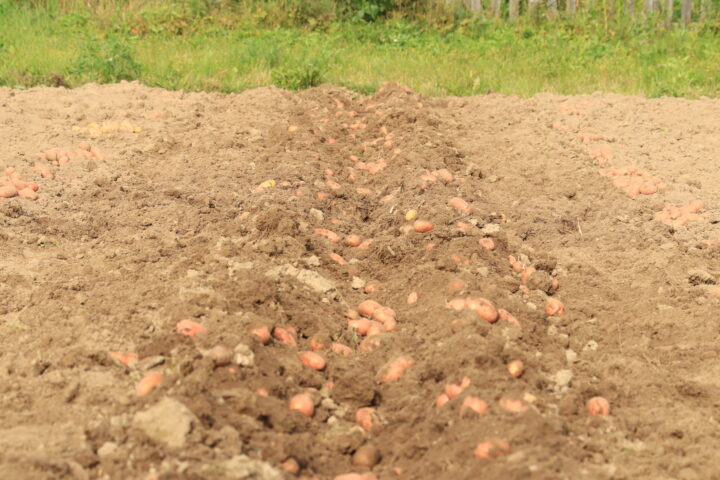
Record low potato harvest: Why is the Federal Council standing still?
The hot summer of 2026 caused the lowest potato harvest in Switzerland since records began a century ago. To secure domestic supply and build climate resilience, the agricultural sector is calling for swift access to new breeding technologies, which are already being authorized in the European Union. However, the Federal Council has delayed the corresponding draft legislation until 2027.
Legionella, Japanese beetles, and market turbulences: What are the consequences of the dry heatwave summer 2026?
How do persistent heat and drought in the summer of 2026 impact health, agriculture, and the economy? The summer of 2026 exemplifies how heat and dry conditions are becoming a threat across various areas: from cooling systems and livestock housing to crops and consumer wallets.
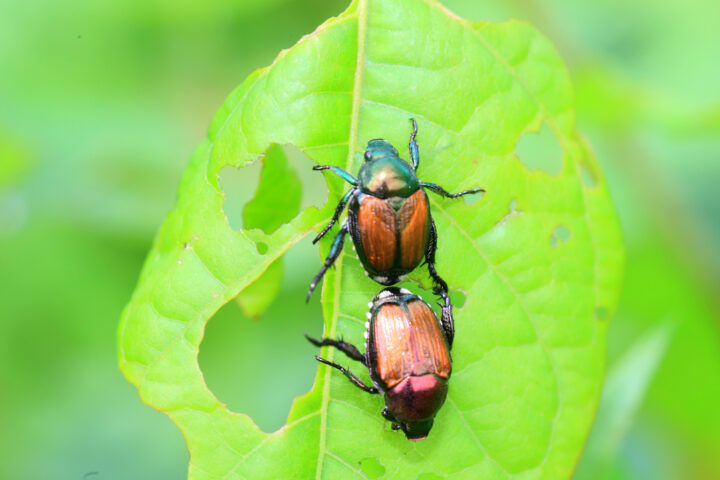
Unwanted Invaders: Why Pesticides Are Essential in the Fight Against Invasive Species
They are small, highly mobile and extremely persistent: invasive species are spreading increasingly across Switzerland. Whether it is the Japanese beetle, the Asian hornet or newly discovered ant species, these unwelcome guests threaten not only native ecosystems, but also agriculture and residential areas. There is an urgent need for pesticides – including biocides and plant protection products – to combat these pests effectively.

What can the CRISPR gene scissors do – and what not (yet)?
Since 2012, CRISPR/Cas has made it possible to alter plant DNA precisely, purposefully, and relatively cheaply. Applications ready for use today primarily include disease resistance, improved quality such as taste and nutritional value, and accelerated breeding. In contrast, complex traits like drought tolerance remain difficult because many genes are involved.