


'Tomatoes on your eyes'
The submitted “Food Protection Initiative” calls for “GMO-free food.” Leaving aside this illusory demand, its adoption would mean more bureaucracy, more trade barriers, and less innovation. The Swiss Farmers’ Union describes the proposal as “unnecessary” and warns of a setback to the goal of achieving an even more sustainable agriculture.
Published: 26.02.2026, 19:28
Adorned with an oversized tomato, the initiators of the popular initiative “For a GMO-Free Agriculture” officially submitted their proposal in Bern. The initiative demands strict labeling requirements for all forms of genetic engineering. In addition, all genetic interventions in plants, animals, and microorganisms would be subject to comprehensive risk assessment.
What may sound like transparency would have far-reaching consequences. Modern breeding methods would effectively be blocked. A flood of new labels and additional bureaucracy would also loom.
The Initiators Seem to Have Tomatoes in Front of Their Eyes
Genetic engineering has long been part of our plates and our lives. We would now have to label what has long been taken for granted. Many of our foods were developed through classical mutagenesis or genetic engineering techniques. This applies to more than 3,000 varieties. Even organic shelves contain such varieties. Yet the initiators insist on labeling.
Mutations are an integral part of our daily lives. Almost everything we eat has arisen through mutations. Without them, there would be no seedless grapes, no sweet almonds, and no high-yielding corn. However, the initiative suggests that genetic interventions are fundamentally new and dangerous. This does not reflect scientific facts.
New Breeding Is Not Conventional Genetic Engineering
The initiators treat new breeding techniques as if they were conventional genetically modified organisms. Yet modern methods such as genome editing differ fundamentally: they enable targeted, precise changes to genetic material—usually without inserting foreign genes. Genome editing can do what nature does anyway—only faster and more precisely.
“The difference is significant,” says Sandra Helfenstein of the Swiss Farmers’ Union in Schweizer Bauer. In light of climate change and increasing sustainability requirements, openness toward new technologies is essential. For the Farmers’ Union, it is therefore clear: the initiative is “unnecessary.”
Switzerland Risks Falling Further Behind
Ironically, the tomato itself demonstrates the potential of new breeding technologies. A report by the Swiss Academies of Arts and Sciences lists numerous examples: tomatoes can be made more resistant to diseases such as the Jordan virus. They can be better adapted to heat, drought, or heavy rainfall. Flavor can also be specifically improved.
New breeding methods also help reduce the use of plant protection products. A representative survey shows that a large majority of the population supports new breeding technologies.
The Federal Council is currently working on its own regulatory framework for new breeding techniques, aiming for a practical and internationally harmonized solution.
According to the Farmers’ Union, Switzerland depends heavily on foreign seed for many crops. “The regulation should not diverge significantly from that of the EU,” emphasizes Sandra Helfenstein. Meanwhile, the EU is on the verge of adopting significant deregulation of new breeding techniques. A “yes” to the Food Protection Initiative would push Switzerland even further behind.
Sustainability Requires Progress
Modern agriculture needs innovation. New breeding methods help secure yields, use resources more efficiently, and apply crop protection more precisely.
Anyone who takes sustainability seriously must not block scientifically assessed technologies for ideological reasons. Standing still is not an option for an agriculture facing major challenges.
The GMO-Free Myth
Martina Munz, co-initiator of the popular initiative “For GMO-Free Food (Food Protection Initiative),” made her position clear at the Migros Consumer Conference: “From my perspective, mutagenesis is genetic engineering and should be regulated as such.”
Accordingly, classical mutagenesis should also be declared as genetic engineering. For staunch opponents of genetic engineering, even this “permitted genetic engineering” is unacceptable. In fact, the wording of the initiative follows precisely the definition used by the European Court of Justice and interpreted by Swiss authorities: “Genetically modified organisms are organisms whose genetic material has been altered in a way that does not occur naturally by mating and/or natural recombination.”
Thus, the initiative calls for labeling all GMOs—including those derived from classical mutagenesis.
However, classical mutagenesis through radiation or chemicals has hardly featured in high-profile anti-GMO campaigns. It is easier to leave that “scandal” unmentioned. After all, something that is also used in organic breeding and has been consumed for decades no longer inspires fear. In reality, it may prove difficult to win majority support for labeling thousands of well-established food products as GMOs—or even marking them with radioactive or chemical warning symbols.
Kindly note:
We, a non-native editorial team value clear and faultless communication. At times we have to prioritize speed over perfection, utilizing tools, that are still learning.
We are deepL sorry for any observed stylistic or spelling errors.
Related articles
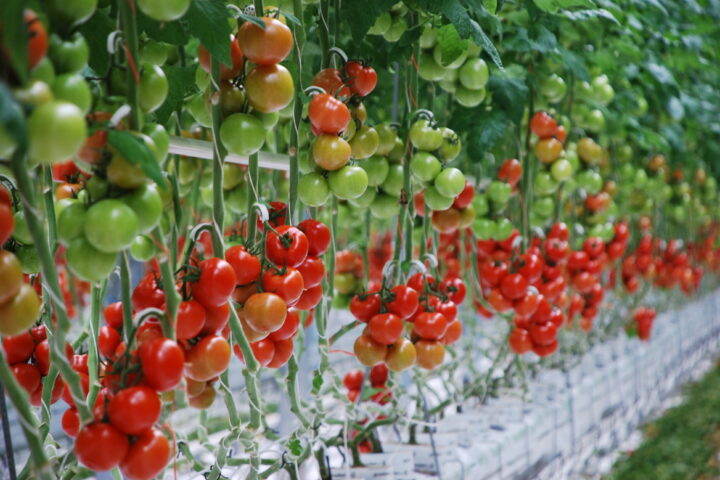
On the way to the optimal tomato
Whether as juice on a plane, pureed on a pizza or sliced on a sandwich, tomatoes are on everyone's lips. How the tomato variety comes about and how the tomato of the future tastes is shown in an article from the German "Lebensmittelmagazin".

Genetic engineering? Yes, of course.
As a consumer, you often don't know: products advertised as GMO-free have long contained genetic engineering. This is a thorn in the side of opponents of genetic engineering. But it is easier to keep quiet about the ‘scandal’ – because something we have been eating for a long time no longer scares us.

‘No genetic engineering’ is simply not an option!
For years, politicians and environmental organisations have been stirring up unnecessary fears about a technology that has been helping to conserve resources and protect the environment for decades, while improving the quality and tolerability of food and cosmetics. It is time to put an end to this consumer deception.
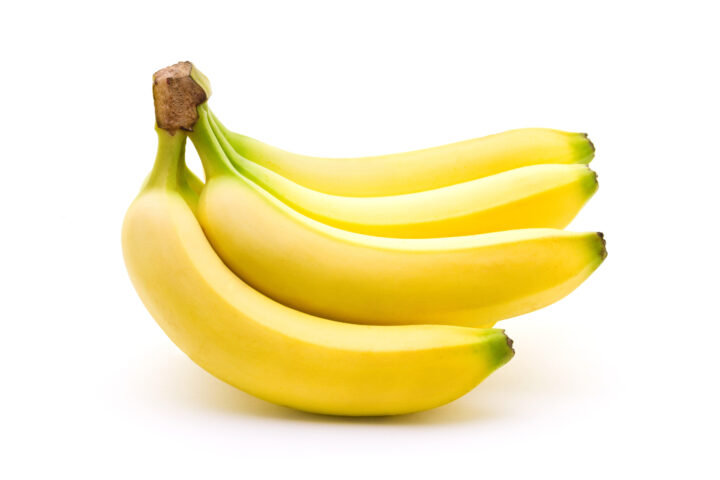
Anti-Food Waste Banana
British biotech company Tropic has developed a banana using CRISPR/Cas gene editing that no longer turns brown. In the US, it is already on the market, while in England, it has passed the decisive regulatory hurdle. The same technology could also help save the world's most popular banana from extinction.
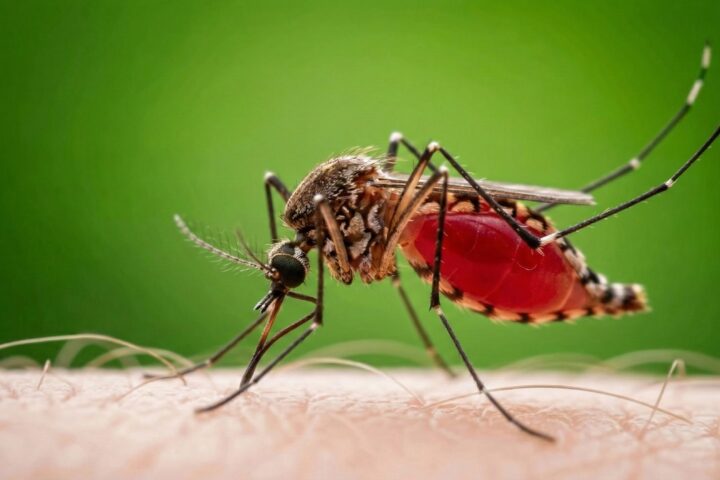
Asian Tiger Mosquito: Federal Government Implements Action Plan – But Insecticides Remain Taboo
Invasive species such as the Asian tiger mosquito are increasingly spreading across Switzerland. The federal government is sounding the alarm and wants to put a stop to the mosquito with a national action plan. However, the most effective measure is being left out: insecticides.

Record Heat 2026: Why Agriculture Needs Resilient Crop Varieties
Heat, drought, and hail took a heavy toll on Swiss farmers in 2026. In an interview with the NZZ, Adrian Aebi, head of Switzerland's largest crop insurer, warns: "If we carry on like this, agriculture will bleed dry." Looking to the future, there is an urgent need for resilient crop varieties that can withstand heat and dry conditions.
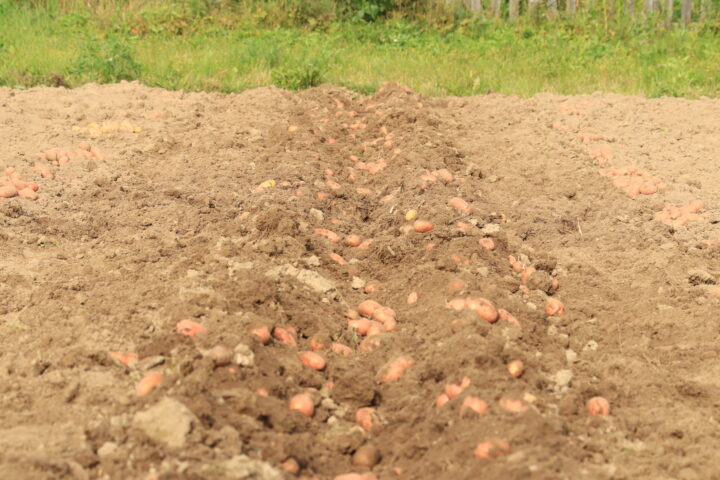
Record low potato harvest: Why is the Federal Council standing still?
The hot summer of 2026 caused the lowest potato harvest in Switzerland since records began a century ago. To secure domestic supply and build climate resilience, the agricultural sector is calling for swift access to new breeding technologies, which are already being authorized in the European Union. However, the Federal Council has delayed the corresponding draft legislation until 2027.