

ARTE documentary: Genetic engineering in organic farming?
The ARTE documentary “Genetic engineering in organic farming? | Agree to Disagree!” examines key controversial questions of modern agriculture: Is the general exclusion of new breeding technologies still up to date? Can the resistance of organic farming be justified scientifically?
Published: 27.02.2026, 12:37
Two experts present their positions separately at first and are then confronted with the arguments of the other. The juxtaposition brings several remarkable contradictions to light.
On one side is Holger Puchta, professor and pioneer of genetic engineering. He emphasises the advantages of modern breeding technologies such as CRISPR/Cas: targeted genetic interventions could create more resilient plants that require fewer plant protection products. He considers the conventional genetic engineering debate outdated – modern methods are more precise, safer and could contribute significantly to sustainability.
On the other side, Monika Messmer from the Research Institute of Organic Agriculture (FiBL) represents the classic organic perspective. She remains sceptical towards new genomic breeding technologies and relies on natural breeding methods that avoid direct interventions in genetic material. However, the confrontation with Puchta’s arguments puts her in a difficult position – particularly regarding a central contradiction of organic farming: the extensive use of copper as a plant protection product, for example against late blight in potatoes.
Puchta argues that genetically engineered, fungus-resistant varieties could drastically reduce the need for copper. He points out that copper, as a cellular toxin, is problematic for the environment and soils. Messmer responds that FiBL is researching a natural alternative – an extract from larch bark (Larixyne). Yet a look at FiBL’s own website shows that this solution is still far from widespread application. It states:
“Copper is currently widely used as a plant protection product in organic, integrated and conventional production – despite a problematic ecotoxicological profile (listed as a candidate for substitution). European policy and organic associations are striving to replace copper, but efficient and sustainable alternatives are lacking. In addition, very large quantities of copper must be replaced (more than 3,200 t of metallic copper in European organic farming alone).”
Research on Larixyne is said to be advanced (TRL 6–7), but neither industrial production nor market entry is secured. It remains questionable whether this alternative can ever replace copper – an unspoken admission of the weaknesses of organic farming.
Ideology vs. innovation
The discussion becomes even more controversial when Puchta points out that numerous plants used in organic farming were developed through artificial interventions in DNA – genetic engineering is therefore already present in organic products, for example in pasta made from certain wheat varieties. Messmer does not deny this, but describes it as a “pragmatic decision” because this seed was available on the market. A similarly pragmatic attitude towards modern breeding technologies, however, is lacking.
The documentary makes clear how deep the divide is between supporters of genetic engineering and the organic movement. While one side relies on scientific progress, the other remains anchored in traditional patterns of thinking. The central question remains: how long can organic farming refuse modern breeding technologies without completely losing its own credibility?
Kindly note:
We, a non-native editorial team value clear and faultless communication. At times we have to prioritize speed over perfection, utilizing tools, that are still learning.
We are deepL sorry for any observed stylistic or spelling errors.
Related articles
Anti-Food Waste Banana
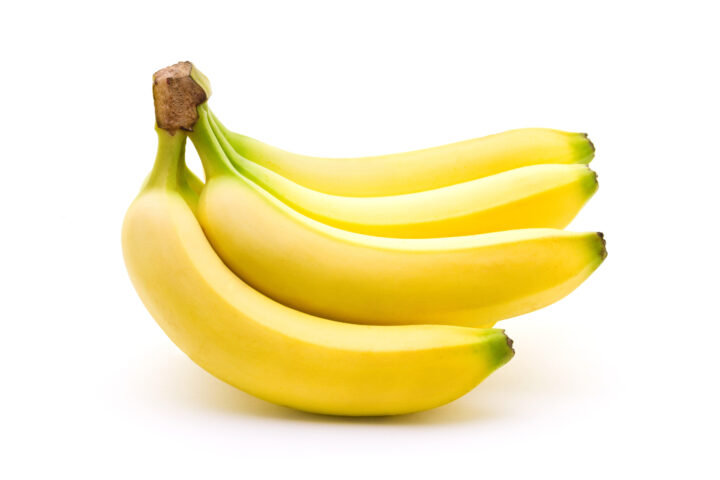
British biotech company Tropic has developed a banana using CRISPR/Cas gene editing that no longer turns brown. In the US, it is already on the market, while in England, it has passed the decisive regulatory hurdle. The same technology could also help save the world's most popular banana from extinction.
Asian Tiger Mosquito: Federal Government Implements Action Plan – But Insecticides Remain Taboo
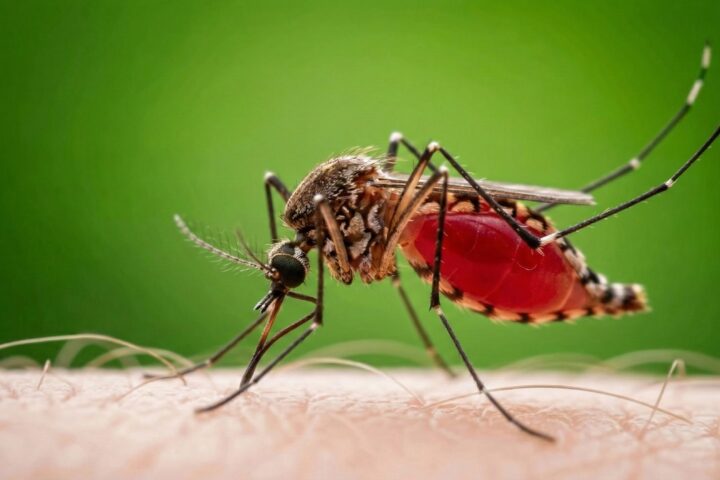
Invasive species such as the Asian tiger mosquito are increasingly spreading across Switzerland. The federal government is sounding the alarm and wants to put a stop to the mosquito with a national action plan. However, the most effective measure is being left out: insecticides.
Record Heat 2026: Why Agriculture Needs Resilient Crop Varieties
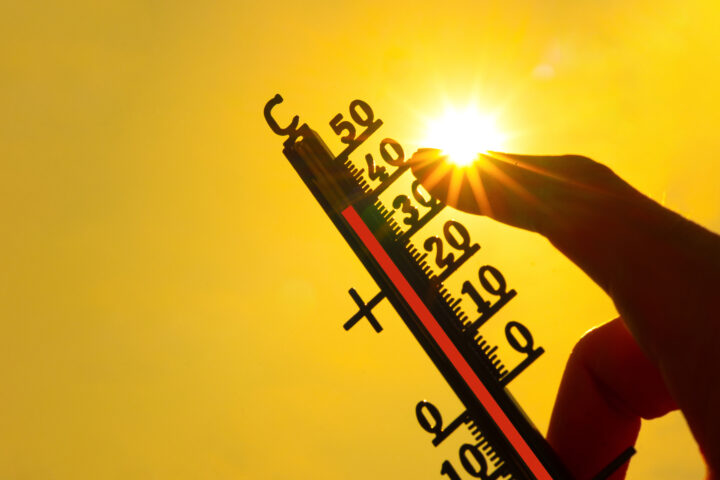
Heat, drought, and hail took a heavy toll on Swiss farmers in 2026. In an interview with the NZZ, Adrian Aebi, head of Switzerland's largest crop insurer, warns: "If we carry on like this, agriculture will bleed dry." Looking to the future, there is an urgent need for resilient crop varieties that can withstand heat and dry conditions.
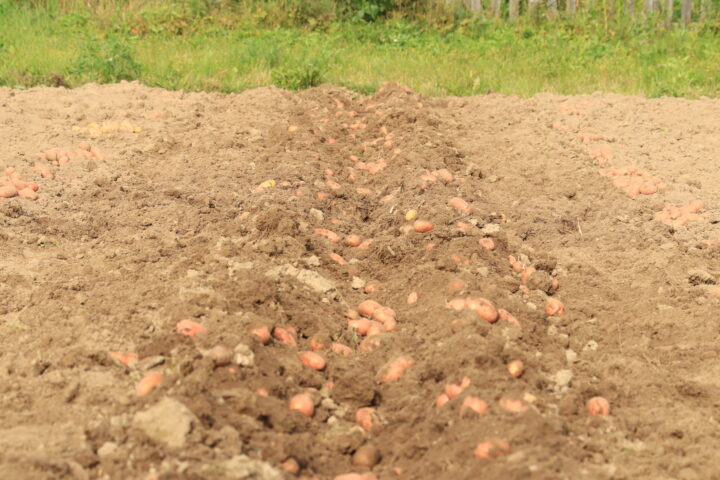
Record low potato harvest: Why is the Federal Council standing still?
The hot summer of 2026 caused the lowest potato harvest in Switzerland since records began a century ago. To secure domestic supply and build climate resilience, the agricultural sector is calling for swift access to new breeding technologies, which are already being authorized in the European Union. However, the Federal Council has delayed the corresponding draft legislation until 2027.