

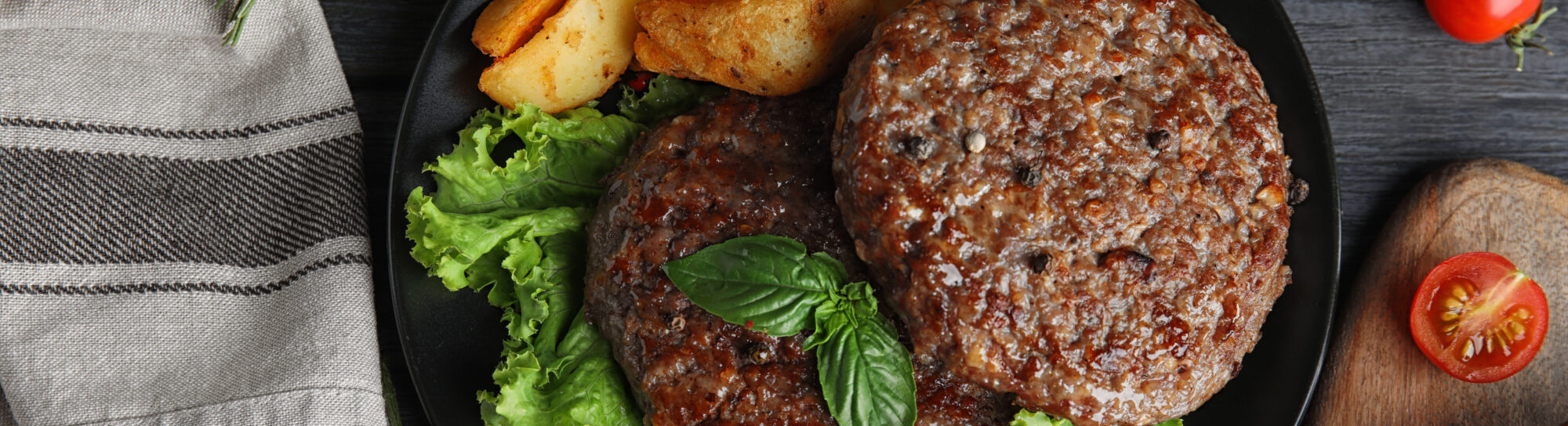
Lab-grown meat is approved for consumption in the USA for the first time – this openness to new technologies is also needed in Eu
Laboratory meat could revolutionise nutrition. But in Europe it is partly banned as a precaution. Yet new technologies are indispensable if the world's population is to be fed without destroying the environment, writes Matthias Benz in the NZZ.
Published: 03.07.2023, 09:03
This commentary by Matthias Benz was first published in the "Neue Zürcher Zeitung" on 22 June 2023 under the title "Lab meat is approved for consumption in the USA for the first time - this openness to new technologies is also needed in Europe".
It may be a day for the history books: for the first time, lab-grown meat has been approved for sale to consumers in the USA. The companies Upside Foods and Good Meat are now allowed to sell chicken meat that does not come from killed chickens but is bred in the laboratory with the help of cell cultures.
This opens up a huge market for cultured meat. Until now, only the small country of Singapore had granted approval.
Better for animals and the environment
Enthusiasts promise themselves nothing less than a revolution in nutrition from lab meat. People can continue to eat real meat without animals having to die for it.
Hopes are also high for the environment. Conventional meat production involves an enormous consumption of resources and accounts for a large part of the ecological footprint of our food consumption.
Laboratory meat, on the other hand, does not require huge areas of land for animals and feed cultivation. It does not lead to over-fertilisation of landscapes and water bodies. It also promises to do better on the climate balance - although this point is still controversial because the bioreactors used consume a lot of energy.
Consumer scepticism
As great as the promises are, however, the doubts are also great. Frankly, no one can say today whether lab-grown meat will prevail.
The road to the mass market is long. Upside Foods and Good Meat are planning a quiet start: they will first launch their chicken products in two restaurants in San Francisco and Washington DC. According to industry experts, it may well be another five years before cultured meat can be found on American supermarket shelves.
It also remains to be seen how consumers will react to the new product. Lab-grown meat is still comparatively expensive, and it will probably take a while before it can compete with conventional meat in terms of price. Moreover, it could be met with fundamental scepticism. This was demonstrated a few months ago by the discussions in Italy, where opponents used the term "Frankenstein meat".
Ban in Italy
The decisive point is therefore not whether the future will actually belong to lab meat. What is central is how politics and society face such new technologies.
There are striking differences between America and Europe. In Italy, the Meloni government decided in March to ban the production of lab-grown meat in its own country. The Minister of Agriculture said that he was acting according to the precautionary principle. It has not been proven that the new product does not pose any risks. Other EU countries and Switzerland do not go that far. But here, too, it is clear that the approval procedures for "novel foods" are so strict that it will probably be years before lab-grown meat is on the European plate.
New technologies as the key
But the Europeans should take a leaf out of the Americans' book. Until now, Switzerland and the EU have turned a blind eye to the fact that conventional food production is a huge burden on the environment and the climate, out of consideration for the farmers.
New technologies are an important key to making food more environmentally friendly. Laboratory meat is just one of the many approaches. They also include green genetic engineering, which promises plant cultivation with fewer pesticides and less water consumption. Digitalised precision agriculture and indoor farming are also rich in opportunities.
Food production has become one of the most technologically interesting sectors in recent years. It is high time for Europe to make use of this potential.
Matthias Benz is a journalist at the "Neue Zürcher Zeitung".
Kindly note:
We, a non-native editorial team value clear and faultless communication. At times we have to prioritize speed over perfection, utilizing tools, that are still learning.
We are deepL sorry for any observed stylistic or spelling errors.
Related articles

Anti-Food Waste Banana
British biotech company Tropic has developed a banana using CRISPR/Cas gene editing that no longer turns brown. In the US, it is already on the market, while in England, it has passed the decisive regulatory hurdle. The same technology could also help save the world's most popular banana from extinction.
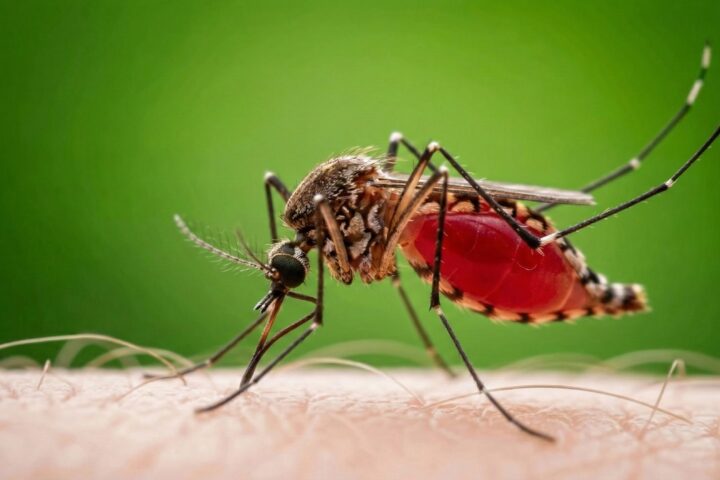
Asian Tiger Mosquito: Federal Government Implements Action Plan – But Insecticides Remain Taboo
Invasive species such as the Asian tiger mosquito are increasingly spreading across Switzerland. The federal government is sounding the alarm and wants to put a stop to the mosquito with a national action plan. However, the most effective measure is being left out: insecticides.

Record Heat 2026: Why Agriculture Needs Resilient Crop Varieties
Heat, drought, and hail took a heavy toll on Swiss farmers in 2026. In an interview with the NZZ, Adrian Aebi, head of Switzerland's largest crop insurer, warns: "If we carry on like this, agriculture will bleed dry." Looking to the future, there is an urgent need for resilient crop varieties that can withstand heat and dry conditions.
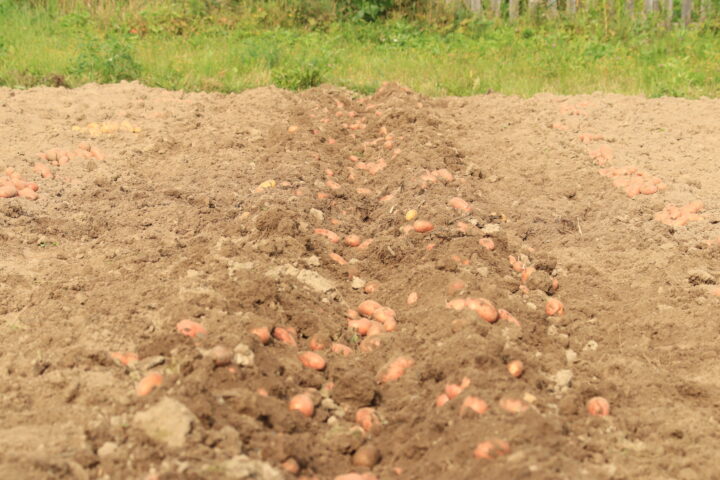
Record low potato harvest: Why is the Federal Council standing still?
The hot summer of 2026 caused the lowest potato harvest in Switzerland since records began a century ago. To secure domestic supply and build climate resilience, the agricultural sector is calling for swift access to new breeding technologies, which are already being authorized in the European Union. However, the Federal Council has delayed the corresponding draft legislation until 2027.