


Moderate consumption of aspartame is harmless
According to researchers, frequent consumption of the artificial sweetener aspartame can cause cancer. This news caused some attention in the summer of 2023.
Tuesday, August 15, 2023
According to the NZZ, however, nutrition experts are reacting calmly to the news. There is a simple reason for this. The assessment as "possibly carcinogenic" alone says little. What is decisive is the amount that a person consumes. The World Health Organisation (WHO) is not worried either. In the context of normal consumption, aspartame is harmless. Anyone who chews artificially sweetened chewing gum or drinks an artificially sweetened soft drink from time to time has nothing to worry about.
Quantity makes the poison
The basis for the headlines was the reclassification of aspartame as "possibly carcinogenic" by the International Agency for Research on Cancer (IARC). The IARC classification is discussed in the swiss-food glossary article on the keyword "carcinogenic". The different classifications on the subject of carcinogenicity are also the subject of a newsletter. The NZZ writes: "Important to know: The IARC only assesses whether a substance could in principle cause cancer. It does not take into account how much of it a person would have to ingest to have a risk of disease, explained Mary Schubauer-Berigan. She heads the IARC Monographs programme responsible for classification."
The importance of limit values
This is the crucial point, which of course applies not only to aspartame, but also to other substances such as pesticides, which the International Agency for Research on Cancer evaluates. The label "possibly carcinogenic" alone says nothing. The inherent toxicity, i.e. the danger alone, says nothing. What is decisive is how much a person ingests, for example, how much substance a person takes in under real conditions. That is the risk: the inherent danger times the exposure. That is why there are limit values. For aspartame, the recommended maximum is 40 milligrams per kilogram of body weight. According to the NZZ, that is nine to 14 doses of a drink containing high levels of aspartame per day for a person weighing 70 kilograms. With these amounts, one can no longer speak of moderate consumption.
Sources
Neue Zürcher Zeitung, 14 July 2023
Kindly note:
We, a non-native editorial team value clear and faultless communication. At times we have to prioritize speed over perfection, utilizing tools, that are still learning.
We are deepL sorry for any observed stylistic or spelling errors.
Related articles

Unwanted Invaders: Why Pesticides Are Essential in the Fight Against Invasive Species
They are small, highly mobile and extremely persistent: invasive species are spreading increasingly across Switzerland. Whether it is the Japanese beetle, the Asian hornet or newly discovered ant species, these unwelcome guests threaten not only native ecosystems, but also agriculture and residential areas. There is an urgent need for pesticides – including biocides and plant protection products – to combat these pests effectively.

Cheap Spanish Tomatoes Are a Thing of the Past – Now Innovation Is Needed
Fewer and fewer crop protection products, increasing pest pressure and retailers demanding low prices: Spain’s vegetable production is caught in a dilemma that also affects Switzerland. The only way out is through plant breeding and digitalisation.
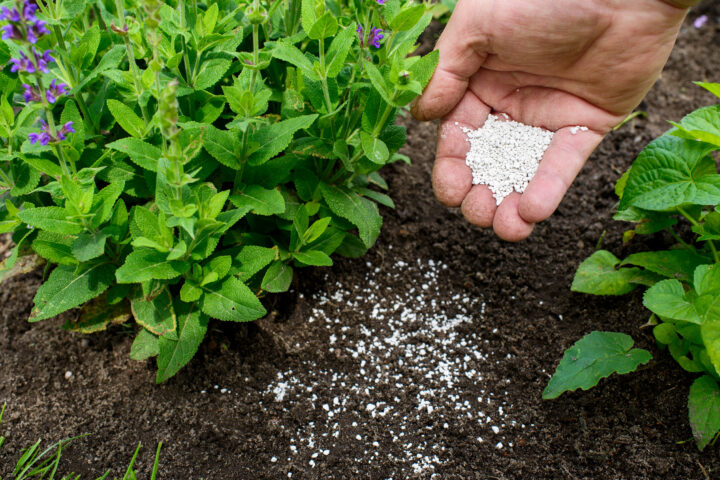
Fertiliser crisis hits Europe – what about Switzerland?
The war in Iran is driving up fertiliser prices, and Europe is facing a potential supply gap. Switzerland remains calm for the moment – and with good reason.

Neither Left nor Right: Forward!
In climate, energy, and agricultural policy, beliefs often take precedence over facts. The American think tank The Breakthrough Institute demonstrates a different approach: embracing disagreement, evaluating technologies with an open mind, and viewing productivity as an ally of environmental protection.