

Sales bans due to PFAS: Should we be worried?
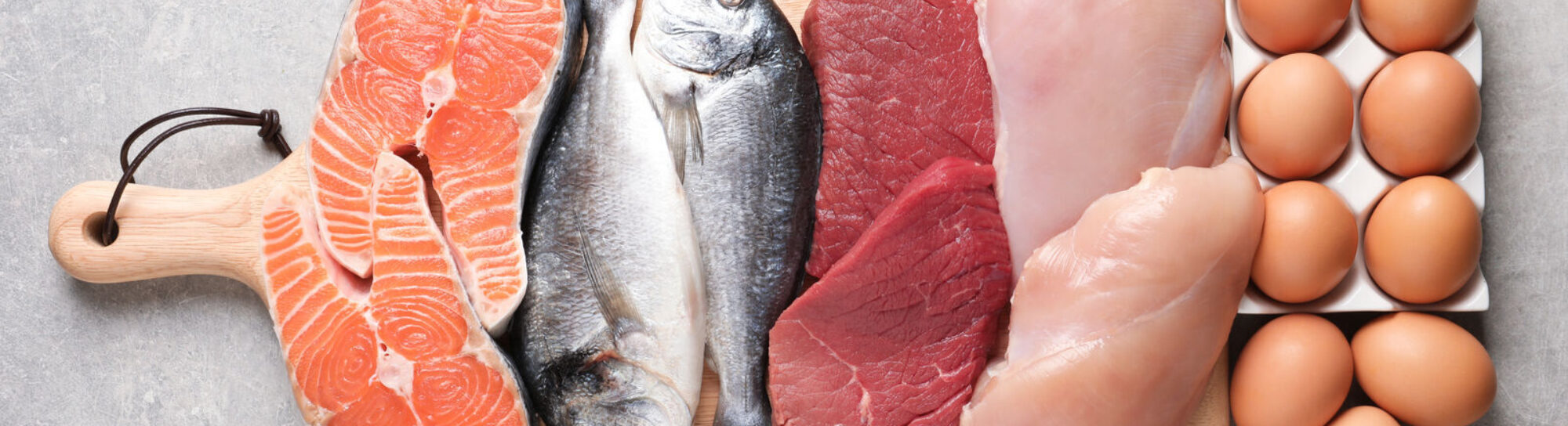
After spectacular sales bans on fish and meat due to PFAS contamination, consumers are asking themselves: How dangerous are these substances really – and what can still be placed in the shopping basket without concern?
Published: 22.12.2025, 20:18
The reports were spectacular: In mid-November, the Canton of Zug imposed an immediate sales ban on perch and pike from Lake Zug. For the local fishing industry and especially for the lakeside restaurants that liked to serve their crispy perch fillets, this was a severe blow. Earlier, the government of St. Gallen had already banned the sale of meat with excessively high PFAS levels. Many consumers wondered: What can we even eat anymore?
A study by the Association of Cantonal Chemists (VKCS) provides meaningful reassurance, as the Tages-Anzeiger reports: “In an analysis of 900 food products sold in Switzerland, only 0.8 percent of samples were flagged for exceeding the legal maximum levels for PFAS.” The focus was on foods of animal origin: 401 meat, 282 egg and 206 fish samples. Five beef samples as well as one egg and one fish sample showed elevated PFAS levels. Among 276 dairy products, only two milk samples and one yogurt were flagged.
The figures show that the fishermen are not wrong to criticize the sales ban imposed by the Zug government. And that the case of Lake Zug cannot simply be applied to Switzerland as a whole. The VKCS study is representative: samples were taken in retail stores across the country and weighted according to the respective population size. As VKCS President Alda Breitenmoser explains: “Consumers in Switzerland do not need to fear that their shopping baskets contain food excessively contaminated with PFAS.”
It remains unclear, however, whether the contaminated products originate from Switzerland or abroad. Around 70 percent of the tested foods came from Switzerland and Liechtenstein; the rest were imported goods. What is already clear is that Switzerland is engaged in a broad discussion about how to deal with PFAS. As elsewhere, the same principle applies: regulating substances that have few viable alternatives for many applications must be risk-based. A blanket ban would be misguided, as chemistry expert Dominique Werner of Scienceindustries also notes. The Federal Council shares this view: on 19 December 2025, it decided to launch an action plan on PFAS, aimed primarily at consolidating ongoing measures and improving coordination and information among all stakeholders.
Sources
Kindly note:
We, a non-native editorial team value clear and faultless communication. At times we have to prioritize speed over perfection, utilizing tools, that are still learning.
We are deepL sorry for any observed stylistic or spelling errors.
Related articles

Anti-Food Waste Banana
British biotech company Tropic has developed a banana using CRISPR/Cas gene editing that no longer turns brown. In the US, it is already on the market, while in England, it has passed the decisive regulatory hurdle. The same technology could also help save the world's most popular banana from extinction.
Asian Tiger Mosquito: Federal Government Implements Action Plan – But Insecticides Remain Taboo
Invasive species such as the Asian tiger mosquito are increasingly spreading across Switzerland. The federal government is sounding the alarm and wants to put a stop to the mosquito with a national action plan. However, the most effective measure is being left out: insecticides.
Record Heat 2026: Why Agriculture Needs Resilient Crop Varieties
Heat, drought, and hail took a heavy toll on Swiss farmers in 2026. In an interview with the NZZ, Adrian Aebi, head of Switzerland's largest crop insurer, warns: "If we carry on like this, agriculture will bleed dry." Looking to the future, there is an urgent need for resilient crop varieties that can withstand heat and dry conditions.
Record low potato harvest: Why is the Federal Council standing still?
The hot summer of 2026 caused the lowest potato harvest in Switzerland since records began a century ago. To secure domestic supply and build climate resilience, the agricultural sector is calling for swift access to new breeding technologies, which are already being authorized in the European Union. However, the Federal Council has delayed the corresponding draft legislation until 2027.