


How German Experts View New Breeding Techniques
Nature romanticism versus scientific evidence: Why Germany’s debate on new breeding techniques has less to do with science than with worldview.
Published: 17.12.2025, 07:50
In hardly any other country is the idyllic image of organic farming cultivated in the public sphere as carefully as in Germany. Naturalness and rural authenticity are powerful mental refuges for many Germans. Against this backdrop, it is hardly surprising that resistance to new breeding techniques is strong – and that ignorance about the realities of organic farming sometimes appears almost deliberate. Organic agriculture is seen as “natural,” as the result of “good old” cross-breeding in which nothing should be disturbed. What ends up on the plate is supposedly nothing but pure nature. Reality, of course, looks quite different.
It is therefore no surprise that the planned liberalisation of genomic breeding techniques in the EU has sparked considerable opposition. A small survey conducted by Tagesspiegel among scientists following the EU trilogue on 4 December – which foresees broad approval of such plants – reveals one thing above all: German romanticism about naturalness has long since found institutional homes. And within them, arguments are often marked by remarkable vagueness.
While the molecular biologists, agricultural economists and food law experts surveyed assess the new EU regulation in a sober, precise and fact-based manner, the ecologically oriented voices drift into vague fears and ideologically charged warnings.
The experts arguing from a natural science perspective – Holger Puchta, Stephan von Cramon-Taubadel, Kai Purnhagen and Matin Qaim – present a coherent, evidence-based picture. Mutations from so-called NGT-1 (which contain only species-specific genetic material) are biologically indistinguishable from natural or conventionally induced changes. Risk assessment, they argue, must focus on the product rather than the method – a core principle of modern biosciences. Genome-edited varieties offer a realistic opportunity for a more resilient, climate-adapted and resource-efficient agriculture. Even the issue of patents is addressed pragmatically: what matters is competition law, not a diffuse scepticism towards technology.
The representatives of the ecological camp take a very different approach. Gunter Backes and Katja Tielbörger rely on concepts that, upon closer inspection, lack substance: “genetic integrity,” “disempowerment of consumers,” “unforeseeable consequences,” “lobby influence.” Empirical data, quantitative assessments or comparisons with breeding methods already widely used today – including in organic agriculture, particularly classical mutagenesis – are conspicuously absent. Instead, diffuse warnings and abstract worst-case scenarios dominate, neither contextualised nor substantiated. The line of argumentation appears more like an extension of ideological convictions than a contribution to scientific discourse.
The overall picture is clear: the closer the expertise lies to genetics and modern breeding techniques, the more consistent and evidence-based the analysis becomes. The more it stems from an ecological-ideological milieu, the more blurred and scientifically imprecise it appears.
This small showcase of professors thus demonstrates one thing above all: the conflict over new breeding techniques is a conflict between science and worldview. Science has little patience for romantic notions of natural purity and pastoral nostalgia – and rightly so.
Kindly note:
We, a non-native editorial team value clear and faultless communication. At times we have to prioritize speed over perfection, utilizing tools, that are still learning.
We are deepL sorry for any observed stylistic or spelling errors.
Related articles

The opponents of green genetic engineering lack facts. Their anti-attitude is a dangerous ideology
Switzerland and the EU will decide on the cultivation of plants modified using new breeding technologies in 2025. Authorisation is sensible – and long overdue. After all, genetic engineering is already widespread.

Only half the truth in the genetic engineering debate
Those who only see the risks remain blind to the opportunities offered by a new technology. Opponents of genetic engineering have presented a new survey on new breeding methods, which reveals some telling gaps.
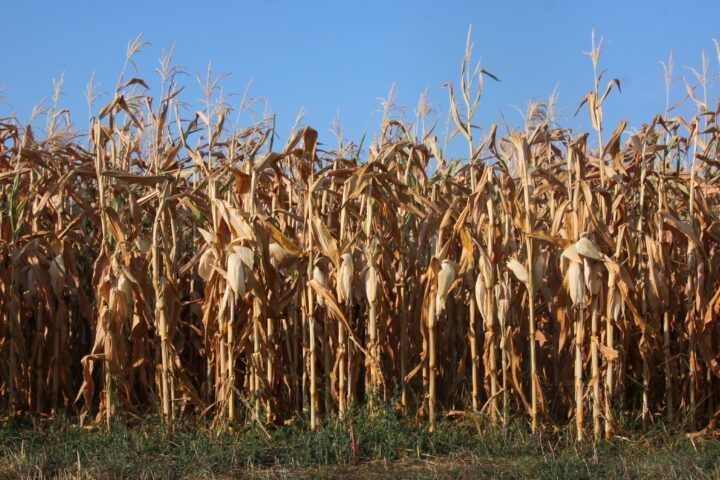
Stagnation instead of progress: Switzerland risks falling behind in new breeding techniques
An overview article in Schweizer Bauer shows how much the new breeding methods are preoccupying farming circles. Once the consultation process on the federal law has been completed, a bill is expected – then it will become clear whether there is actually the political will to approve it.

Anti-Food Waste Banana
British biotech company Tropic has developed a banana using CRISPR/Cas gene editing that no longer turns brown. In the US, it is already on the market, while in England, it has passed the decisive regulatory hurdle. The same technology could also help save the world's most popular banana from extinction.
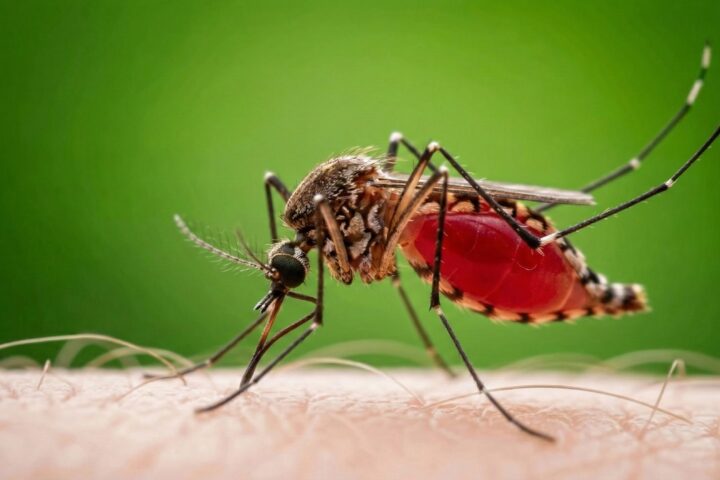
Asian Tiger Mosquito: Federal Government Implements Action Plan – But Insecticides Remain Taboo
Invasive species such as the Asian tiger mosquito are increasingly spreading across Switzerland. The federal government is sounding the alarm and wants to put a stop to the mosquito with a national action plan. However, the most effective measure is being left out: insecticides.

Record Heat 2026: Why Agriculture Needs Resilient Crop Varieties
Heat, drought, and hail took a heavy toll on Swiss farmers in 2026. In an interview with the NZZ, Adrian Aebi, head of Switzerland's largest crop insurer, warns: "If we carry on like this, agriculture will bleed dry." Looking to the future, there is an urgent need for resilient crop varieties that can withstand heat and dry conditions.
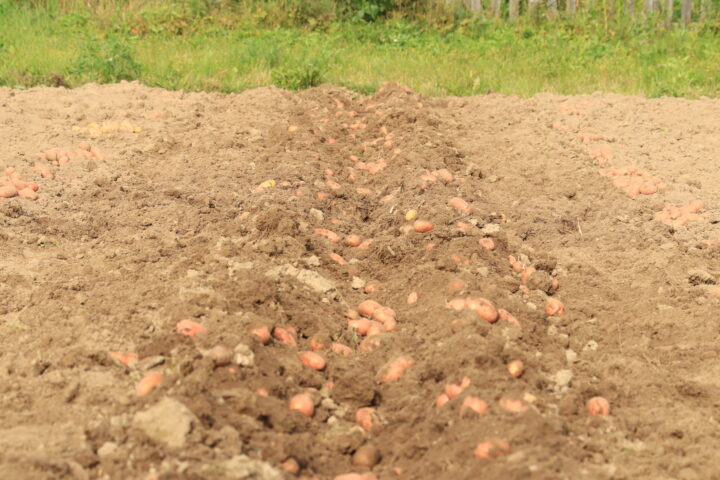
Record low potato harvest: Why is the Federal Council standing still?
The hot summer of 2026 caused the lowest potato harvest in Switzerland since records began a century ago. To secure domestic supply and build climate resilience, the agricultural sector is calling for swift access to new breeding technologies, which are already being authorized in the European Union. However, the Federal Council has delayed the corresponding draft legislation until 2027.