

Why consumers accept gene-edited foods on their plates
When gene-edited foods offer clear, tangible benefits, their acceptance increases significantly. Recent studies show that consumers are more likely to support new breeding methods when they provide understandable solutions to real-world challenges.
Published: 16.12.2025, 20:32
Acceptance of gene-edited foods increases when the tangible benefits for consumers are easy to understand. A recent study by the Center for Food Integrity (CFI), conducted in collaboration with FMI – The Food Industry Association, shows that consumers evaluate technologies such as genome editing positively when they recognize clear advantages for health, the environment, or food security.
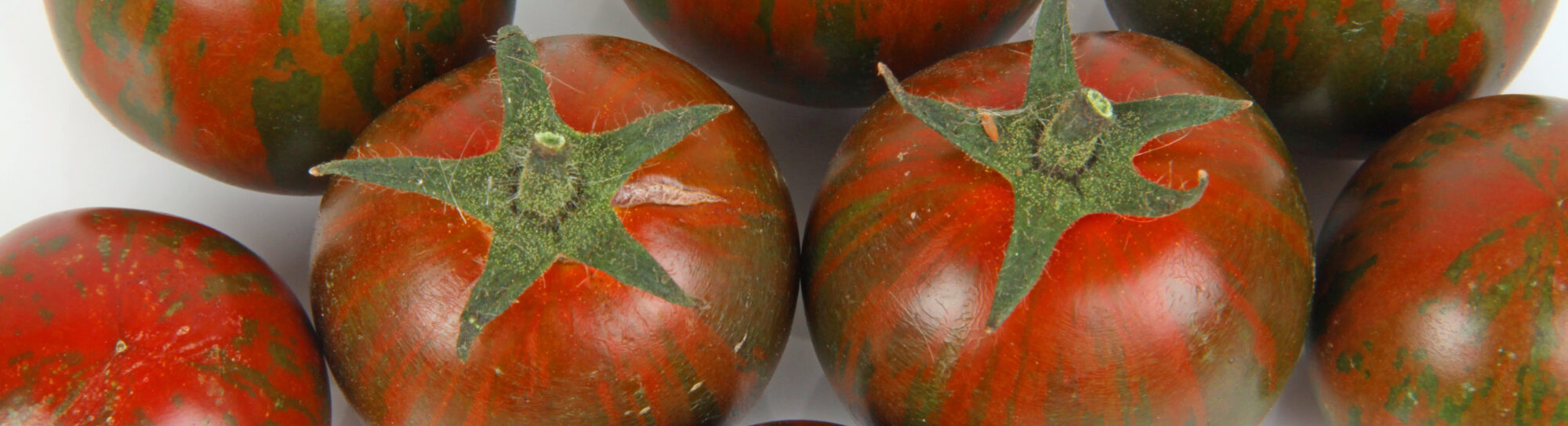
At the heart of this lies a shift in perspective: instead of explaining the scientific method, the focus is placed on concrete added value. High-GABA tomatoes that may help lower blood pressure, or pigs for which antibiotic use is reduced through genome editing, illustrate this approach.
Such applications demonstrate that genome editing is not perceived as an abstract high-tech innovation, but rather as a tool to make food more resilient, healthier, or more sustainable. According to CFI, this clear focus on benefits is crucial for building acceptance.
The study also highlights that consumers do not view genome editing in isolation, but within the context of global challenges. Climate-related crop losses, rising production costs, and food waste shape perceptions of new breeding methods. As a result, plants that are more resistant to disease or drought, or fruits with a longer shelf life, are more likely to be seen as part of the solution. The study’s authors therefore identify significant potential for broad societal acceptance, particularly for staple foods such as cereals, leafy vegetables, and fruit.
These international findings are also supported by earlier surveys conducted in Switzerland. Two surveys by gfs.bern show that the Swiss population is open to genome editing when concrete benefits are visible. Climate resilience, extended shelf life of food, and safeguarding regional production are viewed positively. More than 80% of respondents support plants that are resistant to disease thanks to genome editing or that reduce the need for plant protection products.
The surveys make one thing clear: Swiss consumers respond particularly positively when technology is used to solve real problems, rather than being applied for its own sake.
In summary, acceptance of gene-edited foods grows wherever their added value becomes visible. For companies, research, and agriculture, this means that technical feasibility should not be the primary focus. Instead, the key question is how genome editing can contribute to safe, sustainable, and healthy nutrition. When these benefits are communicated clearly, the technology gains broad support both internationally and in Switzerland.
Sources
Kindly note:
We, a non-native editorial team value clear and faultless communication. At times we have to prioritize speed over perfection, utilizing tools, that are still learning.
We are deepL sorry for any observed stylistic or spelling errors.
Related articles

Genetic engineering? Yes, of course.
As a consumer, you often don't know: products advertised as GMO-free have long contained genetic engineering. This is a thorn in the side of opponents of genetic engineering. But it is easier to keep quiet about the ‘scandal’ – because something we have been eating for a long time no longer scares us.
Migros and the opportunities of genome editing
The demand for new breeding technologies is growing. Experts see an urgent need for action in order to utilise technological progress without jeopardising safety. Companies such as Migros also recognise the importance of these developments and are addressing the opportunities and challenges they bring. Meanwhile, contrary to scientific findings, opponents are continuing to tell the same horror stories as they did 30 years ago.
The opponents of green genetic engineering lack facts. Their anti-attitude is a dangerous ideology
Switzerland and the EU will decide on the cultivation of plants modified using new breeding technologies in 2025. Authorisation is sensible – and long overdue. After all, genetic engineering is already widespread.
Record low potato harvest: Why is the Federal Council standing still?
The hot summer of 2026 caused the lowest potato harvest in Switzerland since records began a century ago. To secure domestic supply and build climate resilience, the agricultural sector is calling for swift access to new breeding technologies, which are already being authorized in the European Union. However, the Federal Council has delayed the corresponding draft legislation until 2027.

Legionella, Japanese beetles, and market turbulences: What are the consequences of the dry heatwave summer 2026?
How do persistent heat and drought in the summer of 2026 impact health, agriculture, and the economy? The summer of 2026 exemplifies how heat and dry conditions are becoming a threat across various areas: from cooling systems and livestock housing to crops and consumer wallets.

Unwanted Invaders: Why Pesticides Are Essential in the Fight Against Invasive Species
They are small, highly mobile and extremely persistent: invasive species are spreading increasingly across Switzerland. Whether it is the Japanese beetle, the Asian hornet or newly discovered ant species, these unwelcome guests threaten not only native ecosystems, but also agriculture and residential areas. There is an urgent need for pesticides – including biocides and plant protection products – to combat these pests effectively.

What can the CRISPR gene scissors do – and what not (yet)?
Since 2012, CRISPR/Cas has made it possible to alter plant DNA precisely, purposefully, and relatively cheaply. Applications ready for use today primarily include disease resistance, improved quality such as taste and nutritional value, and accelerated breeding. In contrast, complex traits like drought tolerance remain difficult because many genes are involved.