

Beautiful and delicious mutants on your plate: The misunderstood world of crop improvement
Mutations are often seen as a threat. Yet they are everywhere on our plates. Without mutations, there would be no seedless grapes or sweet almonds, no high-yield maize and no crisp apples. In agriculture, genetic changes are not a danger but have been the driving force behind diversity, productivity and food security for thousands of years.
Published: 15.12.2025, 20:59
When most of us hear the word mutation, the images that come to mind are not positive. We think of radioactive monsters, comic book villains, or genetic diseases like sickle-cell anemia. In popular culture, “mutants” are often synonymous with danger. Possibly the most famous are Marvel’s X-Men, who have enjoyed four big-screen incarnations and an enduring place among sci-fi movie aficionados.
But in the world of agriculture, mutations are neither rare nor inherently sinister. They are the invisible architects of our food supply — genetic changes that made bananas and citrus seedless, created dozens of varieties of apples and tomatoes, and increased the yields of all manner of crops.
Chance to choice
For most of human history, crop improvement was an exercise in serendipity. A farmer might notice an ornamental flower with a unique color or a tomato less prone to cracking and save those seeds for the next season. Early farmers were harnessing mutations — random changes in DNA that produced useful traits.
Over thousands of years, this process transformed wild, barely edible foods into familiar staples. Bitter almonds became sweet. Teosinte, a wild, weedlike grass with rock-hard black nubs, evolved into high-yielding corn. Wild apples grew into the crisp, sweet varieties we now pack into lunchboxes. Almost our entire modern food basket is the result of mutations.
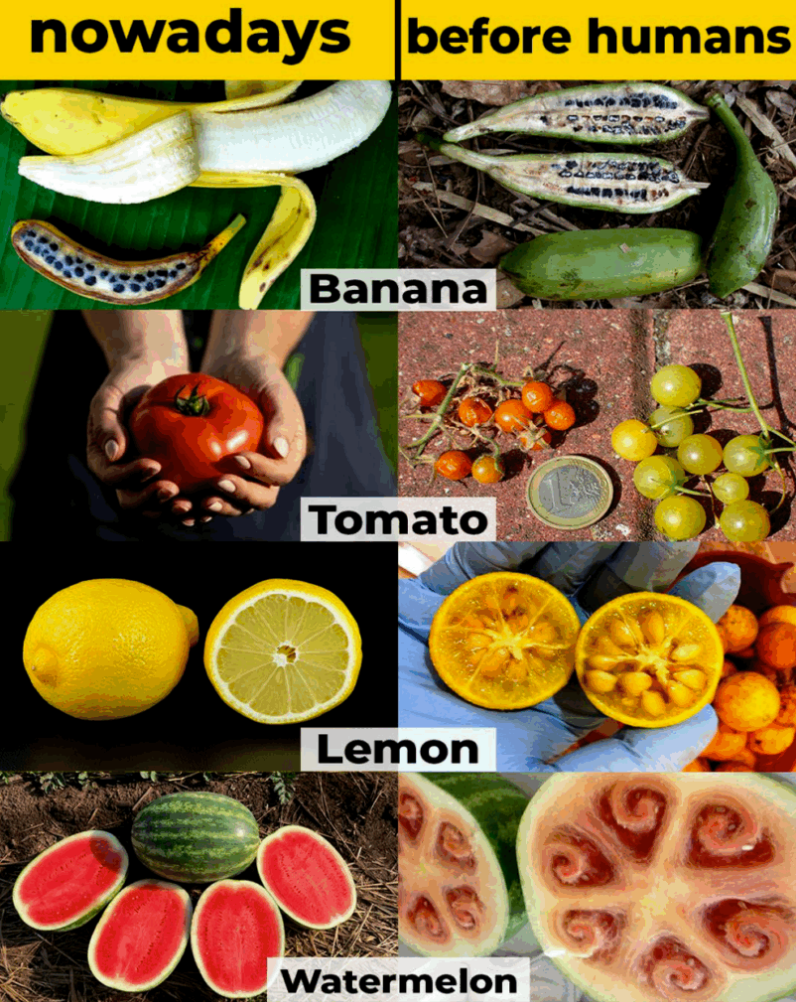
But chance, even when tweaked in a laboratory, is slow, and ‘natural’ constructive mutations are very rare. By the mid-20th century, scientists learned how to deliberately induce mutations by exposing seeds to radiation or chemicals. “Mutation breeding” dramatically sped up the process, producing thousands of new plant varieties, from malting barley rice, high-yielding, and varieties of sweet grapefruit to ornamental chrysanthemums. Many of these mutants — more than 3,000 created over the past 90 years or so — remain central to diets and gardens today.
Mutations caused by radiation or chemicals are no different from natural ones in terms of their inherent dangers (minimal to non-existent) or their potential to transform farming for the better. The mutated DNA doesn’t reflect whether a change was random or induced. The difference lies in intent — whether nature stumbled on it or humans induced or created it.
And bizarrely, while agricultural biotechnology rejectionists have long decried genetic modification and more recently gene editing, which involve precisely tweaking one or a few genes, as a dangerous corruption of Nature, they have had no issue with inducing random mutagenetic changes involving tens of thousands of genes at a time. Hypocrisy and ignorance of science at work.
Evolution with a genetic scalpel: Mutagenesis to GMOs to CRISPR
A recent Plant Physiology article by Bayer Crop Science researchers — “Beautiful and Delicious Mutants: The Origins, Fates, and Benefits of Molecular Sequence Variation in Plant Evolution and Breeding” — cuts through much of the confusion about mutations in plant breeding. Far from dangerous accidents, the authors explain, mutations are the foundation of agriculture. Natural, induced, and gene-edited changes in DNA have built today’s food system and could help crops adapt to climate stress and feed a growing world.
The article sets the stage for understanding the next stage in developing beneficial mutant plants. More than a decade into the genome editing revolution, tools such as CRISPR allow scientists to introduce mutations with surgical precision. Instead of waiting for chance or bombarding seeds with radiation, breeders are weakening, adding, or eliminating specific genes to produce desired traits such as rice engineered to thrive in salty soils without sacrificing yield, Florida oranges and grapefruits immune from devastating citrus greening, or endless varieties of tastier, vitamin-enhanced fruits and vegetables. That’s the present, not the future.
Follow the latest news and policy debates on sustainable agriculture, biomedicine, and other ‘disruptive’ innovations. Subscribe to our newsletter.SIGN UP
Genome editing is best seen as a continuation, or extension, of what breeders have always done — creating genetic variation and selecting useful traits — but with far more precision. The chances of finding the desired result are higher, the timeline shorter, and the unintended side effects fewer. And the probability of success has been heightened by the ability of AI to predict which genetic additions will be both plausible and beneficial.
Our diets are built on centuries of mutations — natural, accidental, and engineered — that farmers, scientists and plant breeders have selected, created, and exploited. If mutations are the hidden engines of agriculture, why are they viewed negatively by the public and especially by activists? Part of the answer lies in language — associations with fearsome diseases and freaks.
Mutants, the stuff of progress
This education and perception gap has real-world consequences, particularly and often irrationally among regulators. Of course, a mutation that introduces or increases the concentration of a toxin or allergen could be a concern, but such events are far less likely with the newer, more precise genetic modification techniques.
A tomato precisely enriched with nutrients usually faces tougher regulatory scrutiny than a variety created decades ago with unpredictable radiation or harsh chemical soaks. Yet both involve the same kind of DNA changes; the difference is that the more controversial method is precise, while the ideologically acceptable method is scattershot and takes far longer.
Plant scientists now often describe genome editing as “precision breeding.” It doesn’t create fundamentally new kinds of mutations; it simply makes the process more efficient, reducing the trial-and-error that defines conventional plant breeding.
The important question is not how a mutation arises but whether it makes food safer, more nutritious, or more resilient to climate stress. If yes, the mechanism by which it arose may be less important than the benefits it provides. Of course, a mutation that introduces or increases the concentration of a toxin or allergen could be a concern, but such events are far less likely with the newer, more precise genetic modification techniques.
Every bite of bread, fruit, or vegetable is a celebration of mutants. The seedless grapes in your lunchbox, Golden Rice — produced for poor, grain-dependent countries and enriched with vitamin A — and the strawberries atop your cereal all owe their existence to genetic changes, some ancient and random, while others are more recent and deliberate.
Rather than sources of concern, plant mutations have given rise to beauty, diversity, and resilience. They have shaped the foods we love and will be central to the crops we need.
As the challenges of climate change and food security intensify, the path forward will be guided by both chance and choice — by the random gifts of natural mutation and the deliberate precision of human ingenuity.
Mutants in agriculture are not monsters. They are the quiet heroes of agriculture, and likely to remain the key to feeding mankind in the future.
This article was written by Henry I. Miller. Miller is a physician and molecular biologist and Glenn Swogger Distinguished Fellow at the Science Literacy Project. The article was first published in Genetic Literacy Project on 8 December 2025 in English.
Related articles

Genetic engineering? Yes, of course.
As a consumer, you often don't know: products advertised as GMO-free have long contained genetic engineering. This is a thorn in the side of opponents of genetic engineering. But it is easier to keep quiet about the ‘scandal’ – because something we have been eating for a long time no longer scares us.
How genetic engineering is saving the Cavendish banana
The most popular banana variety - the so-called Cavendish banana - could soon disappear due to a persistent fungus. Australian researchers have developed a solution based on genetic engineering.

«Organic in this country, banned in the Philippines»
In the Philippines, Greenpeace has obtained a ban on Bt aubergines and golden rice. Incredibly, the same bacteria that the environmental organisation defames as dangerous there is being praised as organic in Switzerland.
Anti-Food Waste Banana
British biotech company Tropic has developed a banana using CRISPR/Cas gene editing that no longer turns brown. In the US, it is already on the market, while in England, it has passed the decisive regulatory hurdle. The same technology could also help save the world's most popular banana from extinction.
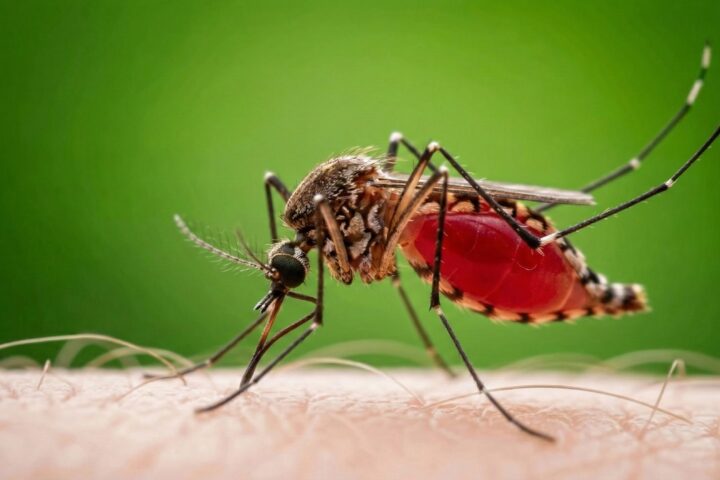
Asian Tiger Mosquito: Federal Government Implements Action Plan – But Insecticides Remain Taboo
Invasive species such as the Asian tiger mosquito are increasingly spreading across Switzerland. The federal government is sounding the alarm and wants to put a stop to the mosquito with a national action plan. However, the most effective measure is being left out: insecticides.

Record Heat 2026: Why Agriculture Needs Resilient Crop Varieties
Heat, drought, and hail took a heavy toll on Swiss farmers in 2026. In an interview with the NZZ, Adrian Aebi, head of Switzerland's largest crop insurer, warns: "If we carry on like this, agriculture will bleed dry." Looking to the future, there is an urgent need for resilient crop varieties that can withstand heat and dry conditions.
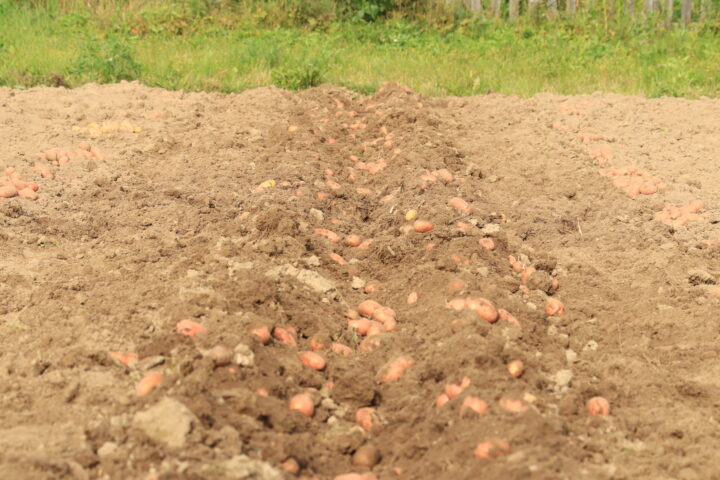
Record low potato harvest: Why is the Federal Council standing still?
The hot summer of 2026 caused the lowest potato harvest in Switzerland since records began a century ago. To secure domestic supply and build climate resilience, the agricultural sector is calling for swift access to new breeding technologies, which are already being authorized in the European Union. However, the Federal Council has delayed the corresponding draft legislation until 2027.