

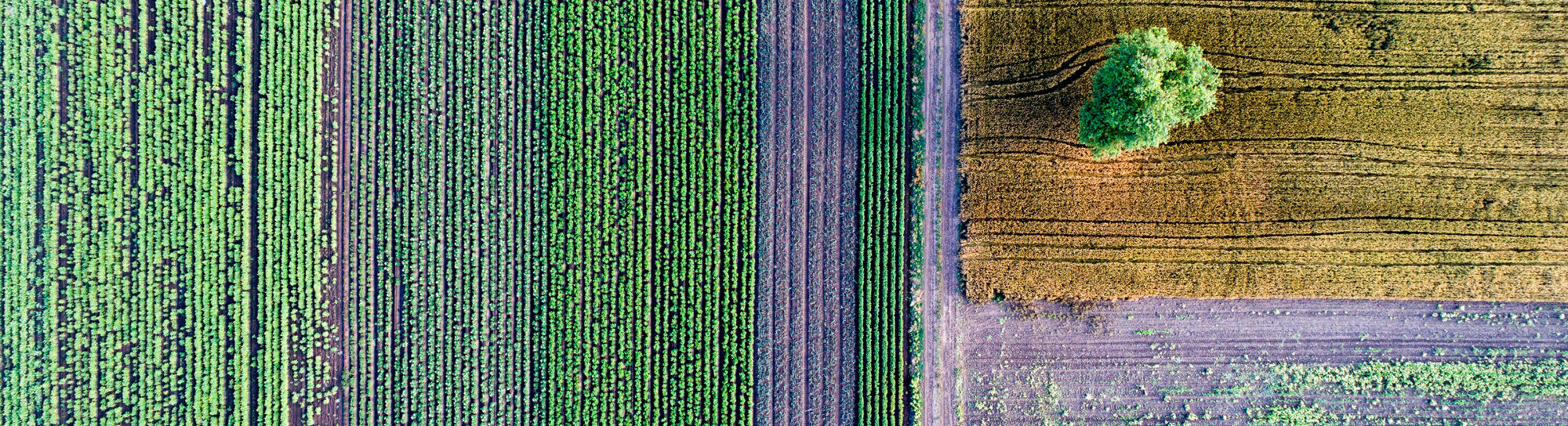
Plant Protection – Protecting Crops
Plants of all kinds can become ill. Just as medicines are used in humans, plant protection products are applied to maintain the health of crops and to prevent their destruction by pests (insects, fungi, weeds).
Published: 24.01.2020, 00:00
The key points at a glance:
-
Plants can also become ill.
-
If they die in the field, this results in food loss and wasted resources.
-
To optimise crop yields, appropriate measures against fungi, insects and weeds are essential.
Resource-efficient agricultural production aims to optimise yields while using as few production inputs as possible (such as labour, capital, energy, land, water, fertilisers or plant protection products) and exerting the least possible pressure on natural resources. Resource efficiency is defined as “the ratio between a given benefit or outcome and the resources required to achieve it”.
A resource-efficient agriculture requires plant protection products. Every form of agriculture – conventional as well as organic – therefore relies on plant protection. Plant protection products are chemical or biological active substances and formulations intended to protect plants against harmful organisms or to prevent their effects (insecticides, fungicides).
Under Swiss legislation, plant growth regulators and herbicides used for weed control are also classified as plant protection products.
Insecticide
An insecticide is a substance used to control insects. In the past, insect plagues were common. Even today, insects are controlled in agriculture and forestry, as well as in storage facilities and private households. Insecticides are used to kill, repel or inhibit insects and their reproduction. They are also frequently used as biocides – for example, in the control of insect-borne diseases such as malaria.
Fungicide
A fungicide is a chemical or biological active substance that kills fungi or their spores, or prevents their growth for the duration of its effectiveness. Fungicides are mainly used in agriculture as plant protection products. In addition, they are used to control harmful fungi such as mould on wood, textiles, walls and food. Fungicides are also used in medicine, where they are referred to as antifungal agents.
Herbicide
A herbicide can also be described as a “weed control product”. It is used to selectively inhibit the growth of unwanted plants. Weeds compete with crops for light, nutrients and water, thereby limiting or preventing crop growth. Weeds can also pose a direct risk to human health. One example is weeds that are harvested together with crops. Toxic weeds have repeatedly been found in baby herbal teas. Plant protection products are indispensable for productive agriculture. Thanks to plant protection products, it is now possible to produce food in the required quality and quantity on the available agricultural land.
Good to know
Plant protection products not only help to achieve higher yields, they also reduce losses during processing, transport and storage, where additional losses of up to 40 percent can occur. Resource efficiency means the efficient use of technical, economic and natural resources. The correct use of plant protection products reduces pressure on natural resources and contributes to high-quality yields.
Related articles
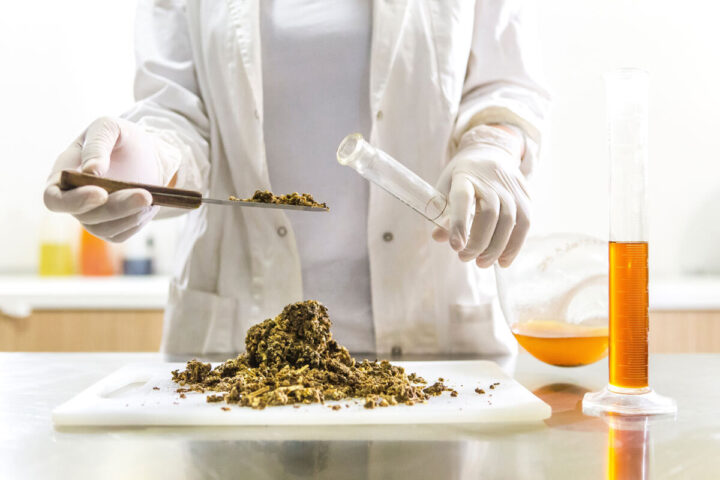
Pesticides, Biocides, Plant Protection Products
The term "pesticide" originally comes from the word "pest". A pesticide is an agent used to control pests.
From molecule to crop protection product
On average, five crop protection products are approved for the market each year worldwide. Developing new products is challenging, time-consuming and expensive. It takes more than 12 years from the start of the search for a suitable substance to the approval of the market-ready product. The costs amount to more than 300 million US dollars. Every new crop protection product must meet strict requirements. The approval procedures for crop protection products are comparable to those for new drugs.
Dramatic drop in approved pesticides
Fewer and fewer pesticides are available to Swiss farmers. Many active ingredients are disappearing from the market. At the same time, the Swiss authorities are approving very few new ones. The Swiss farmers' association warns against new measures. Otherwise, a decline in domestic food production may ensue.
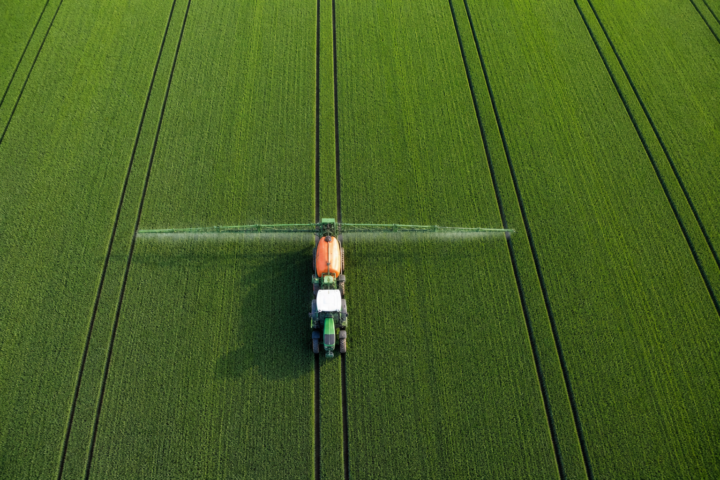
Precision Instead of Bans: What the “Pflopf” Project Shows
A six-year research project conducted in three cantons shows that precision technology can reduce the use of pesticides by a quarter without compromising yield or quality.
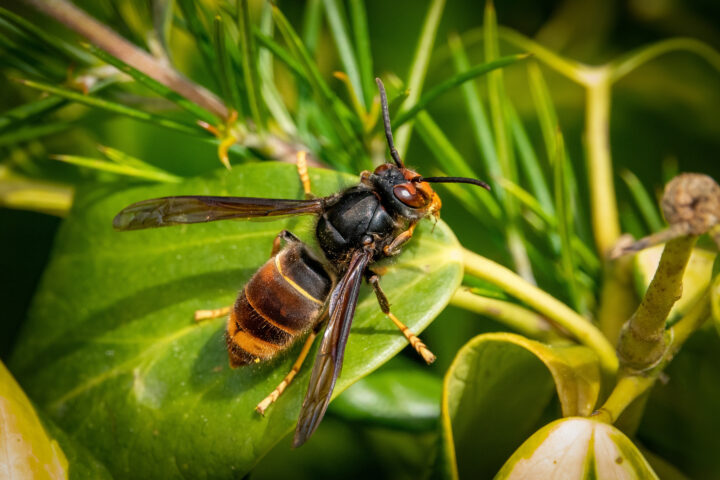
The threat posed by Asian hornets continues to grow
The Asian hornet has been posing a threat to native honey bees for several years. The situation is becoming increasingly serious. Reports speak of four times more nests than in the previous year. This pest threatens biodiversity. Politicians are also alarmed.
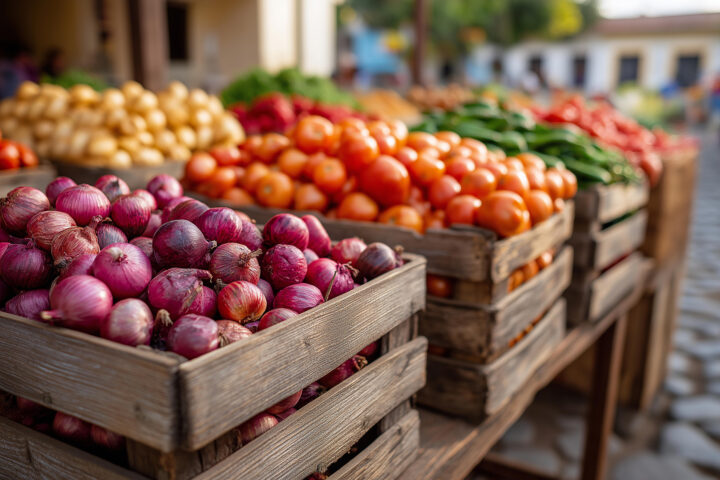
Why cutting out synthetic pesticides will reduce food production
The UK’s action plan to reduce pesticide use could backfire, warns agronomist Greg Dawson: overly strict regulations may make domestic farming unprofitable – and increase the United Kingdom’s dependence on imports.
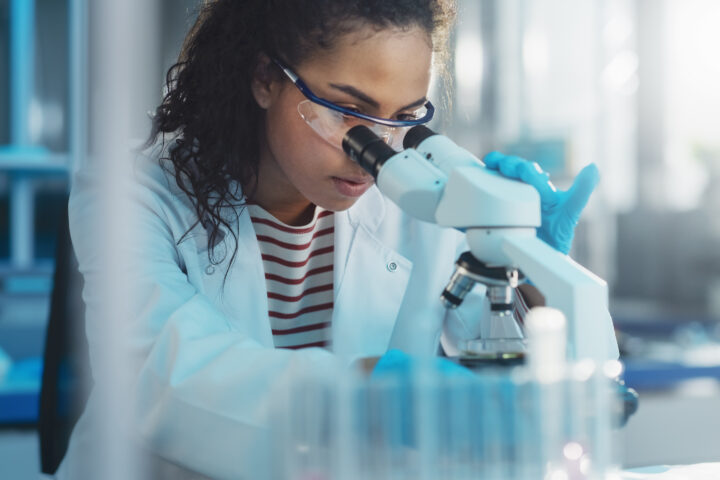
Approval studies for plant protection products are science-based
The approval of plant protection products in Switzerland is subject to strict legal requirements. Ultimately, this approval process is based on scientifically sound studies. These studies are financed by manufacturers, but they must comply with clearly defined governmental requirements and controls. The aim is to ensure reliability and independence.