

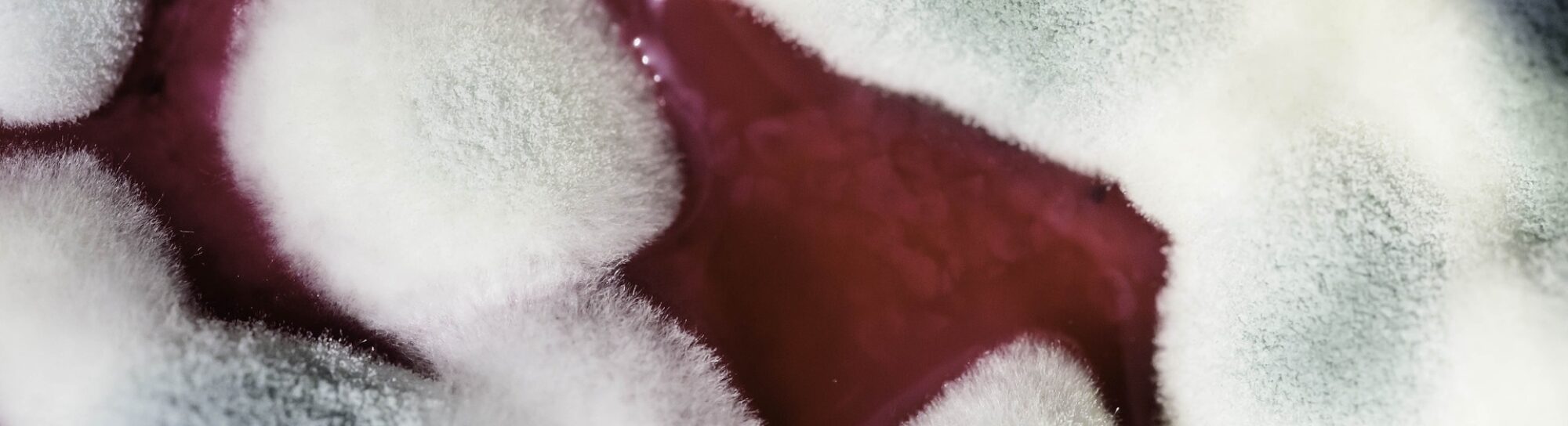
Creeping threat to food safety
Food safety is in danger. Mycotoxins are particularly dangerous. These are fungal toxins that attack cereals or nuts, for example.
Published: 06.07.2020, 00:00
The most important facts in brief:
- Safe and healthy food cannot be taken for granted, even in Switzerland.
- Contamination with listeria or noroviruses occurs time and again.
- So-called mycotoxins are particularly dangerous. These are moulds that are carcinogenic.
The news must have come as a great shock to many parents who only wanted the best for their children when buying organic products. The Federal Food Safety and Veterinary Office (FSVO) has issued a warning about enterobacteria in Bimbosan cereal food «Bio-Hosana». The organic porridge can jeopardise children's health. The problem for consumers is that they have to blindly trust the manufacturers. The impurities are not recognisable to the naked eye. However, Bio-Bimbosan is not an isolated case. Food contamination occurs time and again. And the FSVO then warns of listeria in cheese or noroviruses in mussels. Food safety is at risk. Mycotoxins are particularly dangerous. These are fungal toxins that attack cereals or nuts, for example.
Moulds cause many liver cancer deaths
One of the most dangerous fungal toxins is aflatoxin. It is found in mould fungi. According to the Consumer Choice Centre, every year in Europe alone, hundreds of thousands of liver cancer deaths are caused by poisoning with mycotoxins. The problem is even greater in developing countries. Experts believe that the consequences of aflatoxin poisoning are more deadly than malaria and tuberculosis. Around 40 per cent of liver cancer deaths in Africa are linked to the ingestion of aflatoxins.
Wide spread of mould toxins
Dangerous moulds can spread both before and after the harvest if adequate plant protection with fungicides is not used. According to the Consumer Choice Centre, four million bags of maize recently had to be destroyed in Kenya because contamination with mycotoxins was detected. However, the contamination often goes unnoticed and ends up in the food chain with devastating effects. Dairy products are also at risk if animal feed is contaminated. The spread of moulds is promoted by warm and humid climates, damage caused by insects and improper storage. The fungal toxins are found in a wide variety of products. The spectrum ranges from wheat to pistachios, hazelnuts, spice mixes and watermelons. The use of fungicides can prevent the spread of moulds. They can stop the growth of the fungi both in the field and in the warehouse and avert the risk of poisoning. Based on recent scientific studies, the Federal Food Safety and Veterinary Office expects higher levels of mycotoxins in foodstuffs in the future, as well as the emergence of new mycotoxins or new combinations of mycotoxins/foodstuffs. Changes in agricultural methods can also have an influence on the occurrence of mycotoxins in food.
Fungicides effectively combat mycotoxins
From the point of view of food safety and consumer health, it is irresponsible to refrain from using fungicides until alternative technologies such as gene editing are available. Gene editing can strengthen the defence mechanisms of plants against mould infestation. However, those who refrain from using fungicides without an alternative are jeopardising human lives. However, the creeping threat to food safety and health posed by mycotoxins is still far too little recognised. Pesticides are often criticised, but in reality, not using fungicides can be fatal. In this context, it is particularly controversial that a popular initiative in Switzerland wants to ban the use of synthetic fungicides - both for domestic production and for imports. This would have devastating consequences for food safety.
Good to know
Contaminated food is a major danger. Every year, around 600 million people worldwide suffer from food-borne diseases. An estimated three million people die from illnesses caused by contaminated or spoilt food or water. These terrible numbers of victims affect every part of the world. In some regions, great progress has been made since the 1980s, but the problem is still widespread and urgent.
Food safety hazards can occur anywhere from the field to our plate. Many of these hazards arise during food preparation. Every cook must take all available precautions to keep their kitchen clean and safe. Less well known are measures that ensure food safety at earlier stages of the process. For example, on the farms where they are produced. Food safety starts with growing practices, which include protecting crops from contamination with pathogenic microorganisms and potential toxins.
Sources
Syngenta, 8 June 2020: International Food Safety Day
Consumer Choice Centre (2020): Essential Food Safety: Preventing Mycotoxin Poisoning In Europe – A Toolkit For Policy Makers
Federal Food Safety and Veterinary Office (Briefing Letter, 20 October 2020): Mycotoxins in Food, Possible Development and Emerging Mycotoxins
Related articles
A Contribution Spanning Generations
Food security begins long before the harvest. It begins with varieties that deliver yields, resist diseases and perform reliably under changing environmental conditions.
A Hint to Politicians, Delivered by Test Tube
Switzerland's top science prize goes to a researcher who helped develop the "gene scissors", a technology that has decisively advanced agriculture. While science has long since opened up new possibilities and the EU is moving ahead on regulation, Switzerland continues to dawdle.

Full Shelves – Of course! How Secure Is Our Supply Really?
Security of supply sounds like a shared goal. However, as soon as it comes to the path to get there, conflicts arise: between market and state, ecology and production, as well as self-sufficiency and international connectivity. The Agricultural Policy Podcast and swiss-food.ch explore the key dependencies and areas of tension surrounding supply security in a five-part series. The highlight will be a live podcast in front of an audience on November 5, 2026, at the Äusserer Stand (Hofcafé) in Bern.
Is Organic More Sustainable?
Organic food is considered a prime example of sustainability – but in reality, it often ends up in the waste bin faster than conventional products. The omission of artificial preservatives and modern plant protection drastically shortens shelf life and leads to more food waste.