

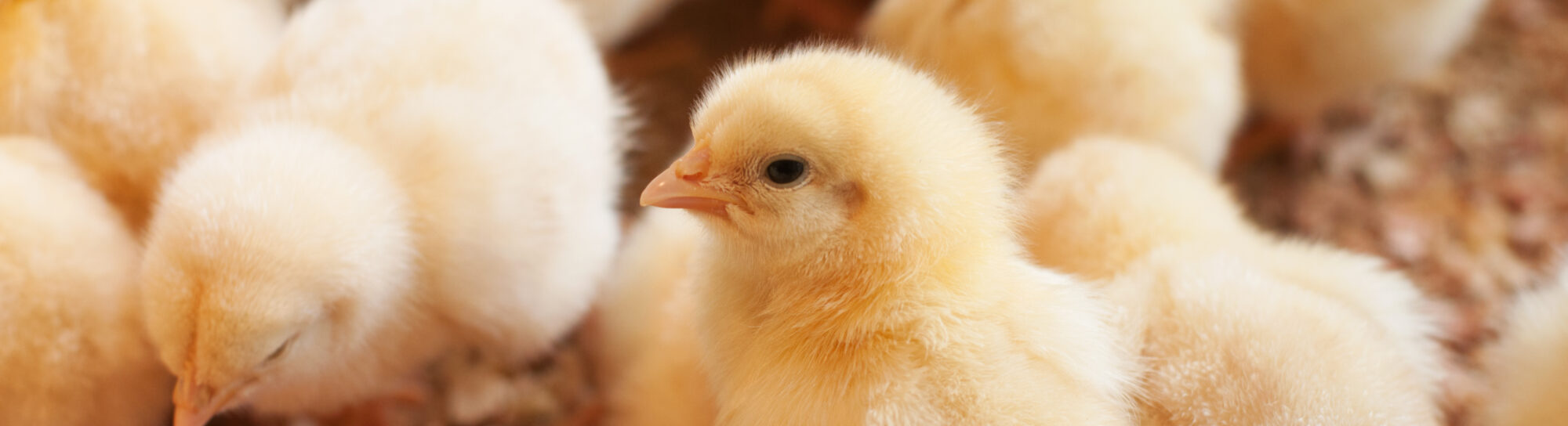
Genome editing for animal welfare
British researchers were able to use genome editing to create single-sex litters in mice. In the future, the same technique could also be used to specifically breed only female chicks. This would prevent the killing of male chicks. But to do this, genome editing would also have to be permitted in animal breeding.
Published: 08.12.2021, 11:14
The "BauernZeitung" reports on genome editing in animal breeding. Researchers in Great Britain have succeeded in breeding mice either exclusively male or exclusively female. With the CRISPR/Cas gene scissors, they were able to deactivate a gene so that female or male embryos stop growing at a very early stage of development. In the future, the findings could also be used in the breeding of farm animals - for example in the breeding of laying hens. It is currently common practice to kill male chicks because they do not become laying hens. With the help of genetic scissors, chick-killing could soon be a thing of the past, as the sex of the chicks can be determined in advance. But it will take several years of intensive research before the process is ready for approval.
Dual-purpose chickens: More feed, less yield
At its assembly of delegates, Bio Suisse spoke out in favor of a ban on the killing of chicks as of 2026. At the same time, the so-called in-ovo technology for sex determination was also banned. The technology can be used to determine the sex of the chick in the hatching egg. In male embryos, incubation of the egg can then be stopped. With this decision, Bio Suisse is focusing on the dual-purpose chicken. Females become laying hens, the meat of males can be used. In terms of sustainability, however, the dual-purpose chicken fares poorly. Laying hens lay fewer eggs and the roosters put on less meat than modern broilers. In addition, dual-purpose chickens need more feed than high-performance chickens. The productivity of the chickens decreases when there is a greater need for feed.
Genome editing would actually be the ideal solution for Bio Suisse. Both the chick-killing and the sustainability problems of the dual-purpose chickens could thus be prevented. Treatment with genetically modified vaccines could also prevent animal suffering. But Bio Suisse firmly rejects genetic engineering. To the detriment of sustainability.
Sources
Genome editing for livestock farming
Genome editing can also be generally beneficial in animal breeding: With better genetics and more feeding efficiency, global warming can be significantly influenced. Furthermore, animals can be given resistance to viral diseases.Related articles

Anti-Food Waste Banana
British biotech company Tropic has developed a banana using CRISPR/Cas gene editing that no longer turns brown. In the US, it is already on the market, while in England, it has passed the decisive regulatory hurdle. The same technology could also help save the world's most popular banana from extinction.
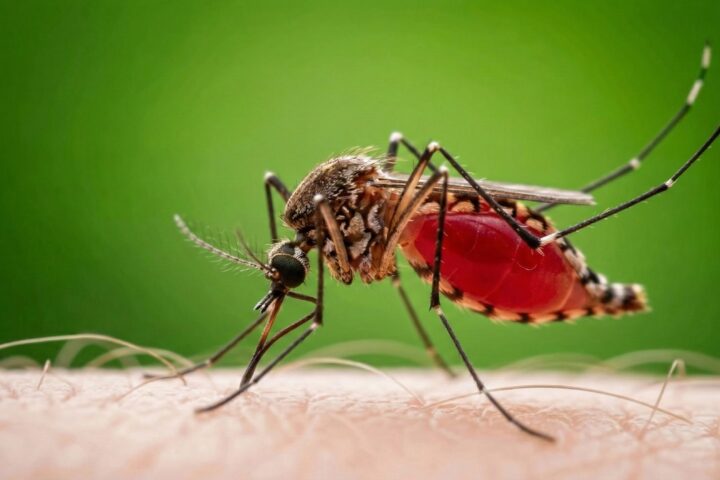
Asian Tiger Mosquito: Federal Government Implements Action Plan – But Insecticides Remain Taboo
Invasive species such as the Asian tiger mosquito are increasingly spreading across Switzerland. The federal government is sounding the alarm and wants to put a stop to the mosquito with a national action plan. However, the most effective measure is being left out: insecticides.

Record Heat 2026: Why Agriculture Needs Resilient Crop Varieties
Heat, drought, and hail took a heavy toll on Swiss farmers in 2026. In an interview with the NZZ, Adrian Aebi, head of Switzerland's largest crop insurer, warns: "If we carry on like this, agriculture will bleed dry." Looking to the future, there is an urgent need for resilient crop varieties that can withstand heat and dry conditions.
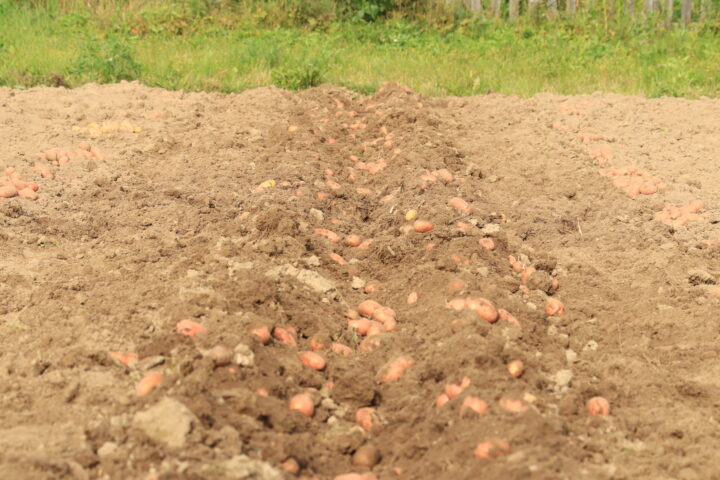
Record low potato harvest: Why is the Federal Council standing still?
The hot summer of 2026 caused the lowest potato harvest in Switzerland since records began a century ago. To secure domestic supply and build climate resilience, the agricultural sector is calling for swift access to new breeding technologies, which are already being authorized in the European Union. However, the Federal Council has delayed the corresponding draft legislation until 2027.