

Genome editing for animal welfare
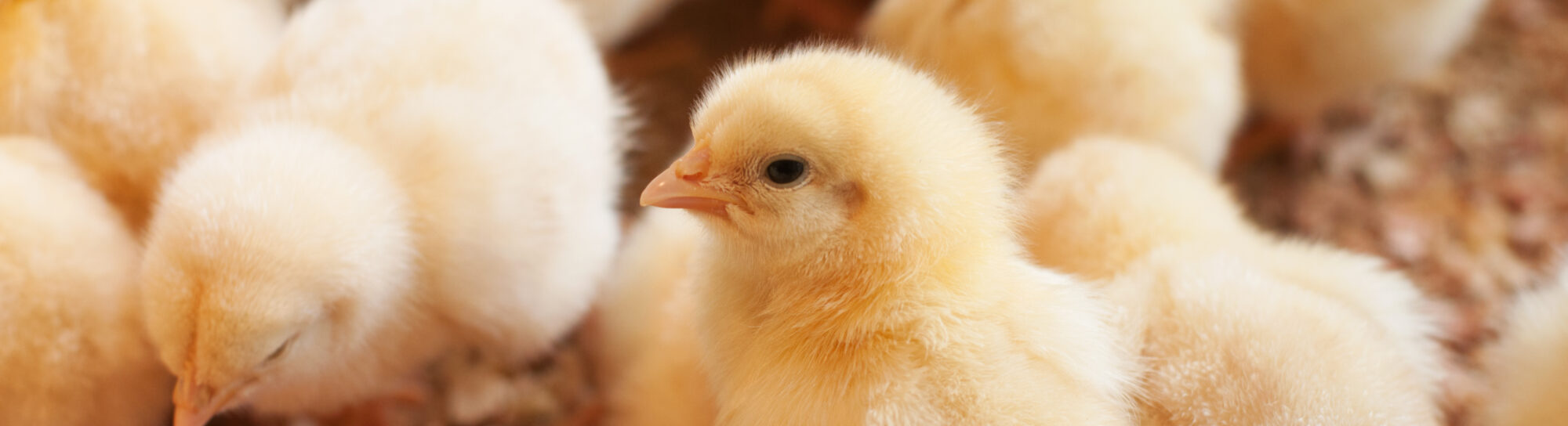
British researchers were able to use genome editing to create single-sex litters in mice. In the future, the same technique could also be used to specifically breed only female chicks. This would prevent the killing of male chicks. But to do this, genome editing would also have to be permitted in animal breeding.
Wednesday, December 8, 2021
The "BauernZeitung" reports on genome editing in animal breeding. Researchers in Great Britain have succeeded in breeding mice either exclusively male or exclusively female. With the CRISPR/Cas gene scissors, they were able to deactivate a gene so that female or male embryos stop growing at a very early stage of development. In the future, the findings could also be used in the breeding of farm animals - for example in the breeding of laying hens. It is currently common practice to kill male chicks because they do not become laying hens. With the help of genetic scissors, chick-killing could soon be a thing of the past, as the sex of the chicks can be determined in advance. But it will take several years of intensive research before the process is ready for approval.
Dual-purpose chickens: More feed, less yield
At its assembly of delegates, Bio Suisse spoke out in favor of a ban on the killing of chicks as of 2026. At the same time, the so-called in-ovo technology for sex determination was also banned. The technology can be used to determine the sex of the chick in the hatching egg. In male embryos, incubation of the egg can then be stopped. With this decision, Bio Suisse is focusing on the dual-purpose chicken. Females become laying hens, the meat of males can be used. In terms of sustainability, however, the dual-purpose chicken fares poorly. Laying hens lay fewer eggs and the roosters put on less meat than modern broilers. In addition, dual-purpose chickens need more feed than high-performance chickens. The productivity of the chickens decreases when there is a greater need for feed.
Genome editing would actually be the ideal solution for Bio Suisse. Both the chick-killing and the sustainability problems of the dual-purpose chickens could thus be prevented. Treatment with genetically modified vaccines could also prevent animal suffering. But Bio Suisse firmly rejects genetic engineering. To the detriment of sustainability.
Sources
Genome editing for livestock farming
Genome editing can also be generally beneficial in animal breeding: With better genetics and more feeding efficiency, global warming can be significantly influenced. Furthermore, animals can be given resistance to viral diseases.Related articles

Cheap Spanish Tomatoes Are a Thing of the Past – Now Innovation Is Needed
Fewer and fewer crop protection products, increasing pest pressure and retailers demanding low prices: Spain’s vegetable production is caught in a dilemma that also affects Switzerland. The only way out is through plant breeding and digitalisation.

Fertiliser crisis hits Europe – what about Switzerland?
The war in Iran is driving up fertiliser prices, and Europe is facing a potential supply gap. Switzerland remains calm for the moment – and with good reason.
Unwanted Invaders: Why Pesticides Are Essential in the Fight Against Invasive Species
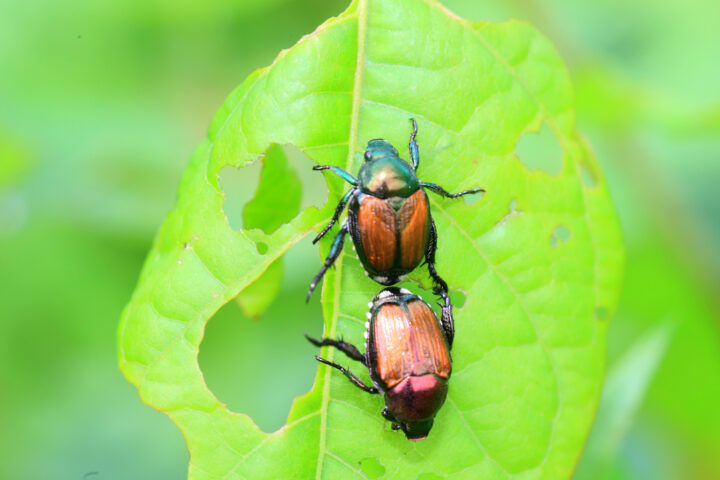
They are small, highly mobile and extremely persistent: invasive species are spreading increasingly across Switzerland. Whether it is the Japanese beetle, the Asian hornet or newly discovered ant species, these unwelcome guests threaten not only native ecosystems, but also agriculture and residential areas. There is an urgent need for pesticides – including biocides and plant protection products – to combat these pests effectively.

Neither Left nor Right: Forward!
In climate, energy, and agricultural policy, beliefs often take precedence over facts. The American think tank The Breakthrough Institute demonstrates a different approach: embracing disagreement, evaluating technologies with an open mind, and viewing productivity as an ally of environmental protection.