

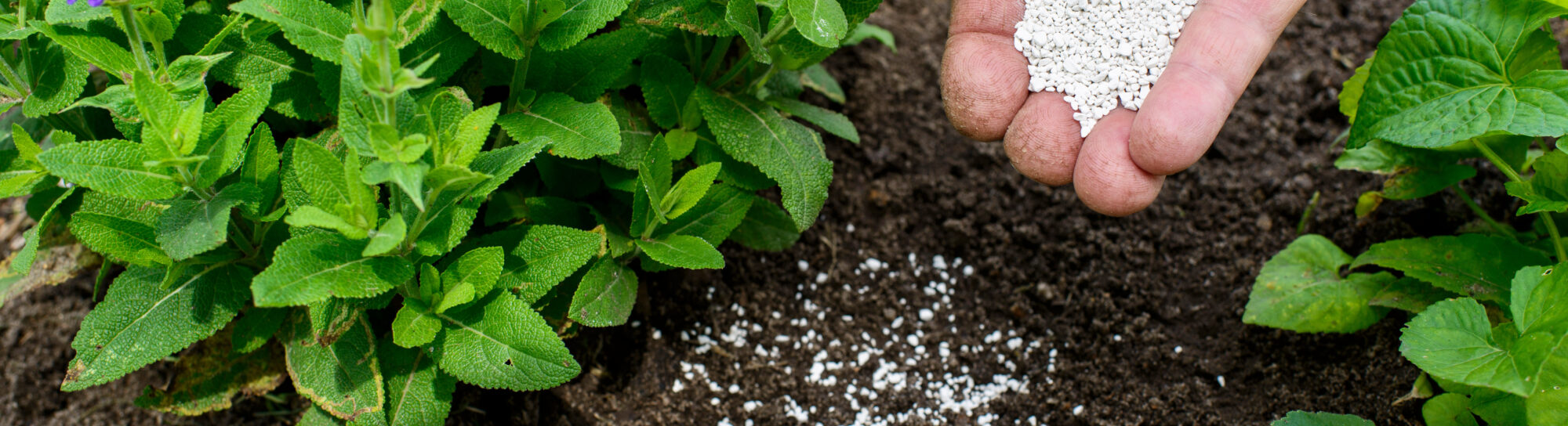
Fertiliser crisis hits Europe – what about Switzerland?
The war in Iran is driving up fertiliser prices, and Europe is facing a potential supply gap. Switzerland remains calm for the moment – and with good reason.
Published: 12.06.2026, 09:43 | Updated: 12.08.2026, 16:19
Around one-third of the global trade in nitrogen-based fertilisers passes through the Strait of Hormuz. The ongoing blockade of the strait due to the war in Iran has been pushing fertiliser prices upward for months. What initially threatened poorer regions of the world is now increasingly affecting Europe as well.
The background: Modern arable crop yields depend directly on mineral fertilisers. If nitrogen fertilisers fail or become significantly more expensive, yields drop – and with them the availability of grain and animal feed.
The situation is therefore escalating. The EU found itself forced to respond to the looming shortages with its own fertiliser action plan. It is intended to relieve agricultural businesses in the short term, while at the same time strengthening domestic fertiliser production and reducing dependence on imports. As an EU Commission spokesperson explained, past wars and crises have shown that the price shock on the fertiliser market reaches grocery stores six to twelve months later. The coming months will therefore be tense or simply expensive.
And nitrogen is apparently just the beginning. As the agricultural journal Agrarzeitung warns, the next shortage could loom as early as 2027 – this time involving sulphur and phosphorus, two other fundamental building blocks of fertiliser. These bottlenecks are likely to preoccupy the industry for some time.
Strategic stockpiling pays off
And Switzerland? Fertiliser prices have risen here too. However, according to the Federal Office for Economic National Supply (FONES), there is currently no sign of a supply disruption in Switzerland. The reason is preparation: Switzerland maintains compulsory stockpiles of nitrogen fertilisers, which can be drawn upon if needed. While Europe’s farmers are waiting for emergency funds from Brussels, Switzerland has a buffer.
The lesson: Supply security is not a law of nature. It rests on resilient supply chains, domestic production, and pragmatic rather than ideological politics. A productive agricultural sector and a functioning upstream supply industry are strategic assets – not something to be regulated away. Compulsory stockpiles buy Switzerland time; the structural response is diversification and more efficient fertilisation. Anyone who wants food security must plan ahead. Switzerland has shown how it is done.
About swiss-food.ch
swiss-food.ch is an information platform run by the research-based food and agricultural technology sector, bundling fact-based content on nutrition, agriculture, crop protection, and biotechnology. The articles are editorially prepared, and the sources used are linked within the text. The platform is supported by Syngenta and Bayer.
Sources
Parkinson's, Tariffs, Hormuz: Bayer CEO Bill Anderson on Global Risks
swiss-food.ch - The Chokepoint of Hunger: How the Crisis in the Gulf is Rocking World Markets
Commission Presents Plan to Safeguard Fertiliser Supply and Food Security in Europe
EU with Action Plan Against High Fertiliser Prices | tagesschau.de
René Rempt Advises: Forget Nitrogen, the Real Crisis of 2027 is Sulphuric Acid
Kindly note:
We, a non-native editorial team value clear and faultless communication. At times we have to prioritize speed over perfection, utilizing tools, that are still learning.
We are deepL sorry for any observed stylistic or spelling errors.
Related articles
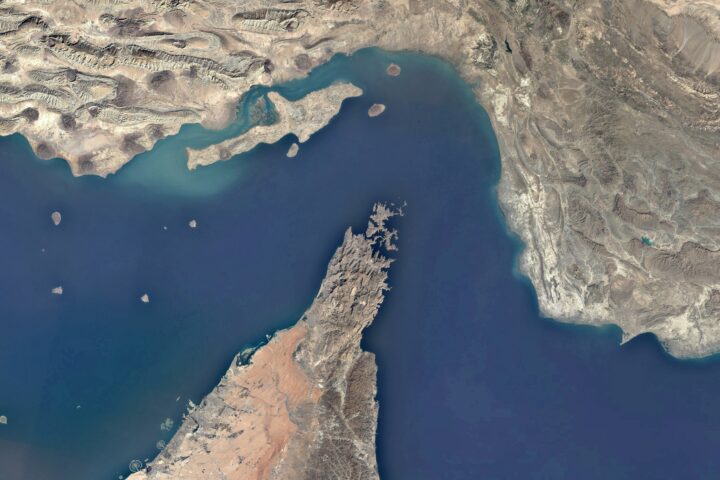
The bottleneck of hunger: How the crisis in the Gulf is shaking global markets
While heating oil prices in Switzerland are on a rollercoaster, a far greater catastrophe is looming elsewhere. The blockage of the Strait of Hormuz is not only cutting off oil supplies, but also disrupting the global lifeline for fertilizers – with devastating consequences for global food security.
«Biologicals» – biologically active substances from research
Modern crop protection products must be safe, targeted and short-lived – i.e. degraded shortly after reaching their target – without leaving behind biologically active degradation products.
Content in German
Myths about food production
Having the “right” diet is playing an increasingly more important role in the lives of a great many people. A healthy lifestyle has become a status symbol. Healthy foods and sustainable production methods have been the subject of many extremely emotional debates. A wide range of outdated ideas and myths have taken root in the minds of a large number of consumers. Below, we will take a look at some myths and their deconstruction.
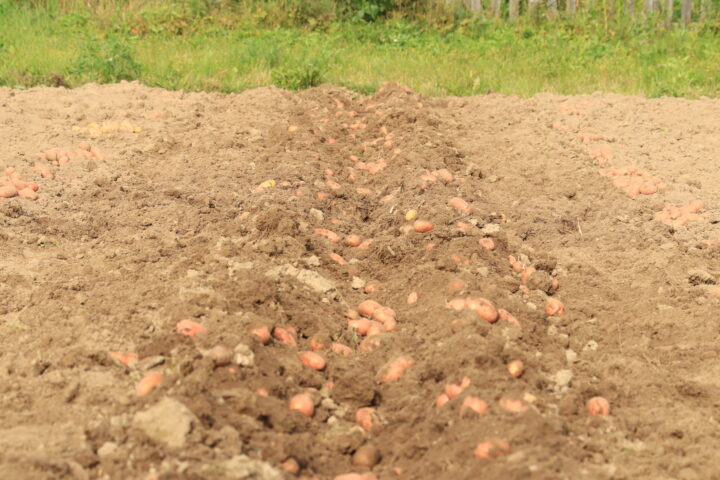
Record low potato harvest: Why is the Federal Council standing still?
The hot summer of 2026 caused the lowest potato harvest in Switzerland since records began a century ago. To secure domestic supply and build climate resilience, the agricultural sector is calling for swift access to new breeding technologies, which are already being authorized in the European Union. However, the Federal Council has delayed the corresponding draft legislation until 2027.
Legionella, Japanese beetles, and market turbulences: What are the consequences of the dry heatwave summer 2026?
How do persistent heat and drought in the summer of 2026 impact health, agriculture, and the economy? The summer of 2026 exemplifies how heat and dry conditions are becoming a threat across various areas: from cooling systems and livestock housing to crops and consumer wallets.

Unwanted Invaders: Why Pesticides Are Essential in the Fight Against Invasive Species
They are small, highly mobile and extremely persistent: invasive species are spreading increasingly across Switzerland. Whether it is the Japanese beetle, the Asian hornet or newly discovered ant species, these unwelcome guests threaten not only native ecosystems, but also agriculture and residential areas. There is an urgent need for pesticides – including biocides and plant protection products – to combat these pests effectively.

What can the CRISPR gene scissors do – and what not (yet)?
Since 2012, CRISPR/Cas has made it possible to alter plant DNA precisely, purposefully, and relatively cheaply. Applications ready for use today primarily include disease resistance, improved quality such as taste and nutritional value, and accelerated breeding. In contrast, complex traits like drought tolerance remain difficult because many genes are involved.