

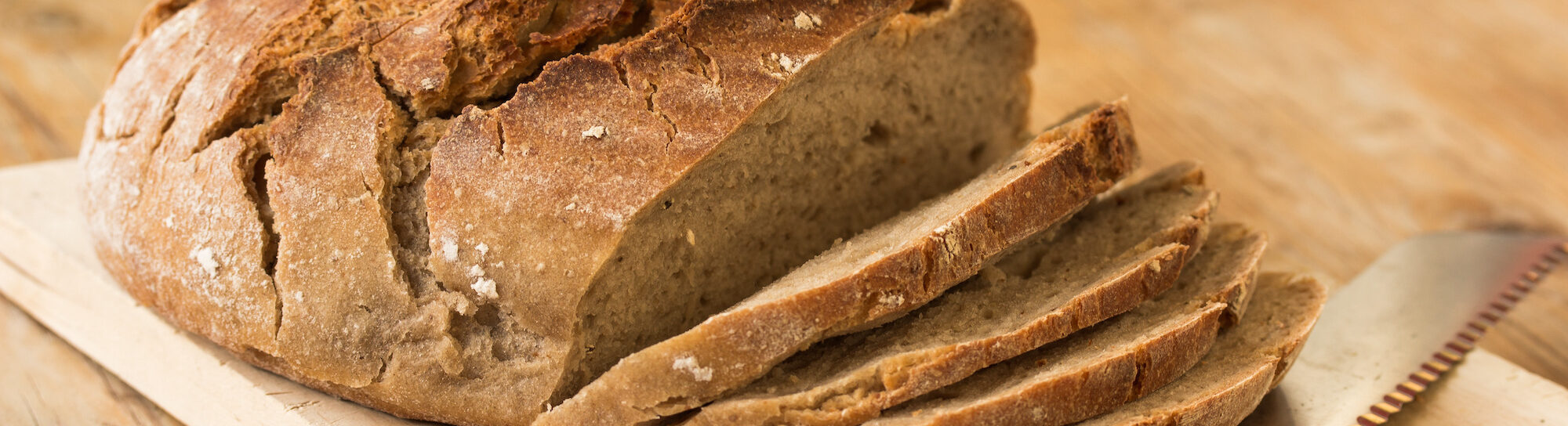
Switzerland needs to import more bread grain
The industry organisation Swiss Granum has applied to the Federal Government for an increase in the import quota for bread grain. Last year's domestic crop yields and stocks are not sufficient to meet this year's demand.
Published: 22.03.2022, 14:46 | Updated: 11.08.2022, 14:36
As "foodaktuell" writes, Swiss Granum has requested an increase of 40,000 tonnes in the tariff quota for bread grain. However, this is not related to the armed conflict in Ukraine. The reason for this is the poor Swiss grain harvest, which resulted in around 30 per cent less bread grain ready for baking in 2021. In normal years, the domestic harvests together with an import quota of a maximum of 70,000 tonnes are sufficient to cover the annual demand of around 480,000 tonnes. Now the stocks are not sufficient to last until the next harvests. This is especially true for the bread wheat classes Top and I, for spelt and also organic bread grain.
Imports secure supply
As Swiss Granum writes in its press release, Switzerland's security of supply is ensured by domestic harvests and compulsory stocks. This also applies in the event of a further worsening of the crisis. It is true that security of supply is assured. However, it should be kept in mind that this is mainly the case thanks to imports. Thanks to its great financial strength, Switzerland can cope with higher prices on the world market. The question of whether it is also ethical to cut production at home and import missing yields while there are shortages elsewhere in the world may at least be asked. In an interview with the "NZZ", Bayer CEO Werner Baumann says: "We are already in the middle of a grain supply crisis." Using our fertile soils to grow food is also a question of global solidarity. It requires looking beyond one's own nose.
Blindspot article
Sources
Related articles
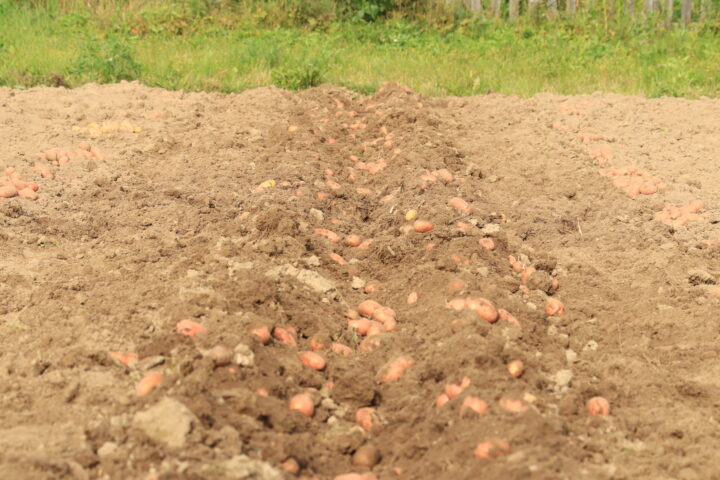
Record low potato harvest: Why is the Federal Council standing still?
The hot summer of 2026 caused the lowest potato harvest in Switzerland since records began a century ago. To secure domestic supply and build climate resilience, the agricultural sector is calling for swift access to new breeding technologies, which are already being authorized in the European Union. However, the Federal Council has delayed the corresponding draft legislation until 2027.

Legionella, Japanese beetles, and market turbulences: What are the consequences of the dry heatwave summer 2026?
How do persistent heat and drought in the summer of 2026 impact health, agriculture, and the economy? The summer of 2026 exemplifies how heat and dry conditions are becoming a threat across various areas: from cooling systems and livestock housing to crops and consumer wallets.
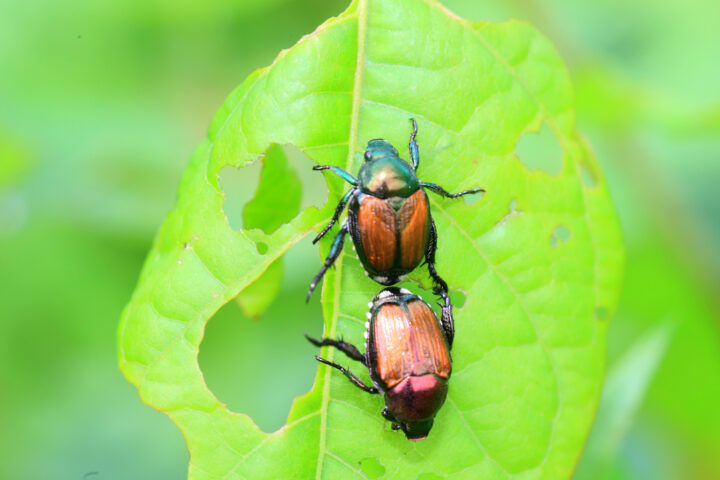
Unwanted Invaders: Why Pesticides Are Essential in the Fight Against Invasive Species
They are small, highly mobile and extremely persistent: invasive species are spreading increasingly across Switzerland. Whether it is the Japanese beetle, the Asian hornet or newly discovered ant species, these unwelcome guests threaten not only native ecosystems, but also agriculture and residential areas. There is an urgent need for pesticides – including biocides and plant protection products – to combat these pests effectively.

What can the CRISPR gene scissors do – and what not (yet)?
Since 2012, CRISPR/Cas has made it possible to alter plant DNA precisely, purposefully, and relatively cheaply. Applications ready for use today primarily include disease resistance, improved quality such as taste and nutritional value, and accelerated breeding. In contrast, complex traits like drought tolerance remain difficult because many genes are involved.