

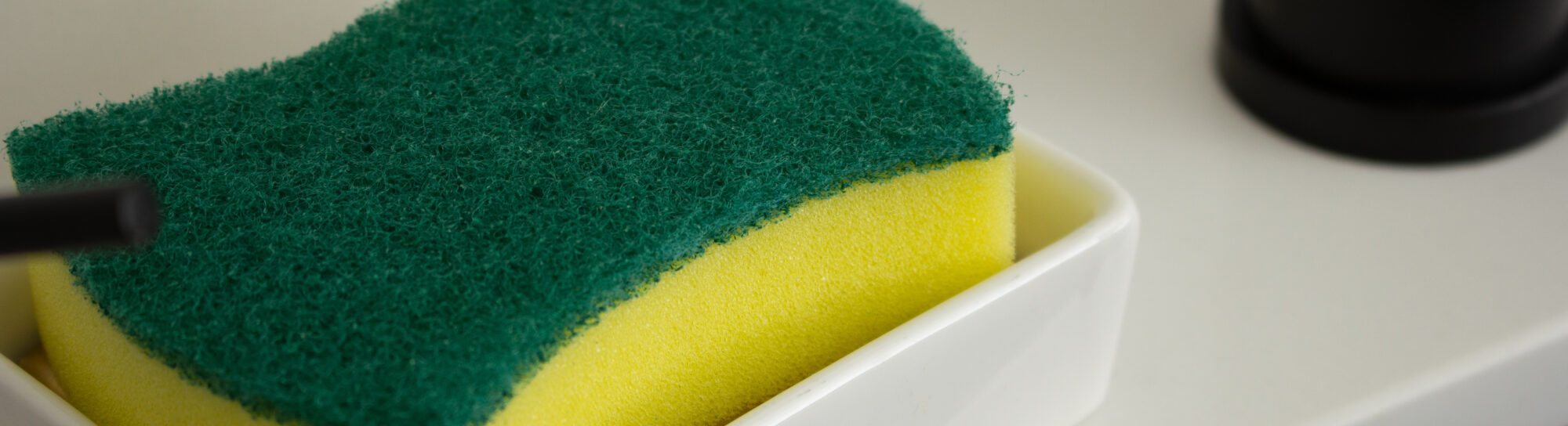
Kitchen Sponges and Pesticides
Organic instead of pesticides, washing dishes by hand instead of using the dishwasher, as little “chemistry” as possible: Aunt Monika lives in a consistently eco-conscious way. Yet her beloved kitchen sponge harbors billions of bacteria — including dangerous pathogens. Why our fears are often directed at the wrong things.
Wednesday, May 13, 2026
Aunt Monika votes Green. Out of conviction, because in her view it is the only party that actually does something for the environment. Aunt Monika also lives in a very environmentally conscious way. She eats only organic food because of pesticide residues, and when it comes to meat (“vegan would be better,” she sighs, “but I just can’t give it up”), she also insists on organic products because of animal welfare and antibiotic residues. After all, she doesn’t want to get sick. She is equally consistent in other areas: she practically no longer uses the dishwasher (“too much water, too many chemicals, rinse aid, salt, and who knows what’s in those detergent tabs!”). She washes dishes with a sponge. And because she is frugal, she uses her dish sponge for a very long time — until the green scrubbing side is completely worn away.
There is little point in arguing with her. I look at the sponge and think of a study published in 2017. It came from the laboratory of Dr. Markus Egert, Professor of Microbiology and Hygiene at Furtwangen University, and bears the harmless title “Microbiome analysis and confocal microscopy of used kitchen sponges.” But the paper is anything but harmless.
Egert and his team found that kitchen sponges left slightly damp beside or in the sink — like Aunt Monika’s (the very same sink in which she washes dangerous pesticide residues off her fruit and vegetables) — contained around 54 billion bacteria per cubic centimeter. That is six times more microbes per cubic centimeter than there are people on Earth, and almost exactly as many as are found in human feces.
And what kinds of bacteria! The researchers identified 362 different species, including a whole host of pathogens: Salmonella and Staphylococcus, strains of Campylobacter, Enterobacter cloacae, Escherichia coli, Klebsiella, and Proteus. These can cause diarrhea, blood poisoning, pneumonia, wound and skin infections, urinary tract infections — many of them are notorious causes of hospital-acquired infections.
These microbes thrive in sponges: the cavities provide ample space for colonization, leftover food supplies plenty of carbohydrates, fats, and proteins, the dishwater creates a comfortable temperature, and the environment remains constantly moist because no sponge ever dries completely between uses. Most of the time, the sponge is also used in between washing dishes to quickly wipe down a surface.
Every time Aunt Monika does this, she spreads bacteria across the kitchen counter, onto her hands, and onto everything she touches afterward. And of course, via the sink, onto the fruit and vegetables she is trying so carefully to wash clean and healthy.
As early as 2011, the U.S. National Science Foundation found that the kitchen is the least hygienic place in a home — not the bathroom or toilet, but the kitchen, led by the kitchen sponge, followed by the sink, countertops, and cutting boards. Bathroom items only came afterward. It was no coincidence that Prof. Andreas Hensel, head of the German Federal Institute for Risk Assessment, put it very bluntly in a 2017 interview: “A carrot that accidentally falls into the toilet while you are peeling it can usually still be eaten. But if it falls into the sink, you’d better not take a bite.”
To disinfect the sponges, neither boiling water nor heating them in the microwave is sufficient. Egert’s team found that while these methods kill many bacteria, some survive — and this effectively breeds especially robust strains. Worse still, it selectively concentrates pathogenic strains because they are naturally more stress-tolerant.
The hygienist recommends using sponges for no longer than one week before replacing them. Norwegian microbiologists go one step further and advise switching to dish brushes altogether. Some already come with antibacterial bristles. But even conventional brushes are better than sponges: they offer less surface area for bacteria and dry relatively quickly when hung up after use. Better still, simply put them in the dishwasher together with the dirty dishes. Afterward, they are germ-free.
Aunt Monika thinks all of this is nonsense. After all, she has been doing things this way for decades. And because she eats only organic food, she says she has a strong immune system.
“You just want to distract from the toxic residues, which are a huge danger to health!” I point out that she also has a liver. But she dismisses the argument. “Yes, but it only knows how to deal with natural toxins — artificially produced chemicals are foreign to it.” But that is another topic.
Legionella: The Underestimated Danger in the Home
Cleaning sponges are, of course, not the only places in the household where bacteria can live long and happy lives. As the Swiss Federal Food Safety and Veterinary Office (FSVO) recently reminded the public, the water in our sanitary systems is not risk-free either. Specifically, the concern is about so-called legionella bacteria, which occur naturally in water. These bacteria can cause Legionnaires’ disease, a severe form of pneumonia, or the milder Pontiac fever. For more than two decades, the Federal Office of Public Health (FOPH) has recorded increasing numbers of Legionnaires’ disease cases each year. The rising figures prompted the FSVO to investigate the issue more closely.
One well-known transmission route is the inhalation of aerosols from shower water contaminated with legionella — especially Legionella pneumophila. However, the available data suggest that showers in Switzerland are not the most important source of infection. Other environmental factors may play a larger role. More research is clearly needed.
What is clear, however, is that modern systems in particular face a conflict between energy saving and hygiene. Temperatures that are too low in water boilers create ideal conditions for legionella. That is why the Swiss authorities generally recommend water temperatures above 55 degrees Celsius in relevant circulation systems. So don’t save energy in the wrong place — it could come back to haunt you!
Author of the article: Ludger Weß, PhD in biochemistry and science journalist. As an expert in agricultural research, he is committed to a fact-based debate on new breeding technologies.
Kindly note:
We, a non-native editorial team value clear and faultless communication. At times we have to prioritize speed over perfection, utilizing tools, that are still learning.
We are deepL sorry for any observed stylistic or spelling errors.
Related articles

Natural is naturally dangerous – Why the plant's own poisons are underestimated
Many believe that natural foods are safer than those with synthetic pesticides. But plants produce their own poisons – and these are often just as risky. While artificial residues are regulated, natural defences are largely ignored. A fallacy, as scientist Bruce Ames shows.
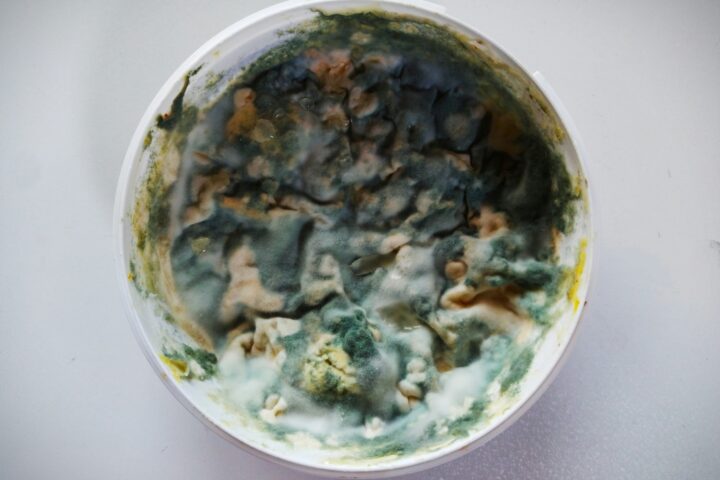
Natural Toxins: An Underestimated Risk in Our Food
Safe food cannot be taken for granted. While chemical substances are often the focus of public criticism, reality shows that the greatest risks to food safety are of natural origin. Recent recalls of infant food products illustrate how insidious bacterial toxins or moulds can be.
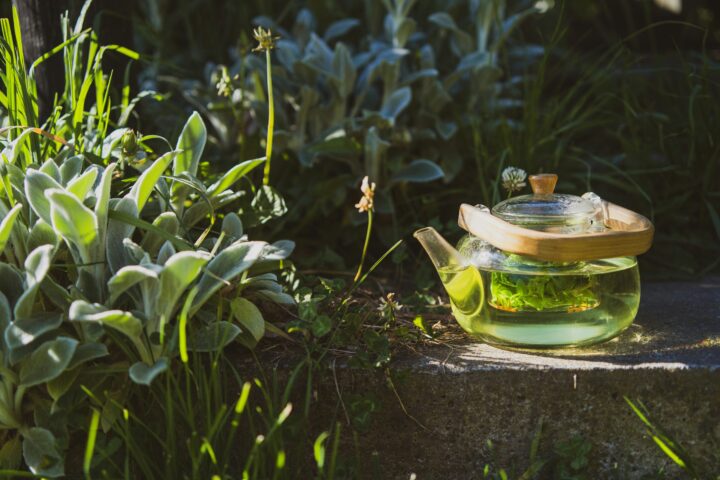
Herbal Teas: Making You Sick Instead of Slim
Plant protection products are frequently the focus of public criticism. Far less attention is paid to the fact that natural ingredients in teas and dietary supplements are also biologically active and can pose health risks.
Myths about food production
Having the “right” diet is playing an increasingly more important role in the lives of a great many people. A healthy lifestyle has become a status symbol. Healthy foods and sustainable production methods have been the subject of many extremely emotional debates. A wide range of outdated ideas and myths have taken root in the minds of a large number of consumers. Below, we will take a look at some myths and their deconstruction.

'Smallholder farmers produce 70% of the world’s food'
It sounds impressive and has been repeated for years. In 2026, the claim is once again being promoted by Fastenaktion: 'Smallholder farmers form the backbone of global food production.'
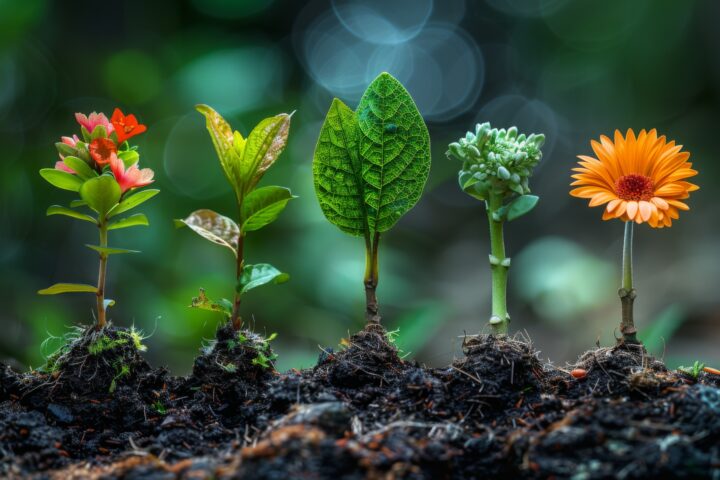
'Plant genetic diversity is disappearing'
It sounds alarming, has been repeated for years, and in 2026 was again claimed by the Fastenaktion organization: 'According to the Food and Agriculture Organization (FAO), more than 75 percent of plant genetic diversity has been lost over the past hundred years.'

Genetic Engineering in Everyday Swiss Life – “There’s a Gene in Everything!”
The genetic engineering moratorium in place since 2005 gives the impression that Switzerland is largely free of genetic engineering. However, a closer look shows that genetic engineering has long since become part of our everyday lives – we just usually don’t notice it.