

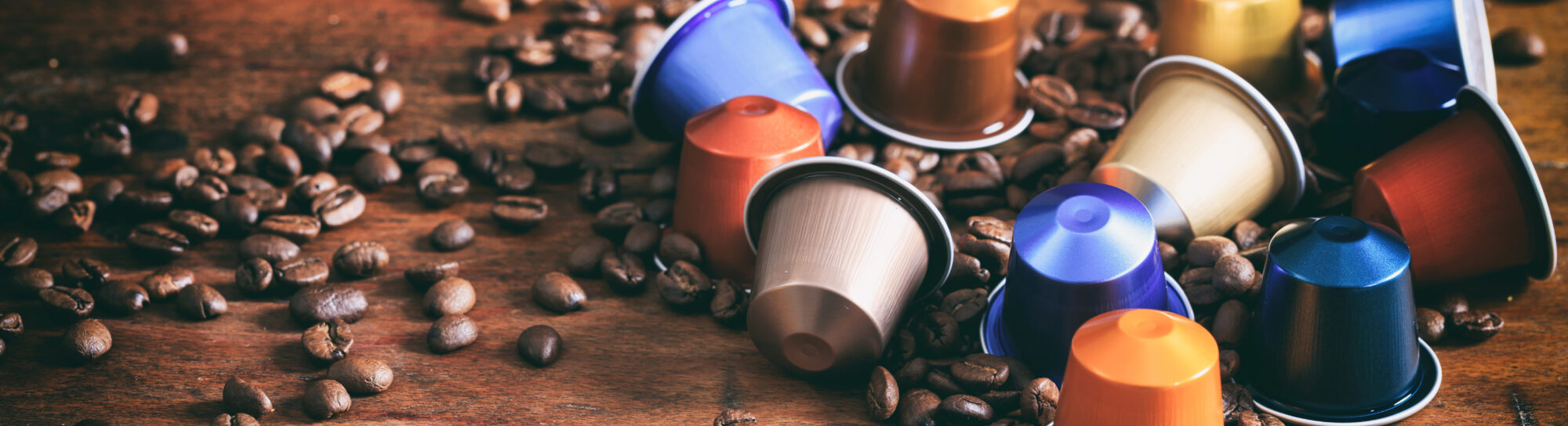
The EU's Misguided Ban on Coffee Capsules
The EU is contemplating a ban on coffee capsules, with a draft legislation already put forward by the EU Commission. Should this law pass, only compostable coffee capsules would be permitted. While this move initially seems like a positive step against packaging waste, a closer look reveals it might not be beneficial for the environment. As highlighted by "NZZ", coffee capsules actually boast a more environmentally friendly footprint compared to other coffee preparation methods. This scenario underscores the importance of a holistic approach to environmental protection.
Published: 26.05.2023, 11:29
Switzerland stands out in global rankings, with its residents consuming an impressive 1,100 cups of coffee per person annually. While precise figures aren't available, a significant number of these cups probably come from plastic or aluminum capsules. Despite their popularity, these capsules have garnered criticism for their environmental impact, primarily because many end up as waste. Citing this, the "Neue Zürcher Zeitung" notes the EU's intention to prohibit these capsules. The proposed EU legislation would only permit compostable capsule systems in the future. This begs the question: Are coffee capsules truly as environmentally detrimental as widely believed?
Coffee capsules: Not As Bad As Perceived
Contrary to popular belief, "Neue Zürcher Zeitung" references multiple studies indicating that coffee capsules, whether made of aluminum or plastic, may have a comparable or even lower environmental impact than other coffee-making methods. For instance, research from the University of Quebec suggests that coffee from capsules is more eco-friendly than alternatives like filter or press coffee. This is attributed to the precise amount of coffee and energy used for each cup. Capsule systems use an exact amount of coffee and heat only the necessary water for a single cup, ensuring minimal waste.
It's Not Just About the Packaging
Echoing these findings, a Swiss study comparing the environmental impact of various coffee preparation methods - including automatic machines, coffee capsules, filter coffee, and moka pots - revealed that capsules might not be the villains they're made out to be. Throughout the entire lifecycle of coffee, capsules were found to be just as eco-friendly as filter coffee. In contrast, fully automatic machines had the most significant environmental impact, emitting around 30% more greenhouse gases than capsules. While packaging does contribute to a product's environmental footprint, its impact is overshadowed by factors like cultivation and preparation methods. Even though capsule packaging comprises about 15% of its environmental impact, the benefits of reduced coffee wastage and efficient machines balance it out.
A Broader Perspective on Sustainability
The widely held belief that coffee capsules are major environmental culprits is somewhat misplaced. By aiming to ban them, the EU might be taking a step backward. While the idea of switching to compostable capsules sounds good, its feasibility is uncertain. Plus, countries like Germany would need to develop new recycling infrastructures, as compostable capsules currently aren't allowed in their organic waste bins. This situation serves as a reminder that true sustainability requires considering multiple angles. Such comprehensive thinking should shape long-term policy decisions, rather than hasty bans lacking robust scientific backing. This lesson is applicable not just to coffee capsules but to broader issues like agriculture.
"Compostable" - but not necessarily suitable for home compost heaps
Many homeowners tend to their compost heaps, using home compost made from household waste as valuable fertilizer, and even growing pumpkins, for example, on these heaps. However, not everything labeled as "compostable" is necessarily suitable for home compost heaps. SRF is taking advantage of the EU directive to investigate the compostability of coffee capsules, as many of them do not decompose. This issue also applies to industrial composting plants. Consequently, it is anticipated that there will be disposal strategies developed for all types of coffee capsules.
Kindly note:
We, a non-native editorial team value clear and faultless communication. At times we have to prioritize speed over perfection, utilizing tools, that are still learning.
We are deepL sorry for any observed stylistic or spelling errors.
Related articles
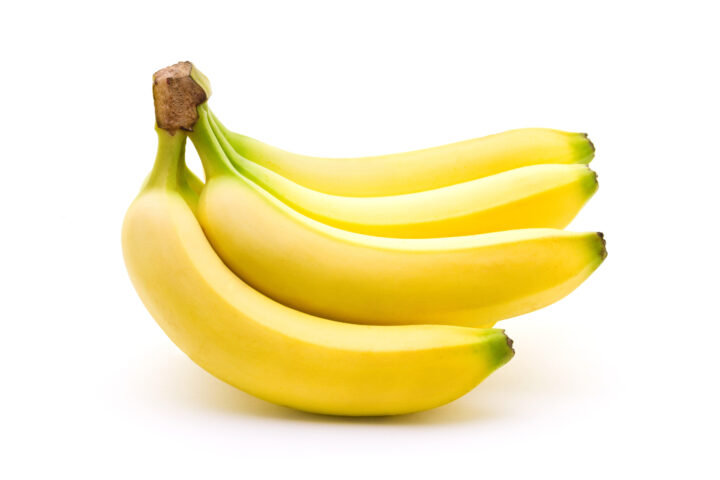
Anti-Food Waste Banana
British biotech company Tropic has developed a banana using CRISPR/Cas gene editing that no longer turns brown. In the US, it is already on the market, while in England, it has passed the decisive regulatory hurdle. The same technology could also help save the world's most popular banana from extinction.
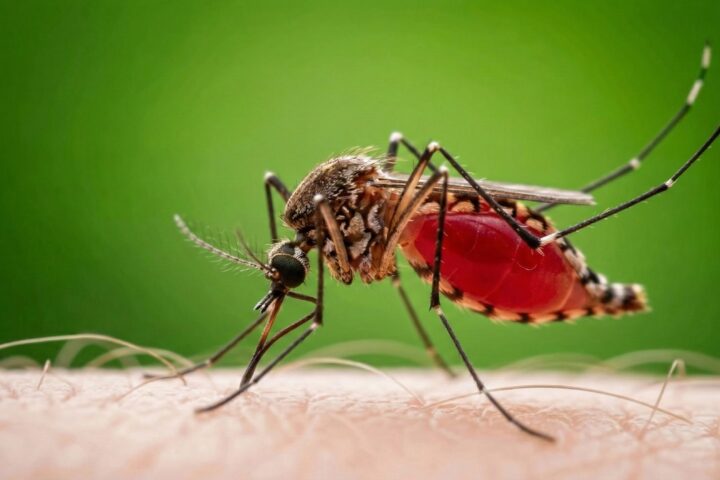
Asian Tiger Mosquito: Federal Government Implements Action Plan – But Insecticides Remain Taboo
Invasive species such as the Asian tiger mosquito are increasingly spreading across Switzerland. The federal government is sounding the alarm and wants to put a stop to the mosquito with a national action plan. However, the most effective measure is being left out: insecticides.
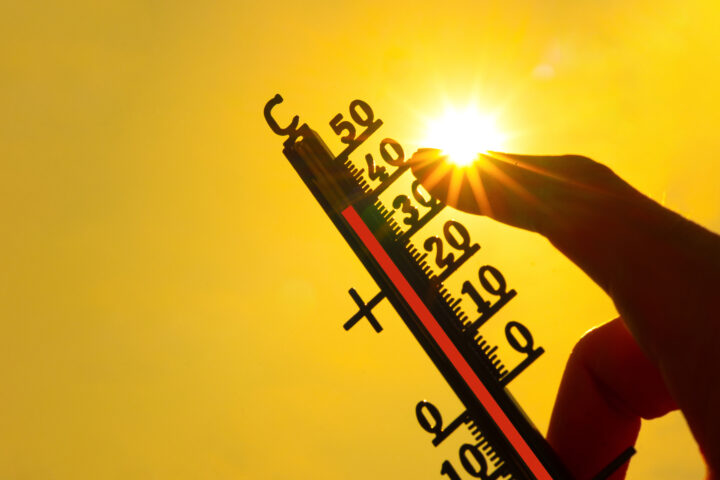
Record Heat 2026: Why Agriculture Needs Resilient Crop Varieties
Heat, drought, and hail took a heavy toll on Swiss farmers in 2026. In an interview with the NZZ, Adrian Aebi, head of Switzerland's largest crop insurer, warns: "If we carry on like this, agriculture will bleed dry." Looking to the future, there is an urgent need for resilient crop varieties that can withstand heat and dry conditions.
Record low potato harvest: Why is the Federal Council standing still?
The hot summer of 2026 caused the lowest potato harvest in Switzerland since records began a century ago. To secure domestic supply and build climate resilience, the agricultural sector is calling for swift access to new breeding technologies, which are already being authorized in the European Union. However, the Federal Council has delayed the corresponding draft legislation until 2027.