

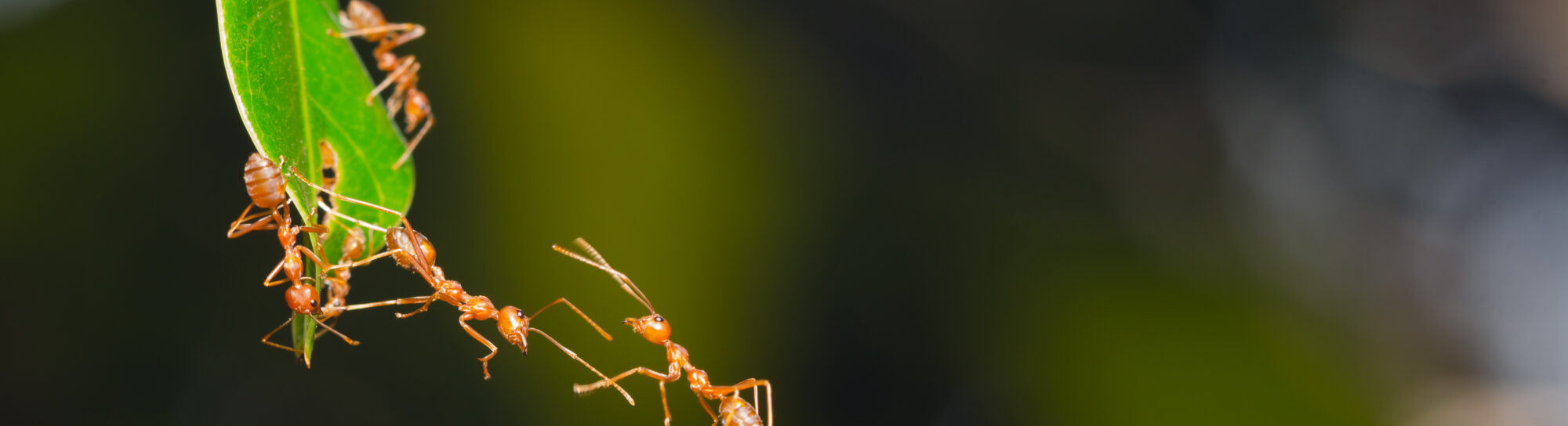
Ant infestation threatens Zurich communities
An invasive ant from the Mediterranean region is spreading rapidly in the canton of Zurich, threatening communities, construction projects, and agriculture. Insecticides could help—but their use remains severely restricted.
Published: 01.09.2025, 00:00 | Updated: 25.09.2025, 13:25
They may be tiny, but they pose enormous challenges for the authorities: we are talking about the Tapinoma ant. As reported by SRF Regionaljournal, this invasive insect from the Mediterranean region is currently keeping several communities in the canton of Zurich on their toes. The reason: the ant forms so-called supercolonies. While native species usually live in groups of a few thousand, Tapinoma colonies number in the millions.
Since their first discovery in Switzerland in 2018, the species has been spreading inexorably. Of 15 infested areas in the canton of Zurich, the ants have so far only been successfully eradicated from seven. In four areas – including Winterthur, Oetwil an der Limmat, Oberengstringen, and Volketswil – the infestation is now widespread.
The speed at which the ant colonies can spread is exemplified in Oetwil an der Limmat, where the affected area has expanded from one to five hectares within five years. This corresponds to the area of seven soccer fields.
Ants threaten three billion franc construction project
The damage is considerable. The tiny creatures regularly cause power outages by crawling into distribution boxes and wreaking havoc there. In Winterthur, they are even jeopardizing a billion-franc project by Swiss Federal Railways (SBB). According to the Tages-Anzeiger newspaper, the ants have spread to the very spot where SBB wants to build a nearly three-billion-franc underpass. The tunnel is part of the “Mehrspur” rail project and, together with the Brüttener Tunnel, is intended to alleviate the bottleneck at Effretikon.
But how do these tiny creatures manage to cause such enormous damage? The creatures undermine the ground to build their nests, which can cause slopes to erode, among other things, as the Limmattaler Zeitung explains.
To get the pest under control, local authorities are using insecticides. In Oetwil an der Limmat, specialists are combating the ants with targeted biocide applications in the nests. This allows the insects to be controlled effectively and efficiently.
And there is another problem: by law, insecticides may only be used at the edges of agricultural land.
From the producers' point of view, it is incomprehensible that legislators continue to prevent the widespread use of effective agents against invasive pests on agricultural land. The fact is that invasive species can cause massive damage – not only to infrastructure, but also to native crops. Introduced or imported species such as neozoa (animals) and neophytes (plants) are increasingly threatening our biodiversity. This also applies to the Tapinoma ant, which is displacing native ant species. It is inconceivable that around 40 percent of crop yields worldwide are lost each year due to pests and diseases. It is difficult to imagine how high the losses would be if modern plant protection measures were completely abandoned.
Invasive pests on the rise
Invasive pests pose a growing threat to Swiss agriculture and biodiversity. Global trade, climate change, and travel are bringing more and more alien species into Switzerland, causing considerable damage to cultivated and wild plants.
Examples include the Japanese beetle, which is spreading rapidly and endangering native crops, and the Asian hornet, which poses a serious threat to honey bees. Other invasive pests such as the chestnut gall wasp, the cherry vinegar fly, and the Asian longhorn beetle are causing increasing concern for farmers and conservationists.
Protecting plants from these threats remains one of the greatest challenges of our time. Effective plant protection products, practical control strategies, and consistent monitoring are essential to curb the spread of these pests.
If you are looking at the ant nest in your garden with concern and wondering whether these are native ants or invasive Tapinoma ants, Iseli has two tips for you. First: take a close look. If the ants are all about the same size, they are probably a native species. Tapinoma ants can vary in size, ranging from 3 to 5 millimeters. Secondly, take a close sniff. When Tapinoma ants are crushed, they give off a characteristic chemical-sweet smell reminiscent of blue cheese.
You should also pay attention if plants have recently been planted in the area. This is because Tapinoma ants are spreading in Europe mainly through the trade in Mediterranean plants. Palm trees and olive trees transported in large pots with soil are particularly risky. This is because small ant nests can hide in the soil and thus reach a new location. Many new occurrences in Germany and Switzerland have been traced back to infested garden centers.
Sources
Kindly note:
We, a non-native editorial team value clear and faultless communication. At times we have to prioritize speed over perfection, utilizing tools, that are still learning.
We are deepL sorry for any observed stylistic or spelling errors.
Related articles
Record low potato harvest: Why is the Federal Council standing still?
The hot summer of 2026 caused the lowest potato harvest in Switzerland since records began a century ago. To secure domestic supply and build climate resilience, the agricultural sector is calling for swift access to new breeding technologies, which are already being authorized in the European Union. However, the Federal Council has delayed the corresponding draft legislation until 2027.

Legionella, Japanese beetles, and market turbulences: What are the consequences of the dry heatwave summer 2026?
How do persistent heat and drought in the summer of 2026 impact health, agriculture, and the economy? The summer of 2026 exemplifies how heat and dry conditions are becoming a threat across various areas: from cooling systems and livestock housing to crops and consumer wallets.
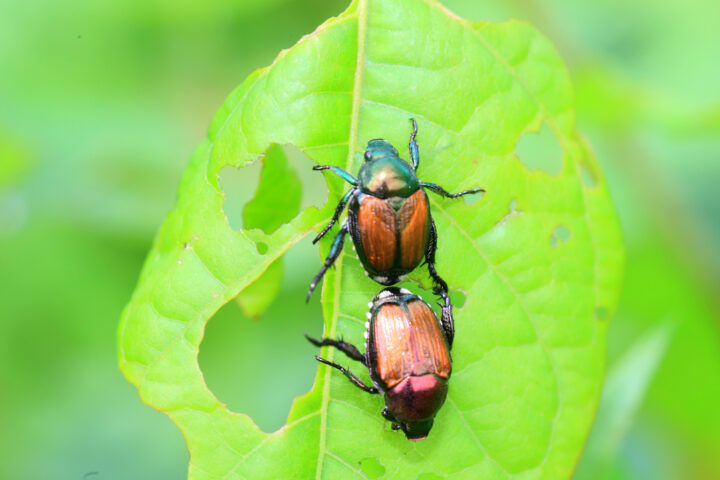
Unwanted Invaders: Why Pesticides Are Essential in the Fight Against Invasive Species
They are small, highly mobile and extremely persistent: invasive species are spreading increasingly across Switzerland. Whether it is the Japanese beetle, the Asian hornet or newly discovered ant species, these unwelcome guests threaten not only native ecosystems, but also agriculture and residential areas. There is an urgent need for pesticides – including biocides and plant protection products – to combat these pests effectively.

What can the CRISPR gene scissors do – and what not (yet)?
Since 2012, CRISPR/Cas has made it possible to alter plant DNA precisely, purposefully, and relatively cheaply. Applications ready for use today primarily include disease resistance, improved quality such as taste and nutritional value, and accelerated breeding. In contrast, complex traits like drought tolerance remain difficult because many genes are involved.