

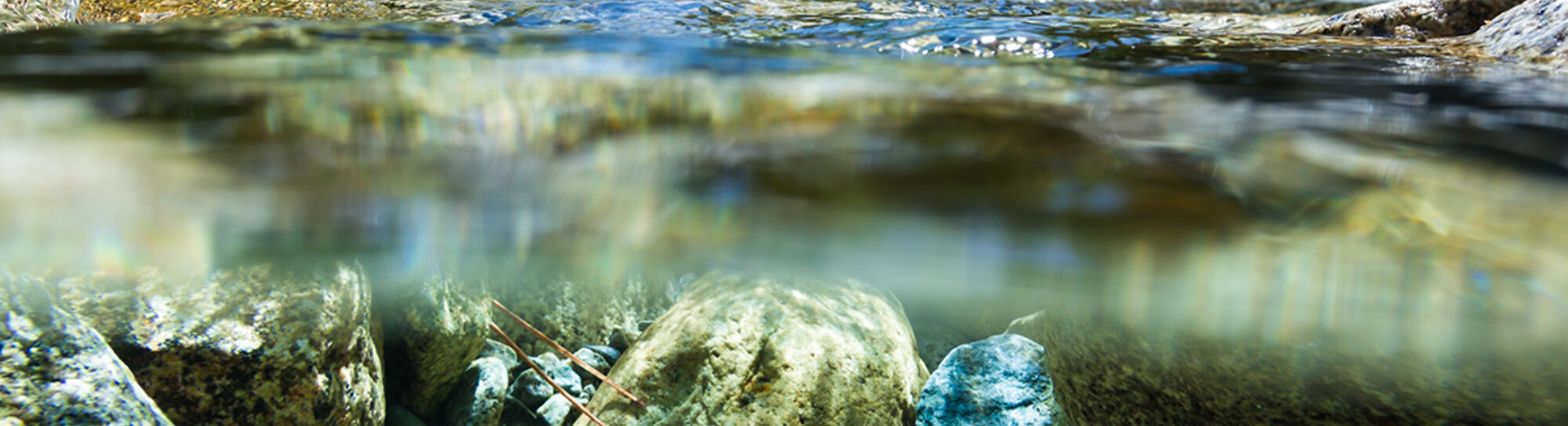
"Swiss water is in a bad way."
That's not actually true. Our surface waters, groundwater and drinking water are in very good condition. Our water quality tops international rankings. There cannot be any mention of poor Swiss water quality.
Saturday, November 2, 2019
In brief:
- Drinking water in Switzerland is of good quality.
- Water protection is a central priority topic in the Federal Council's national action plan on risk reduction and sustainable use of plant protection products.
- Agriculture, public authorities and industry are already working hard to continuously reduce unwanted entries. Research also makes an important contribution to making plant protection as targeted and sustainable as possible.
Water protection is rightly of great importance in Switzerland. The water quality is continuously monitored by means of a dense network of measuring points. The targets are extremely strict. Various authorities – including the Swiss Federal Food Safety and Veterinary Office and the Swiss Federal Office for the Environment – consider drinking water quality to be very good in Switzerland. According to the 2019 NAQUA National groundwater Monitoring Report, only two percent of groundwater measuring points in Switzerland are above the extremely strict limit of 0.1 microgram per liter for plant protection products and their degradation products.
Limit does not say anything about risk
However, this limit value is not derived from toxicological studies. It was set when it was not possible to measure more accurately. Values above the limit do not pose a health risk. The following example illustrates how strict the limit values are: According to the European Food Safety Authority, for example, the maximum permissible daily dose of chlorothalonil is 0.015 milligram per kilogram of body weight. A person weighing 90 kilograms would have to drink 13,500 liters of water in one day to reach this level.
Many people have the impression that there are major problems with water quality. This is demonstrably wrong. Today's measuring instruments are so highly developed that they can detect a cube of sugar in Lake Constance. In many cases, only very small concentrations of pollutants, which are far below the already very strict limit values, are detected. In the headlines, these are already misinterpreted as a dangerous hazard.
Blindspot article
Sales of pesticides declining
The public perception that drinking water quality is decreasing due to the increasing use of plant protection products in agriculture is wrong. This is also confirmed by the latest sales statistics from the Federal Government. The total amount of pesticides sold has been declining for years. Sales of plant protection products with particular risk potential have also fallen. In conventional agriculture, sales have fallen by 35 percent in the last ten years.
The correct and professional use of plant protection products is crucial for the further improvement of water quality. Erosion and leaching must be avoided. The filling, emptying and cleaning of crop protection spraying equipment must also be carried out professionally. In this respect, the suppliers of plant protection products are also providing successful support.
High quality drinking water
Water protection in Switzerland is a great success. Lakes and rivers are clean and invite you to swim. Our groundwater is also doing very well. It is important that the quality of the Swiss groundwater continues to allow the production of sufficient, perfect drinking water without any problems. 40% of the groundwater used for drinking water supply can be fed into the pipeline network without treatment. For the remaining 60%, simple disinfection is sufficient. This is a world-class figure and unthinkable in many countries (including in Europe).
Related articles
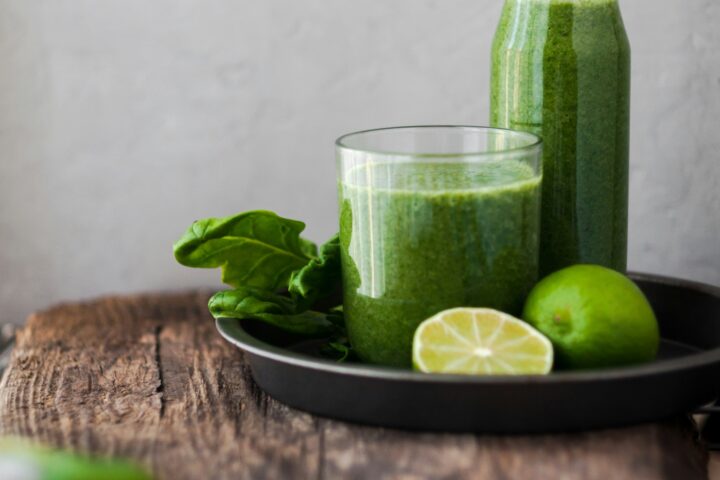
Pesticides in Green Smoothies
After countless recipes for Christmas cookies, festive roasts and cocktails, the advice on losing weight, detoxing and beautifying oneself now takes centre stage. Most of it is sheer nonsense.
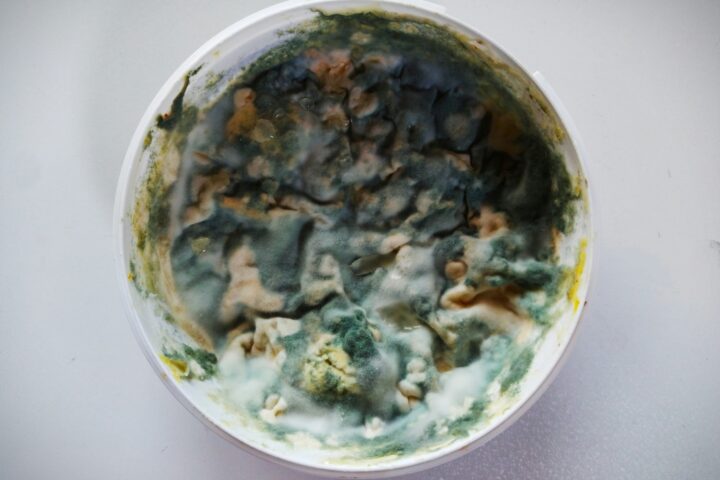
Natural Toxins: An Underestimated Risk in Our Food
Safe food cannot be taken for granted. While chemical substances are often the focus of public criticism, reality shows that the greatest risks to food safety are of natural origin. Recent recalls of infant food products illustrate how insidious bacterial toxins or moulds can be.
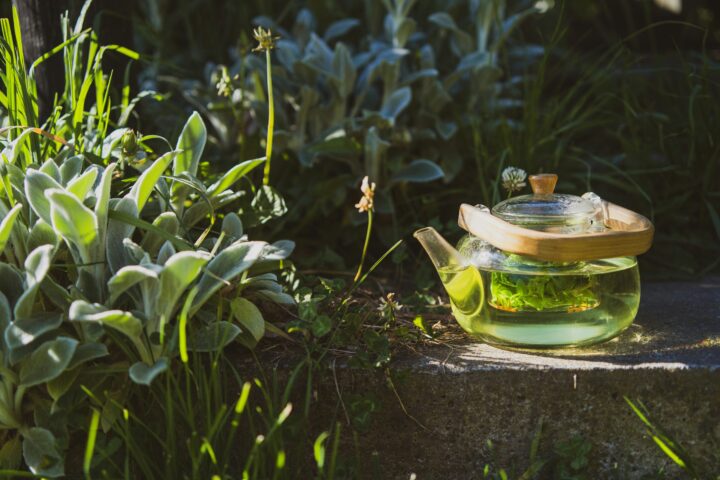
Herbal Teas: Making You Sick Instead of Slim
Plant protection products are frequently the focus of public criticism. Far less attention is paid to the fact that natural ingredients in teas and dietary supplements are also biologically active and can pose health risks.
Ensuring Food Security Through Innovation
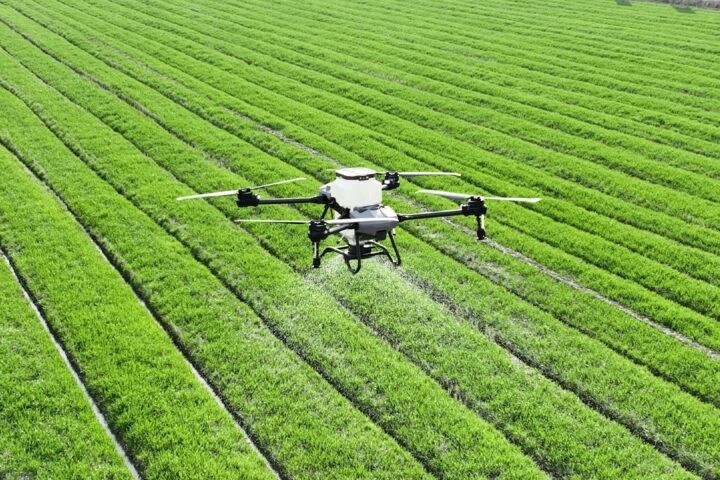
Agriculture stands at the centre of a global field of tension shaped by climate change, geopolitical crises and growing demand for food. Insights from the World Economic Forum in Davos show that the industry’s response lies in the intelligent combination of digital precision and biological progress.