


Unwanted Invaders: Why Pesticides Are Essential in the Fight Against Invasive Species
They are small, highly mobile and extremely persistent: invasive species are spreading increasingly across Switzerland. Whether it is the Japanese beetle, the Asian hornet or newly discovered ant species, these unwelcome guests threaten not only native ecosystems, but also agriculture and residential areas. There is an urgent need for pesticides – including biocides and plant protection products – to combat these pests effectively.
Published: 11.08.2026, 12:16
In brief
- Invasive species such as Tapinoma ants, Asian hornets, and Japanese beetles are spreading rapidly in Switzerland.
- A sharp increase is being recorded for the Asian hornet, with four times as many nests as in the previous year. Authorities and coordination centres urgently call on the public to report sightings and nests.
- Modern crop protection products and biocides are indispensable to effectively combat the Japanese beetle or the Asian hornet. Restrictions on the use of these agents play into the hands of invasive species and jeopardize the preservation of biodiversity.
- According to the Federal Office for Agriculture (FOAG), the Japanese beetle causes damage amounting to several hundred million Swiss francs per year.
- In addition to hornets and beetles, other invasive pests such as the Asian tiger mosquito, the chestnut gall wasp, the spotted wing drosophila, or the Asian longhorn beetle are causing growing concern for Swiss agriculture and conservationists.
The current situation is a wake-up call: as various reports show, numerous invasive species are on the rise in Switzerland and pose a growing threat. In several regions of the country, invasive Tapinoma ants have been discovered, forming vast supercolonies that put pressure not only on buildings but also on local ecosystems. This was reported, among others, by “Zürioberland24”. At the same time, authorities are reporting a sharp increase in Asian hornet nests. The insect is spreading rapidly. The “Aargauer Zeitung” even speaks of “four times more nests” than in the previous year.
According to the « Bauern Zeitung », Asian hornets are now also building their nests in traditional high-stem orchards and hedgerows. If a nest is discovered, it should under no circumstances be disturbed, says Marianne Tschuy of the Canton of Bern's Asian Hornet Coordination Office. Instead, the sighting should be reported via www.asiatischehornisse.ch. In the meantime, several cantons are also reporting the spread and sighting of the Asian hornet, such as the Canton of St. Gallen.
Although various startups are now developing traps to combat the Asian hornet, experts view them critically: the models currently available are not sufficiently selective. While they catch numerous insects, they trap comparatively few Asian hornets – and can thus also harm native species.
Asian Tiger Mosquito: Aggressive invader continues to spread
Due to warm weather and climate change, the Asian tiger mosquito is continuing to expand its reach in Switzerland and around Lake Constance. As reported by "Nau.ch", the mosquito was recently detected in Sissach (BL), where experts are now searching for breeding sites. SWR also reports a rise in cases, such as in Constance. The tiger mosquito is particularly aggressive, bites during the day unlike native mosquitoes, and can transmit tropical diseases like the dengue virus.
The insects prefer to lay their eggs in small pools of standing water, such as rain barrels or watering cans. While the public can help by emptying standing water, this alone is not enough to effectively stop the mosquitoes in towns and villages: the targeted use of pest control agents (biocides) remains indispensable.
Japanese Beetle causes damages running into millions of francs
As in previous years, the Japanese beetle is also continuing to spread. According to the "Berner Zeitung", the insect is making life difficult for winegrowers in Spiez, among others. According to the FOAG, damages amount to several hundred million francs per year. To further contain its spread, a watering ban has even been enacted in the affected areas.
Among those impacted are several municipalities in the Zurich Unterland. In Opfikon, Dietlikon, Bassersdorf, Lufingen, Winkel, Oberglatt, and Rümlang, watering lawns and green spaces is prohibited for several months. Anyone failing to comply with the ban faces a fine of up to 10,000 francs, as reported by the "Tages-Anzeiger".
Anyone who thinks they can violate the rules without consequences is mistaken. As the Department of Building and Public Works announced, cantonal staff are regularly patrolling the municipalities to ensure compliance with the regulations.
Plant Protection Products and Biocides Are Indispensable
As in recent years, the Japanese beetle also continues to spread. The insect is making life increasingly difficult for winegrowers in Spiez, as reported by the “Berner Zeitung”. To further stop its spread, irrigation bans have already been imposed in affected areas.
The fact that such species can establish themselves in Switzerland is a direct consequence of our globalised world. They “travel” with us – whether in private luggage, commercial goods or through the international plant trade. Since they often have no natural enemies in our region, they find ideal conditions here to reproduce unchecked.
The consequences for Switzerland are severe. The Asian hornet is decimating honeybee populations. The Japanese beetle feeds on meadows, gardens and agricultural crops. Invasive ants displace native species and severely disrupt ecological balance.
Combating invasive species is complex and often laborious. Once a population has become established, natural regulatory mechanisms are no longer sufficient. This is why authorities continue to rely on the active support of the public: sightings of Asian hornets should be reported. The Federal Office for Agriculture (FOAG) is also urging the public to remain vigilant through the campaign www.stop-japanese-beetle.ch: travellers are asked to carefully inspect vehicles and luggage before returning and remove any insects they find. Such measures have already helped keep the population in Ticino largely under control.
To effectively combat the Japanese beetle or the Asian hornet, we need modern plant protection products and biocides. Restrictions that prevent the use of these necessary tools play into the hands of invasive species and risk leaving us on the losing side in the long-term effort to preserve biodiversity.
Monitoring and Acting Instead of Standing By
Invasive species are a long-term challenge that is being accelerated further by climate change. To protect our agriculture and native ecosystems, we need pragmatic solutions instead of ideological blockades. Only through the consistent and professional use of modern plant protection products and control measures such as biocides can we effectively contain the spread of these pests and preserve biodiversity in the long run.
Invasive pests on the advance
Invasive pests pose a growing threat to Swiss agriculture and biodiversity. Global trade, climate change and tourism are bringing more and more alien species into Switzerland, where they cause considerable damage to cultivated and wild plants.
Examples include the Japanese beetle, which is spreading rapidly and endangering native crops, the chestnut gall wasp, the spotted wing drosophila or the Asian longhorned beetle. They are all causing increasing concern for farmers and conservationists. Protecting plants from these threats remains one of the greatest challenges of our time. Effective pesticides, practical control strategies and consistent monitoring are essential to contain the spread of these pests.
Why are crop protection products and biocides indispensable for controlling invasive species?
Invasive species often have no natural predators in Switzerland, causing natural regulation mechanisms to fail. Once populations become established, chemical crop protection products and biocides are necessary to effectively contain the pests and prevent severe damage to biodiversity and agriculture.
What damage does the Japanese beetle cause in Switzerland?
The Japanese beetle feeds on meadows, gardens, and agricultural crops, causing annual damage of several hundred million Swiss francs according to the Federal Office for Agriculture (FOAG). Infestations also lead to measures such as local watering bans in municipalities.
How can you clearly identify the Japanese beetle?
At around one centimetre in length, it is roughly the size of a coffee bean. Characteristic features include its metallic shiny green head, copper-brown wing covers, and prominent white tufts of hair along its abdomen. When threatened, it spreads its legs sideways.
Why are insect traps against the Asian hornet considered problematic?
Currently available traps are insufficiently selective. Although they catch many insects, they trap very few Asian hornets, which can also harm native insect species.
Where should sightings of an Asian hornet be reported?
Nests should never be disturbed. Authorities call on the public to report discoveries and sightings directly via the reporting platform www.asiatischehornisse.ch.
What other invasive pests threaten agriculture in Switzerland?
In addition to the Japanese beetle and the Asian hornet, these include the Asian tiger mosquito, invasive Tapinoma ants, the chestnut gall wasp, the spotted wing drosophila, and the Asian longhorn beetle.
Sources
Kindly note:
We, a non-native editorial team value clear and faultless communication. At times we have to prioritize speed over perfection, utilizing tools, that are still learning.
We are deepL sorry for any observed stylistic or spelling errors.
Related articles

Invasive pests travel with us
Invasive pests and plant diseases are among the greatest challenges for biodiversity and agriculture. They often enter Switzerland via travel and imported goods and cause great damage to cultivated and wild plants. Since 2020, the import of plants from non-EU countries is prohibited. However, introduced pests are a worldwide problem.
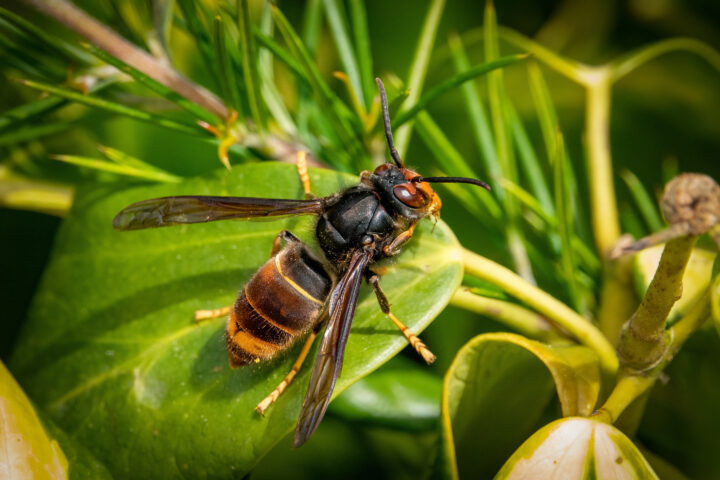
Asian hornet threatens native honey bee
More and more invasive pests are spreading in Switzerland. The most recent example is the Asian hornet, which poses a major threat to the native honey bee. But other invasive species also threaten agriculture and biodiversity. Control measures are many and varied. But pesticides (plant protection products and biocides) remain an important tool in the fight against the pests.

Pests increasingly threaten fruit, berry and grape harvests
Fruit, berry and wine growing is increasingly threatened by pests such as the Japanese beetle, the spotted wing drosophila and the Mediterranean fruit fly. Producers are sounding the alarm – but there is a lack of pesticides that can put an end to the pests.

Anti-Food Waste Banana
British biotech company Tropic has developed a banana using CRISPR/Cas gene editing that no longer turns brown. In the US, it is already on the market, while in England, it has passed the decisive regulatory hurdle. The same technology could also help save the world's most popular banana from extinction.
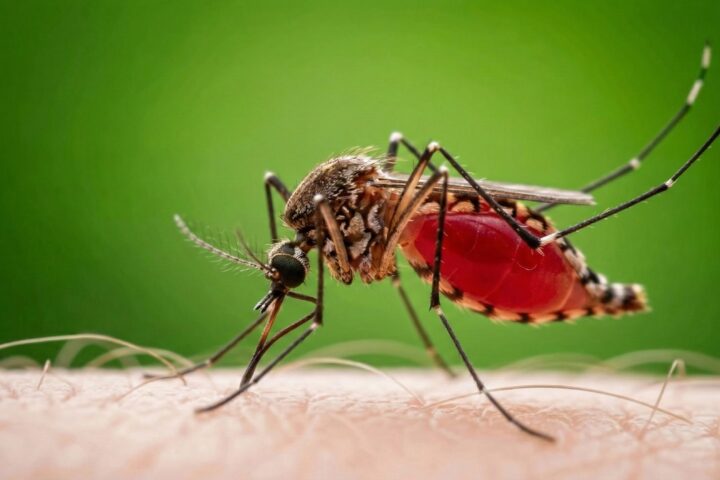
Asian Tiger Mosquito: Federal Government Implements Action Plan – But Insecticides Remain Taboo
Invasive species such as the Asian tiger mosquito are increasingly spreading across Switzerland. The federal government is sounding the alarm and wants to put a stop to the mosquito with a national action plan. However, the most effective measure is being left out: insecticides.

Record Heat 2026: Why Agriculture Needs Resilient Crop Varieties
Heat, drought, and hail took a heavy toll on Swiss farmers in 2026. In an interview with the NZZ, Adrian Aebi, head of Switzerland's largest crop insurer, warns: "If we carry on like this, agriculture will bleed dry." Looking to the future, there is an urgent need for resilient crop varieties that can withstand heat and dry conditions.
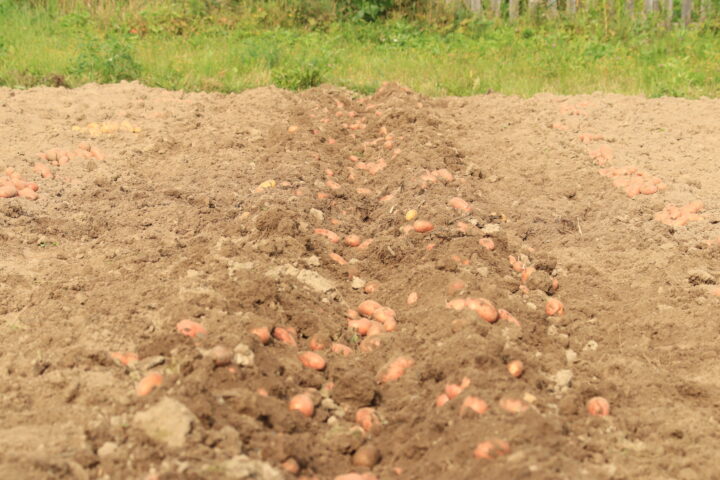
Record low potato harvest: Why is the Federal Council standing still?
The hot summer of 2026 caused the lowest potato harvest in Switzerland since records began a century ago. To secure domestic supply and build climate resilience, the agricultural sector is calling for swift access to new breeding technologies, which are already being authorized in the European Union. However, the Federal Council has delayed the corresponding draft legislation until 2027.