


What can the CRISPR gene scissors do – and what not (yet)?
Since 2012, CRISPR/Cas has made it possible to alter plant DNA precisely, purposefully, and relatively cheaply. Applications ready for use today primarily include disease resistance, improved quality such as taste and nutritional value, and accelerated breeding. In contrast, complex traits like drought tolerance remain difficult because many genes are involved.
Published: 06.07.2026, 11:33
What it is about
- Around 1,000 peer-reviewed genome-editing studies from 58 countries on 76 plant species (Source: EU-SAGE database).
- Over 3,000 varieties have already been created through classical undirected mutagenesis – such as durum wheat or pink grapefruit.
- Gene-edited varieties are approved in countries including the USA, Japan, China, and India; however, none are currently grown on a large scale.
- The EU is voting on a reformed NGT law: Simple edits (SDN-1, SDN-2) should no longer be treated like conventional genetic engineering.
The discovery of the CRISPR/Cas genome-editing tool in 2012 marked a turning point in research and plant breeding: the method is precise, user-friendly, and inexpensive. Because many different editing tools with varying capabilities now exist, the term "New Genomic Techniques" (NGT) is more accurate. The number of studies serves as a benchmark for progress: the EU-SAGE database, a network of 134 European research institutes, lists around 1,000 peer-reviewed genome-editing papers from 58 countries on 76 plant species. Most aim for resilience against drought, salinization, temperature extremes, diseases, and pests, as well as higher yields and better quality.
From Mutagenesis to Classical Genetic Engineering: A Look Back
The goals of plant breeding have barely changed over millennia: higher-yielding and more resilient crops. Corn, wheat, and rice were domesticated around 10,000 years ago through artificial selection. In the mid-20th century, artificially induced mutation was introduced: radiation or chemicals generate massive DNA changes – known as undirected mutagenesis. More than 3,000 varieties were created this way, including durum wheat for pasta or pink grapefruits. Classical genetic engineering pursued a targeted approach for the first time, but inserts foreign genes – as seen in Bt corn. Critics point to the crossing of species boundaries and the randomness of where the gene is integrated.
Precision Instead of Randomness: How NGTs Work
With New Genomic Techniques, the genome can be modified purposefully and directly without inserting foreign DNA. NGTs include zinc-finger nucleases, TALENs, and CRISPR/Cas systems, which have become established due to their simple handling. Through variants such as base, prime, and multiplex editing, the possibilities have expanded significantly: more modifiable sites and even more precise interventions.
Worldwide Approvals: USA, Japan, China, and India
Several gene-edited varieties are already approved, and many more are in the pipeline – though none are cultivated on a large scale yet:
- USA: Includes soybeans with an improved fatty acid profile, less bitter mustard greens, camelina, and rapeseed.
- Japan: Two tomato varieties, one corn variety, one potato variety, and three fish species are approved; one tomato variety and the three fish species are currently being sold.
- China: Five gene-edited varieties (wheat, corn, soy, rice) were approved at the end of 2024, with cultivation expected to start soon.
- India: Two climate-resilient rice varieties were approved in 2025, and seed multiplication is underway.
Applications: What Genome Editing Can Do Today
- Altered Gene Activity: A large portion of studies use CRISPR for point mutations and small insertions to deactivate genes (knock-outs) and observe their effects. The targeted modification of gene regulation via promoters is also coming into focus.
- Breeding Accelerator: By comparing wild and cultivated plants, lost gene sequences can be identified and the domestication process restarted. In the wild tomato Solanum pimpinellifolium, for instance, deactivating six genes via multiplex editing led to better growth, more flowers, and a higher lycopene content after just one generation.
- Hybrid Breeding: Hybrid seed production requires male-sterile lines. With NGTs, the genes responsible for pollen formation can be specifically deactivated – making hybrid production simpler, faster, and applicable to more species.
- Sustainable Plant Protection: Modifying just a single gene can make plants resistant to viruses, bacteria, or fungi: mildew-resistant wheat (knocked-out MLO gene), broadly resistant tomatoes (DMR6 gene), or virus-resistant cucumbers and potatoes. Unlike chemical plant protection, such approaches are targeted – potentially reducing the use of pesticides significantly.
Limitations: What Is Not (Yet) Possible
Complex properties such as salt or drought resistance cannot simply be "conjured up" because many genes and transcription factors are involved; improved tolerance often comes with disadvantages in growth or yield. Nonetheless, researchers have already been able to improve drought tolerance in rice, tomatoes, and wheat. Developing resistance against chewing insects remains difficult, and the targeted insertion of larger DNA segments is still inefficient in plants because the necessary repair pathway (homologous recombination) is unreliable.
Outlook: NGT and Artificial Intelligence
NGTs are not magic tools, but they can fundamentally transform breeding: faster development and more targeted DNA modifications. Following the editing goal, several years of testing and field trials usually follow – just as in conventional breeding. In the future, linking precision breeding with Artificial Intelligence will likely become central: AI helps identify relevant genes faster and design molecular tools.
About swiss-food.ch
swiss-food.ch is an information platform of the research-based food and agricultural technology industry, bundling fact-based content on nutrition, agriculture, plant protection, and biotechnology. The articles are prepared editorially, the sources used are linked in the text. The platform is supported by Syngenta and Bayer.
Keywords: CRISPR/Cas · Genome Editing · New Genomic Techniques (NGT) · Plant Breeding · SDN-1 · Undirected Mutagenesis · Disease Resistance · NGT Regulation
Related Articles on swiss-food.ch
Kindly note:
We, a non-native editorial team value clear and faultless communication. At times we have to prioritize speed over perfection, utilizing tools, that are still learning.
We are deepL sorry for any observed stylistic or spelling errors.
Related articles
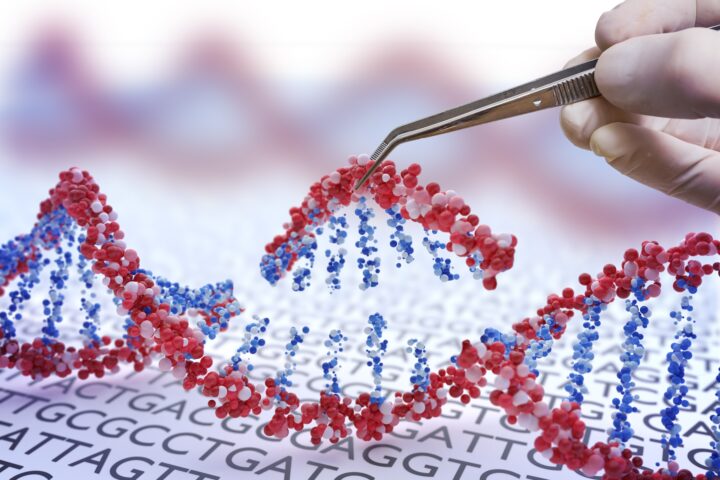
Rapid further development of the genetic scissors
CRISPR-Cas has been used worldwide since 2012 to modify genes in organisms with pinpoint accuracy. With the help of protein engineering and AI algorithms, researchers at the University of Zurich have now developed a new, more compact ‘genetic scissors’. This and similar variants will make it possible to edit genes ever more efficiently.

Genetic scissors for the future – soon in Switzerland too?
Genome editing is seen as a promising way to make agriculture more sustainable and climate-resilient. But Switzerland is hesitant to approve it. A popular initiative even wants to ban it. But what can CRISPR really do?

'The EU is moving forward – Switzerland must not lose touch'
The EU has largely approved genomic plant breeding. Four plant researchers from the University of Zurich, ETH, and Agroscope contextualize the EU decision from June 17, 2026.
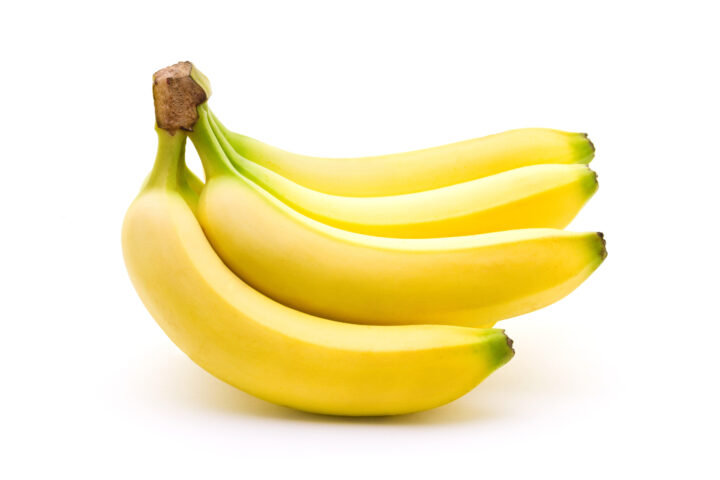
Anti-Food Waste Banana
British biotech company Tropic has developed a banana using CRISPR/Cas gene editing that no longer turns brown. In the US, it is already on the market, while in England, it has passed the decisive regulatory hurdle. The same technology could also help save the world's most popular banana from extinction.
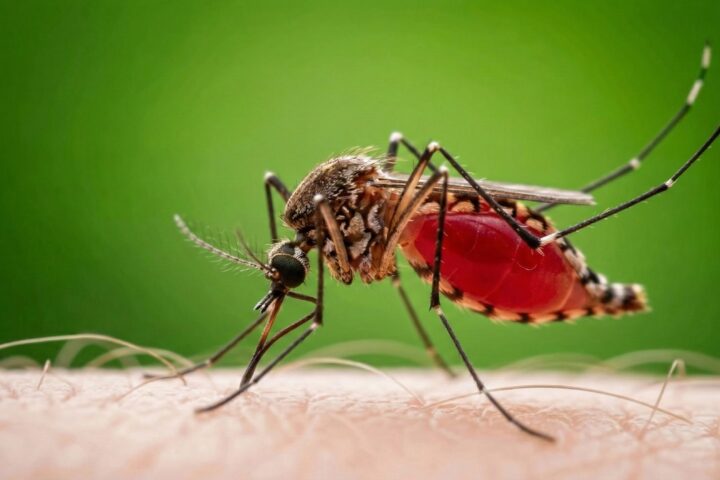
Asian Tiger Mosquito: Federal Government Implements Action Plan – But Insecticides Remain Taboo
Invasive species such as the Asian tiger mosquito are increasingly spreading across Switzerland. The federal government is sounding the alarm and wants to put a stop to the mosquito with a national action plan. However, the most effective measure is being left out: insecticides.

Record Heat 2026: Why Agriculture Needs Resilient Crop Varieties
Heat, drought, and hail took a heavy toll on Swiss farmers in 2026. In an interview with the NZZ, Adrian Aebi, head of Switzerland's largest crop insurer, warns: "If we carry on like this, agriculture will bleed dry." Looking to the future, there is an urgent need for resilient crop varieties that can withstand heat and dry conditions.
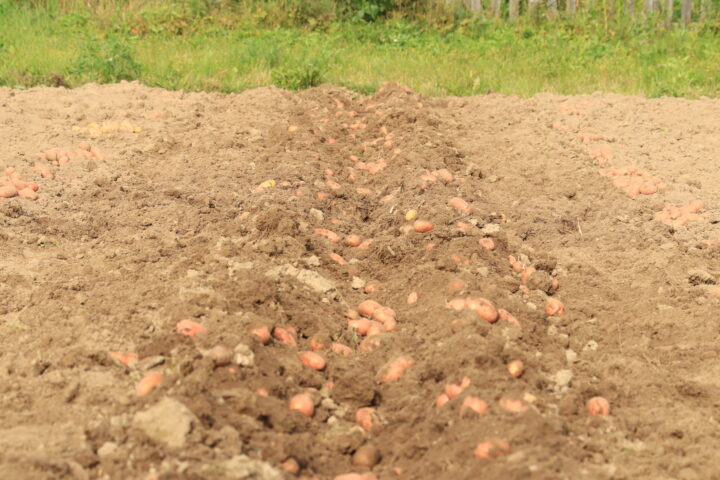
Record low potato harvest: Why is the Federal Council standing still?
The hot summer of 2026 caused the lowest potato harvest in Switzerland since records began a century ago. To secure domestic supply and build climate resilience, the agricultural sector is calling for swift access to new breeding technologies, which are already being authorized in the European Union. However, the Federal Council has delayed the corresponding draft legislation until 2027.