


Mystery of Glyphosate’s Origins
For a long time, the answer seemed clear: agriculture was to blame. But new research turns this assumption on its head. A trail of clues leads from fields and garden fences deep into the wastewater system—and ends with a surprise.
Published: 03.07.2025, 00:00
For years, glyphosate found in rivers and streams was considered clear evidence of the use of the controversial herbicide in agriculture. Farmers were quickly identified as the main culprits. But as a recent article in NZZ am Sonntag shows, the reality is far more complex than critics of agriculture would like to believe. In 2007, Swiss researchers discovered that the herbicide was not only detectable in spring and autumn, as expected, but also in summer—when it isn’t used in farming at all.
These findings raised eyebrows: where was this concentration in water bodies coming from if agriculture was clearly not to blame? Attention quickly shifted to homeowners. Could the glyphosate residues be coming from overzealous amateur gardeners? One thing stood out: the concentration was higher downstream of wastewater treatment plants than upstream. Researchers suspected that private individuals were using the herbicide generously on sealed surfaces, from which it was washed into the sewer system when it rained.
«The village would have to be bald»
To verify this, a German researcher analyzed the outflow of a treatment plant that only received wastewater from a small village. The results were clear: based on the detected concentrations, the researcher calculated that the 500 residents would have had to use around one tonne of glyphosate per year. The NZZ quotes her as saying: «The village would have to be bald if that amount had been applied.» So hobby gardeners in single-family homes weren’t to blame either. But where was the increased concentration of herbicide coming from?
What is firmly established: the elevated concentrations are related to household wastewater and treatment plants. At the center of the new hypothesis is a detergent additive called DTPMP (diethylenetriaminepenta(methylene phosphonic acid)), a water softener found in many household products. When this substance comes into contact with manganese oxide in the sediments of wastewater, it can transform into glyphosate. The aforementioned researcher demonstrated this in laboratory analyses. Thus, proof was provided that glyphosate is formed in treatment plants from the detergent additive DTPMP in combination with manganese oxide. However, exactly how this transformation occurs is still unclear.
The glyphosate reactor beneath our feet
One major question remains unanswered: why are higher off-season concentrations also found upstream of treatment plants? The current theory: beneath our feet, in the tens of thousands of kilometers of sewer networks, there may be a kind of «giant glyphosate reactor.» But the details remain unknown. One clue that DTPMP could be converted to glyphosate in these pipes comes from the United States. There, phosphonates like DTPMP are not used in detergents. As a result, glyphosate appears in surface waters only in patterns consistent with agricultural use: after application on fields.
Amidst all this, it’s important to remember what the Swiss Federal Office for the Environment (FOEN) repeatedly emphasizes: glyphosate in water bodies poses no risk, as it occurs at concentrations well below ecotoxicologically relevant levels. Those who take a more critical view may not be pleased with this assessment. But there is some good news for them too: according to FOEN, by 2040, 70 percent of Switzerland’s treatment plants are expected to be equipped with systems for removing micropollutants—including glyphosate. This means that, at least downstream of those plants, little to no glyphosate should continue to enter our waters—pollution caused not only by agriculture but by all of us.
Sources
Kindly note:
We, a non-native editorial team value clear and faultless communication. At times we have to prioritize speed over perfection, utilizing tools, that are still learning.
We are deepL sorry for any observed stylistic or spelling errors.
Related articles
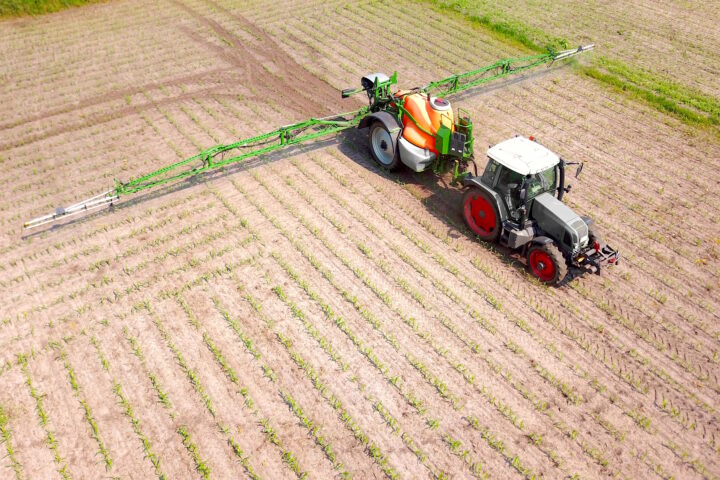
EU authorises glyphosate for another 10 years
The EU Commission has decided to endorse the assessment of the European Food Safety Authority, which found no critical problem areas regarding the effects of glyphosate on the environment and human and animal health. The EU Commission's science-based decision to extend the authorisation for a further 10 years is also a rejection of the scare campaigns by Greenpeace and Co.
"Natural is healthy, chemicals are toxic."
Everything that occurs in nature is healthy and synthetically produced substances, i.e. "chemical" substances, are toxic. This myth is fundamentally wrong: There are many highly toxic substances in nature, and at the same time there are many synthetic substances that are absolutely harmless.
Organic products more frequently affected by recalls
Organic products have to be taken off retailers’ shelves at an above-average rate. The reason for this is toxins from plants harvested together with the organic produce or from molds. They can be controlled less well in organic agriculture than in conventional agriculture.
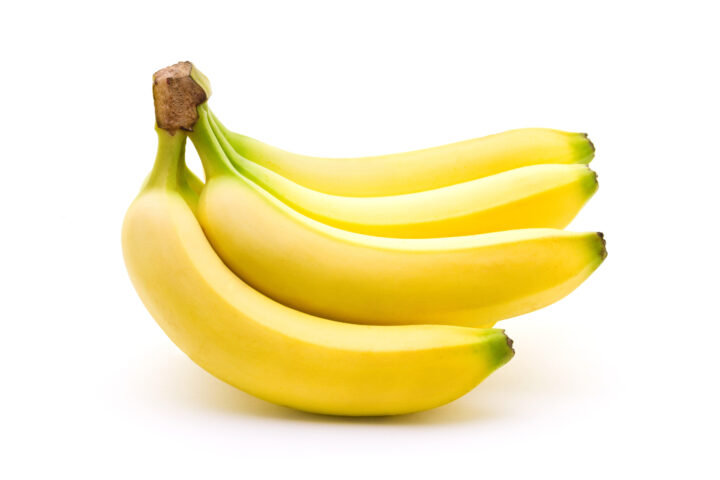
Anti-Food Waste Banana
British biotech company Tropic has developed a banana using CRISPR/Cas gene editing that no longer turns brown. In the US, it is already on the market, while in England, it has passed the decisive regulatory hurdle. The same technology could also help save the world's most popular banana from extinction.
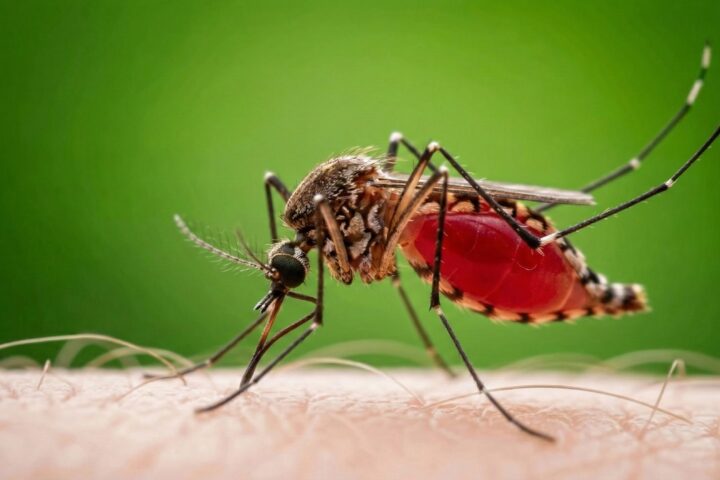
Asian Tiger Mosquito: Federal Government Implements Action Plan – But Insecticides Remain Taboo
Invasive species such as the Asian tiger mosquito are increasingly spreading across Switzerland. The federal government is sounding the alarm and wants to put a stop to the mosquito with a national action plan. However, the most effective measure is being left out: insecticides.
Record Heat 2026: Why Agriculture Needs Resilient Crop Varieties
Heat, drought, and hail took a heavy toll on Swiss farmers in 2026. In an interview with the NZZ, Adrian Aebi, head of Switzerland's largest crop insurer, warns: "If we carry on like this, agriculture will bleed dry." Looking to the future, there is an urgent need for resilient crop varieties that can withstand heat and dry conditions.
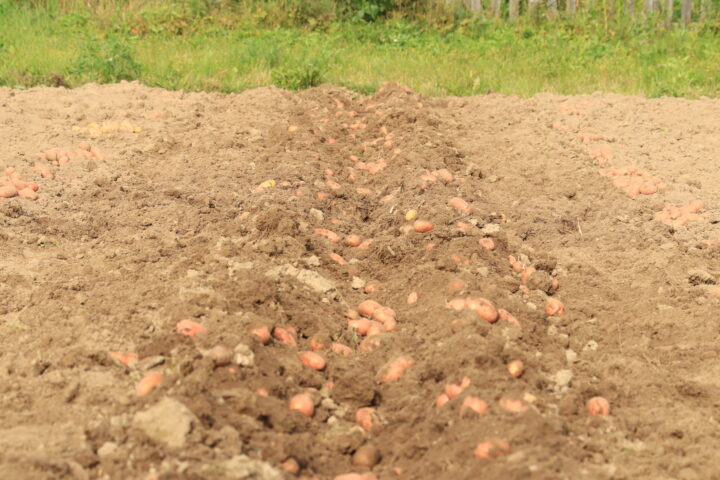
Record low potato harvest: Why is the Federal Council standing still?
The hot summer of 2026 caused the lowest potato harvest in Switzerland since records began a century ago. To secure domestic supply and build climate resilience, the agricultural sector is calling for swift access to new breeding technologies, which are already being authorized in the European Union. However, the Federal Council has delayed the corresponding draft legislation until 2027.