

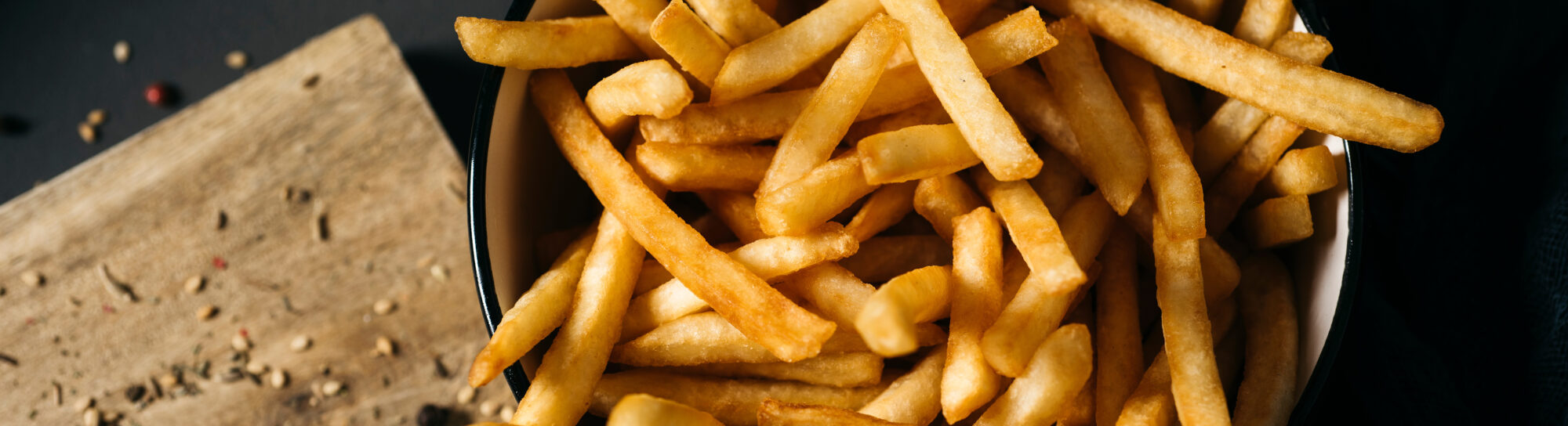
French fries are becoming scarce
A shortage of seed potatoes is looming in 2024. If there is a shortage of seed potatoes, the popular carbohydrate suppliers cannot be harvested. And because seed potatoes are in short supply throughout Europe, importing them will also be difficult. According to Swisspatat, varieties of French fries are particularly affected.
Published: 10.02.2024, 10:45
Will the popular schnitzel and chips soon have to give way to schnitzel bread? The fact is: After years of poor potato harvests, seed potatoes will now also be in short supply in 2024, as Blick reports. And according to Swisspatat, the industry organisation for potato producers, this is likely to remain the case. According to a report in «Bauern Zeitung», there will be 30 per cent fewer seed potatoes available this year. The industry organisation warns: «It will not be possible to satisfy the entire demand.»
Swisspatat cites the low yields in summer 2023 and declining seed potato cultivation areas as the reason for the shortage. Because the willingness to cultivate is declining. This is also noted by the newspaper «Zürcher Bauer». Large quantities of seed potatoes have had to be rejected at the collection centres due to virus infestation. The reason for this is a lack of plant protection products. In addition to difficult growing conditions, this fact was already responsible for low harvests in potato cultivation in Switzerland in 2023. Ruedi Fischer, President of Swiss Potato Producers, told the newspaper Schweizer Bauer back in May 2023: «I have never experienced a situation like this in 30 years.»
There is also a shortage of seed potatoes in the EU
Should more seed potatoes simply be imported? The industry organisation Swisspatat is sceptical. More imports of seed potatoes are hardly possible. This is because seed potatoes are also in short supply in the EU, as an interview in the German agricultural newspaper TopAgrar shows. The consequences of the lack of plant protection products are becoming clear in the case of seed potatoes. Virus-free seed potatoes are needed for the coming harvests. However, only two pyrethroids and one flonicamide are currently authorised against «aphids as virus vectors» - in addition to paraffin oil. It should be borne in mind that organic potato cultivation is also dependent on conventionally produced seed potatoes. Due to the withdrawal of virus-contaminated seed potatoes, around 20 per cent of the seed potatoes required in the EU for the 2024 season are missing. Incidentally, the shortage of active ingredients is not only evident in seed potatoes, but also in potato cultivation itself. However, widespread field crops such as rapeseed and fruit cultivation, where there are hardly any insecticides available, are also affected.
New plant diseases
New plant diseases are another problem. One example is wilt disease, which impairs the baking properties of chip potatoes. But there is also a lack of motivation among farmers to grow potatoes. As early as mid-2023, Ruedi Fischer, President of the potato producers, told the farmers' newspaper: «I'm very worried about the willingness to grow potatoes.» One ray of hope is more robust varieties that are less susceptible to fungal diseases. However, new varieties must first prove themselves. And they have to be accepted by buyers and consumers.
New plant diseases
New plant diseases are another problem. One example is wilt disease, which impairs the baking properties of chip potatoes. But there is also a lack of motivation among farmers to grow potatoes. As early as mid-2023, Ruedi Fischer, President of the potato producers, told the farmers' newspaper: «I'm very worried about the willingness to grow potatoes.» One ray of hope is more robust varieties that are less susceptible to fungal diseases. However, new varieties must first prove themselves. And they have to be accepted by buyers and consumers.
Organic also affected
Organic farming is also fighting against plant diseases in potato cultivation. The Research Institute of Organic Agriculture FibL warns farmers in Zurich: «There are always resistance breakthroughs, and the notorious late blight in particular will always prevail. To delay this breakthrough, only copper is recommended in organic farming, albeit in reduced doses. To compensate for the lack of seed potatoes, tubers could be divided. However, this is not recommended by experts. Divided potato tubers can lead to weakened plants. In addition, the cut points are also possible entry points for harmful organisms.
Remedy through genome editing
Adding resistance genes from wild potatoes using genome editing is more effective, time-saving and efficient than the time-consuming breeding of more resistant potatoes using conventional methods. This has one major advantage: it works with known potato varieties that are favoured by consumers and food processors. However, there is one hurdle: for this approach to be possible, the minimally invasive forms of breeding must first be authorised in Switzerland and Europe.
Seed producers also complain about poor potato harvest
The lack of seed potatoes was also a topic at the delegates' meeting of Swiss seed producers, Swisssem. Its president lamented the poor harvest of seed potatoes for the third year in a row. In view of the dwindling willingness to grow potatoes, he called for a serious assessment of the situation, even if the weather and climate could not be influenced. Swisssmem also recorded a 7 per cent decline in cereal seed compared to the previous year, while maize yields were around 15 per cent below expectations. According to Schweizer Bauer, HAFL Professor Hans Ramseier spoke about the history of pesticides following the delegates' meeting.
However, the future of pesticides is also in question in view of the authorisation bottleneck. In view of this plight, it is all the more important to focus on the authorisation of modern breeding methods. Although these can never replace plant protection products (because there will never be a plant that is resistant to all pests and diseases), they can help to reduce the use of plant protection products. Accordingly, Christian Ochsenbein, Director of Delley Samen und Pflanzen AG, was quoted by Schweizer Bauer as saying at the DM that «robust, efficient and site-appropriate varieties» are needed.
Kindly note:
We, a non-native editorial team value clear and faultless communication. At times we have to prioritize speed over perfection, utilizing tools, that are still learning.
We are deepL sorry for any observed stylistic or spelling errors.
Related articles
Potato shortage due to capricious weather and lack of crop protection
The potato harvest is not looking good this year. There is a shortfall of 100,000 tonnes, as reported by the Aargauer Zeitung. According to potato producers, this is a drop of 30 per cent compared to the long-term average.
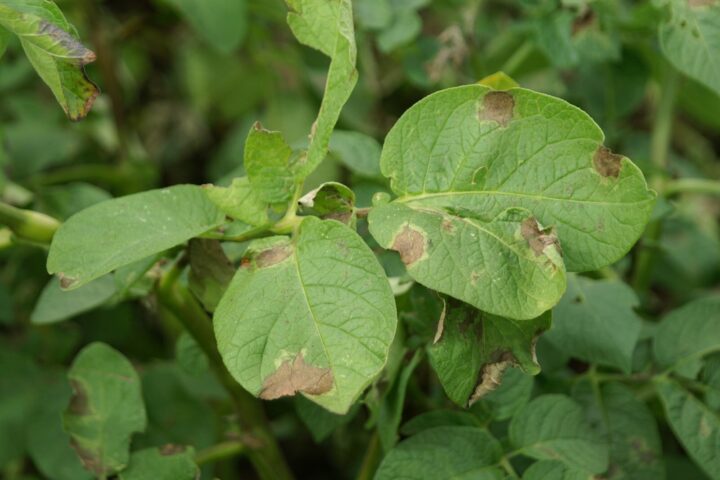
Late blight: utilising resistance from wild potatoes
Late blight is one of the most dangerous potato diseases. Biotech methods can be used to equip potatoes with a resistance gene against late blight.
Anti-Food Waste Banana
British biotech company Tropic has developed a banana using CRISPR/Cas gene editing that no longer turns brown. In the US, it is already on the market, while in England, it has passed the decisive regulatory hurdle. The same technology could also help save the world's most popular banana from extinction.
Asian Tiger Mosquito: Federal Government Implements Action Plan – But Insecticides Remain Taboo
Invasive species such as the Asian tiger mosquito are increasingly spreading across Switzerland. The federal government is sounding the alarm and wants to put a stop to the mosquito with a national action plan. However, the most effective measure is being left out: insecticides.
Record Heat 2026: Why Agriculture Needs Resilient Crop Varieties
Heat, drought, and hail took a heavy toll on Swiss farmers in 2026. In an interview with the NZZ, Adrian Aebi, head of Switzerland's largest crop insurer, warns: "If we carry on like this, agriculture will bleed dry." Looking to the future, there is an urgent need for resilient crop varieties that can withstand heat and dry conditions.
Record low potato harvest: Why is the Federal Council standing still?
The hot summer of 2026 caused the lowest potato harvest in Switzerland since records began a century ago. To secure domestic supply and build climate resilience, the agricultural sector is calling for swift access to new breeding technologies, which are already being authorized in the European Union. However, the Federal Council has delayed the corresponding draft legislation until 2027.