

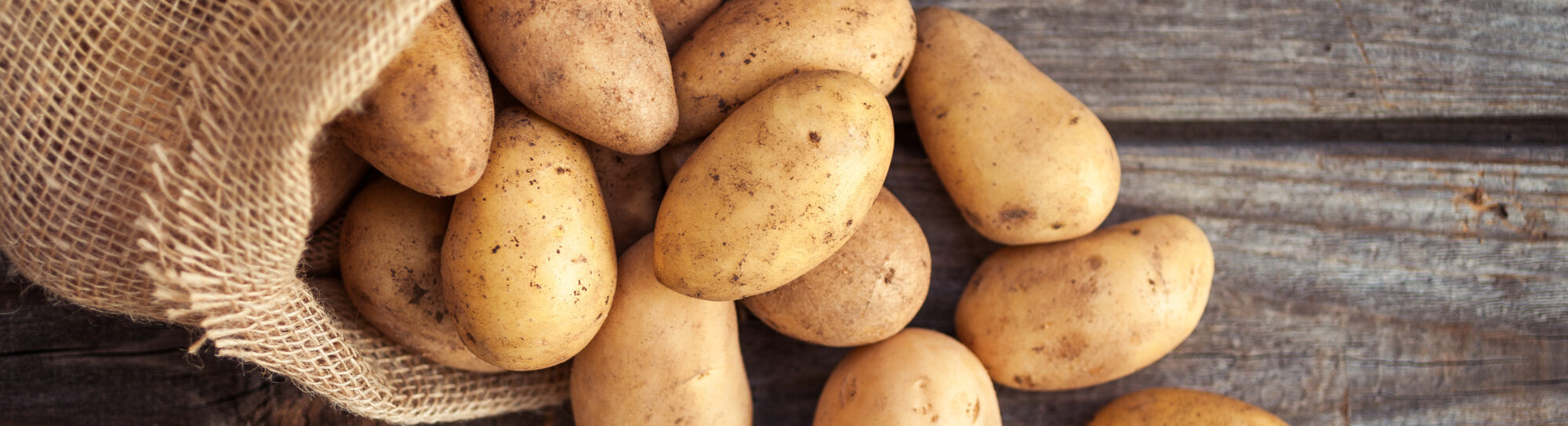
Potato shortage due to capricious weather and lack of crop protection
The potato harvest is not looking good this year. There is a shortfall of 100,000 tonnes, as reported by the Aargauer Zeitung. According to potato producers, this is a drop of 30 per cent compared to the long-term average. One reason for the poor harvest is the weather.
Published: 06.12.2023, 15:00 | Updated: 03.01.2024, 12:50
It was very wet in spring 2023 and the potatoes could only be planted late. And in summer and autumn, it was far too hot for the potatoes. On the other hand, pests are also a problem for potato producers, especially the wireworm. The president of the potato producers, Ruedi Fischer, told the Aargauer Zeitung newspaper: "Plant protection is becoming increasingly limited, while at the same time more insects are surviving - mainly due to the milder winters." And the lack of plant protection reduces farmers' "willingness to cultivate", explains Fischer. Because potato cultivation is capital-intensive, producers face high losses in the event of crop failures. The weak Swiss harvest means that more imported goods are likely to be available in supermarkets from spring 2024. Because potatoes are popular. Weak Swiss production is being met by strong demand, which is encouraging for potato producers. Normally, the average Swiss potato production of 350,000 tonnes more or less covers the needs of consumers and the food industry - and only around 10 to 20,000 tonnes have to be imported.
As the Aargauer Zeitung writes, the crisps company Zweifel has to import 15 to 18 per cent of its potato requirements from abroad. Regionaljournal Zürich/Schaffhausen also reported that crisps producers have to import more potatoes from abroad. The Vice President of the Association of Swiss Potato Producers told the broadcaster: "I have a 50 per cent shortfall in the French fries and crisps varieties".
In addition to the heat, a lack of water and diseases also had a major impact on the potatoes. In contrast to the radio report, the Agricultural Information Service (LID) also clearly states the reasons for the drop in yield: there is a lack of pesticides. "The hot and dry summer favoured the proliferation of the Colorado potato beetle," explains Niklaus Ramseyer, who also highlights the emergence of new fungal and bacterial diseases as a cause for concern. Resistance management was a particular problem this season: "The reduced active ingredient portfolio harbours great risks for the development of resistance," he warns. The selection of available active ingredients is shrinking and there are no new agents in sight.
Sources
Kindly note:
We, a non-native editorial team value clear and faultless communication. At times we have to prioritize speed over perfection, utilizing tools, that are still learning.
We are deepL sorry for any observed stylistic or spelling errors.
Related articles
Asian Tiger Mosquito: Federal Government Implements Action Plan – But Insecticides Remain Taboo
Invasive species such as the Asian tiger mosquito are increasingly spreading across Switzerland. The federal government is sounding the alarm and wants to put a stop to the mosquito with a national action plan. However, the most effective measure is being left out: insecticides.
Record Heat 2026: Why Agriculture Needs Resilient Crop Varieties
Heat, drought, and hail took a heavy toll on Swiss farmers in 2026. In an interview with the NZZ, Adrian Aebi, head of Switzerland's largest crop insurer, warns: "If we carry on like this, agriculture will bleed dry." Looking to the future, there is an urgent need for resilient crop varieties that can withstand heat and dry conditions.
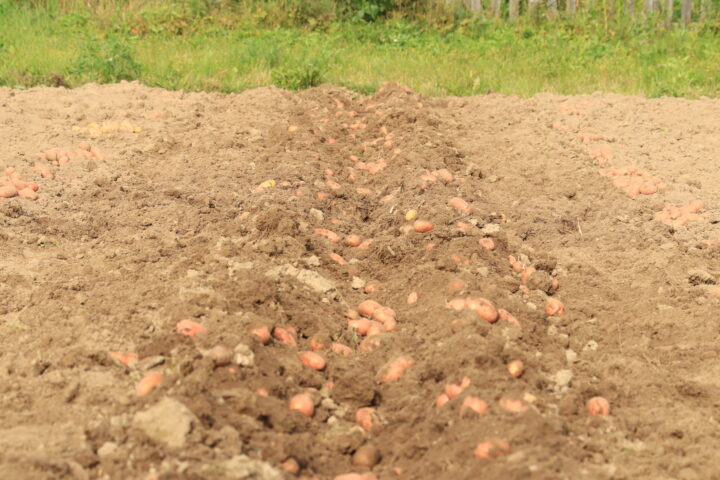
Record low potato harvest: Why is the Federal Council standing still?
The hot summer of 2026 caused the lowest potato harvest in Switzerland since records began a century ago. To secure domestic supply and build climate resilience, the agricultural sector is calling for swift access to new breeding technologies, which are already being authorized in the European Union. However, the Federal Council has delayed the corresponding draft legislation until 2027.
Legionella, Japanese beetles, and market turbulences: What are the consequences of the dry heatwave summer 2026?
How do persistent heat and drought in the summer of 2026 impact health, agriculture, and the economy? The summer of 2026 exemplifies how heat and dry conditions are becoming a threat across various areas: from cooling systems and livestock housing to crops and consumer wallets.