


Legionella, Japanese beetles, and market turbulences: What are the consequences of the dry heatwave summer 2026?
How do persistent heat and drought in the summer of 2026 impact health, agriculture, and the economy? The summer of 2026 exemplifies how heat and dry conditions are becoming a threat across various areas: from cooling systems and livestock housing to crops and consumer wallets.
Published: 24.08.2026, 10:56
In brief
- Rising health risks: Prolonged heat facilitated a Legionella outbreak in Basel, resulting in 28 infections and one casualty.
- Pests and animal diseases: The Japanese beetle thrives in temperatures between 21 and 35 degrees Celsius, while an Orthobunyavirus affects livestock.
- Feed crisis and emergency culling: Feed shortages led to roughly 7,000 additional cow slaughterings in June and July, driving livestock numbers to an all-time low.
- Billion-euro losses and inflation: Heat-related growth losses in the EU are estimated at 180 billion euros, alongside soaring drought damage.
- Technological adaptation: Research and agricultural technology companies rely on biostimulants, innovative crop protection solutions, and more efficient crop varieties, including genome editing, to safeguard yields.
It has recently become official: the summer of 2026 will go down in Swiss history books as one of the hottest on record—and it is feared that such heatwaves will become more frequent in the future. This is a concerning outlook, particularly for the elderly, as heat-induced cardiovascular strain poses a serious threat.
Legionella and ECDC warnings: How do infectious diseases spread?
However, heat also affects us indirectly through infectious diseases favored by prolonged warm temperatures. A recent case in Kleinbasel involved 28 people contracting Legionella, causing one death. The source was identified as a rooftop cooling tower that released the bacteria into the air via water droplets.
For microbiologist Hubert Hilbi (University of Zurich), this is no coincidence: Legionella bacteria multiply optimally at temperatures between 25 and 40 degrees Celsius, with case numbers rising annually by around 10 percent over the last twenty years. His conclusion: "The year 2026 is only the beginning of an increase in waterborne diseases." According to NZZ, Switzerland has neglected the Legionella issue for too long.
Basel is not an isolated case, as highlighted by a late-July report from the European Centre for Disease Prevention and Control (ECDC): the primary issue is not individual heatwaves, but consistently higher temperatures over longer periods. According to the ECDC, four areas are mainly affected: foodborne diseases due to accelerated bacterial growth, mosquito-borne diseases such as dengue or West Nile virus, tick-borne diseases like TBE and Lyme disease due to extended tick seasons, and vibriosis in warm, low-salinity coastal waters. Consequently, the agency calls for closer collaboration between human, animal, and environmental health authorities.
Heat stress in agriculture: Why are Japanese beetles, Orthobunyavirus, and livestock farming facing a crisis?
Agricultural crops are under severe stress. For instance, the invasive Japanese beetle, capable of defoliating entire crops, thrives best in temperatures between 21 and 35 degrees Celsius, according to Timo Börker from the Cantonal Crop Protection Service Basel-Stadt. Whether the heat is purely beneficial for the pest remains to be seen, as larvae may face difficulties due to the dry soil. Which effect predominates will only become clear in the upcoming season.
Currently, many cows in Switzerland are falling ill with a disease causing fever, diarrhea, and other symptoms, often resulting in the death of the animal. In early August, the cause was identified as likely being an Orthobunyavirus, related to the Schmallenberg virus detected in Switzerland back in 2012. The pathogen is transmitted by biting midges of the genus Culicoides, tiny insects from which livestock barns can hardly be sealed off. This disease wave hits at a time when the Swiss meat market is already under pressure due to drought conditions.
According to research by BauernZeitung, the core problem is not primarily the virus itself, but the lack of feed: because grass growth has stalled, many farms are already feeding winter reserves and must decide whether to buy expensive feed or slaughter animals early. According to Proviande, around 7,000 more cows were slaughtered in June and July compared to the previous year, reducing the cow population to its lowest level since record-keeping began in 2010.
These record slaughtering numbers are reflected in falling prices that farmers receive for emergency culling, as reported by NZZ. The federal government responded with emergency aid (full direct payments despite drought, interest-free loans, reduced import tariffs), while the Farmers' Association warns that long-term food security is at risk. Peter Bosshard, Managing Director of the Swiss Livestock Traders Association, summarized the situation: if heat, drought, and the viral disease persist until the end of August, the situation will become even more challenging. The Association of Swiss Vegetable Producers (VSGP) demands that increased production costs and heat-induced lower yields be compensated by the market, as the extraordinary situation jeopardizes the economic viability of many vegetable farms.
Economic impact and climateflation: What crop losses and GDP reductions lie ahead?
As the latest EU figures show, the situation has become particularly acute this summer. The European Commission’s Joint Research Centre (JRC) has significantly revised down its yield forecasts for all summer crops in the EU. Depending on the crop, expected yields are now up to 14% below the five-year average. Regions in western and central Europe have been particularly hard hit, with persistent heat and exceptional water deficits affecting crops during critical stages of development. In the worst-affected areas, the JRC expects significant yield reductions, with crop failure even likely in some locations.
According to the Table.Briefings portal, Europe’s grain harvest is expected to decline by 7.5% compared with the previous year. The Austrian Hail Insurance estimates agricultural drought damage at one billion euros, four times higher than in the previous record year of 2018. Agricultural losses form only part of a broader macroeconomic damage: Triodos Bank estimates heat-related growth loss for the entire EU this year at approximately one percent of GDP, equivalent to 180 billion euros, excluding healthcare costs and property damage such as forest fires. Germany is particularly affected, where low water levels in the Rhine are expected to reduce GDP by 0.3 to 0.4 percentage points, leading insurer Allianz Trade to speak of a "structural economic shock".
Drought also impacts food prices with a delay. As SRF reports, retail prices typically react to crop failures with a one-year lag. "What determines prices this year are last year's events," economist Tomas Dvorak of Oxford Economics told SRF, meaning this year's roughly ten percent lower grain harvest will only manifest at checkout counters in 2027. Climate researcher Max Kotz expects a stronger price surge than last year due to higher temperatures, and Dvorak anticipates that this "climateflation" will soon drive inflation more strongly than geopolitical crises. While agricultural adjustments could mitigate the effects, they cannot resolve the underlying issue.
Whether Legionella, bovine disease, Japanese beetles, or "climateflation," these examples demonstrate that heat acts not only directly on the human body but also creates indirect risks through complex biological and economic systems involving water, animals, plants, and markets. Those who fail to adapt plant breeding, crop protection, animal husbandry, and pricing policies to warmer and drier conditions will soon face these challenges repeatedly rather than once a decade.
Measures against heat and drought: Which biological and breeding technologies can help?
Beyond emergency aid and variety testing, research-focused agricultural companies are developing solutions to combat heat and drought—ranging from biostimulants to genome-edited crop varieties. Available in Switzerland is a biostimulant product named Megafol, designed to help crops cushion stress during periods of intense sunlight, heat, and drought; additionally, a maize variety called Artesian is available locally, offering more stable yields during dry spells due to efficient water utilization.
Furthermore, the active ingredient Anisiflupurin reportedly protects rice pollen development under heat stress, thereby reducing yield losses, according to field trials published in scientific journals. In the longer term, research and industry are focusing on genome-edited varieties bred specifically for inherent heat and drought tolerance.
Overall, the goal is to enhance the adaptability of crops to climate change. However, Switzerland currently lacks speed and decisiveness regarding the approval of new tools. For example, TEgenesis®, a method used by Agroscope and patented by the Swiss start-up Epibreed, was classified as genetic engineering by authorities, even though it merely activates a natural adaptation mechanism in the plant for a limited time using two molecules. The plant then "remembers" this activation during subsequent heat stress.
Similarly, in the greenhouses of Wageningen University, scientists simulate environmental conditions such as droughts, tropical humidity, or freezing nights, monitoring plants using advanced technologies amid significant skepticism. Alan Pauls, a doctoral candidate at Wageningen University, commented: "Do we believe plants are artificial because a machine is used? Do we believe they are artificial because it happens so quickly or inside a laboratory? I can still harvest rice with a sickle, but will that be enough to feed a billion people in time? - No."
Conclusion: Today's challenges cannot be solved solely with yesterday's methods. Even in technology-skeptical Switzerland, there must be recognition that sustainable agriculture relies on innovative solutions.
About swiss-food.ch
swiss-food.ch is an information platform run by the research-based food and agricultural technology sector, bundling fact-based content on nutrition, agriculture, crop protection, and biotechnology. The articles are editorially prepared, and the sources used are linked within the text. The platform is supported by Syngenta and Bayer.
Keywords: Heatwave summer 2026 · Drought · Legionella · Japanese beetle · Feed crisis · Climateflation · New breeding technologies · Biostimulants
Sources
Hottest Summer Since Records Began - Der Schweizer Bauer
Sustained heatwaves increase risk of infectious diseases across Europe - ECDC
No Feed, No Choice: Why Agriculture Is Currently Cut to the Bone - BauernZeitung
Many Cows Currently Falling Ill in Switzerland - BauernZeitung
Heat and Drought Could Also Harm Ticks and Japanese Beetles - SWI swissinfo.ch
Low Water and Heat: How They Threaten Growth, Industry, and Agriculture - Table.Briefings
Strong Solar Radiation, Heat, Drought: Using MC Cream/Megafol
Production: More Food with Fewer Resources - swiss-food.ch
Genome Editing: United Kingdom on the Path to the Top - swiss-food.ch
Ten Applications of New Breeding Technologies for Switzerland - swiss-food.ch
Why do Legionella bacteria multiply particularly strongly during the 2026 heatwave?
Legionella bacteria proliferate optimally at temperatures between 25 and 40 degrees Celsius. Extended periods of heat favor bacterial growth in water systems such as cooling towers.
Why does the 2026 drought lead to record numbers of cattle cullings?
Stalled grass growth leads to feed shortages, forcing farmers to use winter feed reserves early or cull livestock, resulting in around 7,000 additional cow slaughterings in June and July.
What is meant by the term "climateflation"?
Climateflation describes food price increases driven by climate impacts and drought damage, which typically fuel broader inflation with a lag of about one year.
How does the Japanese beetle threaten agriculture during high temperatures?
The Japanese beetle thrives at temperatures between 21 and 35 degrees Celsius and can defoliate entire crop fields. More than 400 plant varieties are on its menu. Although soil dryness may simultaneously hinder the survival of its larvae.
What role do technologies like genome editing play against drought impacts?
New breeding technologies such as genome editing allow crops to be bred more precisely and rapidly for heat and drought resistance.
How severely does the 2026 heatwave affect the European overall economy?
Triodos Bank estimates the heat-induced GDP growth loss in the EU for 2026 at approximately one percent, or roughly 180 billion euros.
Related articles

Cool thanks to Caribbean genes: the heat-defying calf!
Cows are also suffering from global warming. Hot temperatures have a negative effect on their metabolism. Now, the first solutions are emerging: for example, Strickhof in Lindau is home to one of the first Slick gene cows in the world. These are more heat tolerant than conventional cows and can therefore withstand global warming.
Global facts on world food and agriculture
Only thanks to technological progress and modern crop protection will we be able in the future to conserve our resources while feeding a growing population in a healthy and affordable way.
Drought-tolerant wheat from Argentina
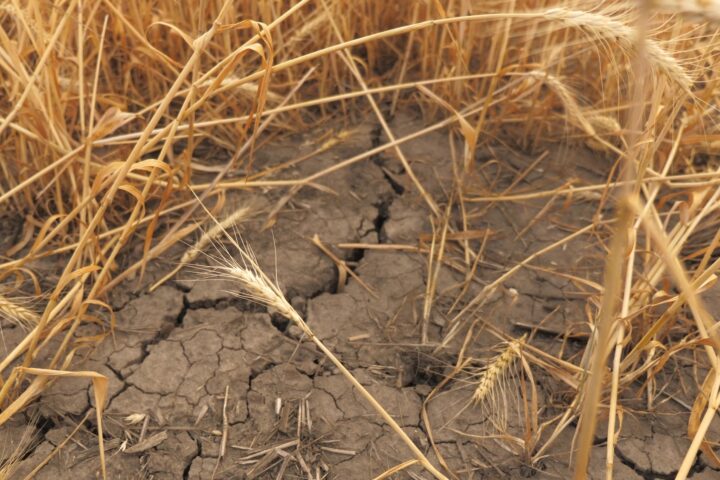
Heat waves are posing a major challenge to cultivation around the world. Water shortages and droughts are resulting in heavy crop losses for the agricultural industry. Because droughts will be more frequent in the future, the search for plant varieties that consume less water is a top priority. One drought-tolerant wheat variety from Argentina is showing great potential.
Anti-Food Waste Banana
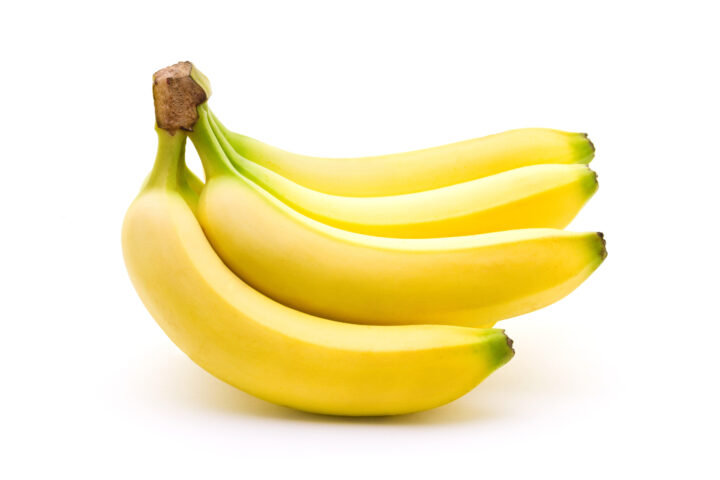
British biotech company Tropic has developed a banana using CRISPR/Cas gene editing that no longer turns brown. In the US, it is already on the market, while in England, it has passed the decisive regulatory hurdle. The same technology could also help save the world's most popular banana from extinction.
Asian Tiger Mosquito: Federal Government Implements Action Plan – But Insecticides Remain Taboo
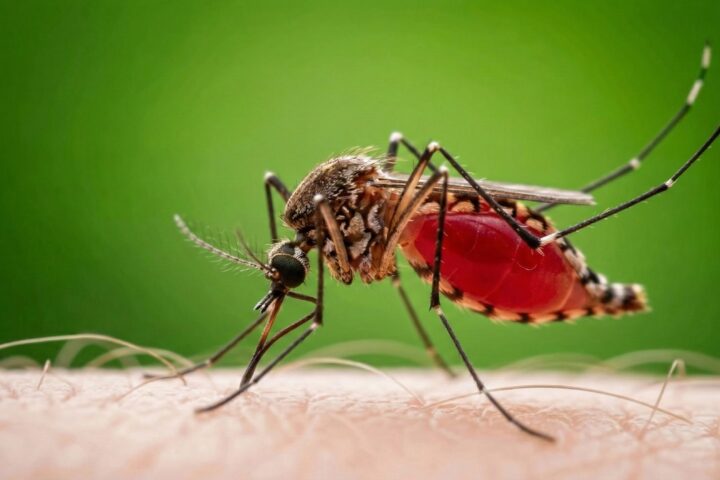
Invasive species such as the Asian tiger mosquito are increasingly spreading across Switzerland. The federal government is sounding the alarm and wants to put a stop to the mosquito with a national action plan. However, the most effective measure is being left out: insecticides.
Record Heat 2026: Why Agriculture Needs Resilient Crop Varieties
Heat, drought, and hail took a heavy toll on Swiss farmers in 2026. In an interview with the NZZ, Adrian Aebi, head of Switzerland's largest crop insurer, warns: "If we carry on like this, agriculture will bleed dry." Looking to the future, there is an urgent need for resilient crop varieties that can withstand heat and dry conditions.
Record low potato harvest: Why is the Federal Council standing still?
The hot summer of 2026 caused the lowest potato harvest in Switzerland since records began a century ago. To secure domestic supply and build climate resilience, the agricultural sector is calling for swift access to new breeding technologies, which are already being authorized in the European Union. However, the Federal Council has delayed the corresponding draft legislation until 2027.