


Where the focus lies in apple breeding
The new head of Agroscope's fruit breeding research group is Andrea Patocchi. In an interview with the trade journal Obst + Wein, he explains where the focus of apple breeding lies today.
Published: 09.05.2024, 08:50 | Updated: 27.05.2024, 14:51
Andrea Patocchi has headed Agroscope's Fruit Breeding Research Group since June 2023. The specialist journal Obst + Wein asked him about the main areas of research. Prior to this, Patocchi headed the Breeding Research Group, which is responsible for developing tools and basic principles for breeders. The fruit breeding research group, on the other hand, uses the breeding tools for the selection of new marketable apple, pear and apricot varieties. The ultimate aim is to use the tools to breed new, good-tasting and robust fruit varieties. The aim is to create apple varieties that can cope well with today's environmental conditions. They must therefore be able to withstand heat or cold or be as resistant as possible to diseases and pests.
Apple scab, mildew and fire blight
Well-known diseases such as apple scab, mildew and fire blight continue to be major issues. Resistance breeding for apple scab and fire blight is relatively advanced. This applies both to sources of resistance and to molecular markers. It is more difficult with mildew, where good molecular markers for breeding are lacking. The picture is different again with Marssonina leaf drop disease, where sources of resistance still need to be identified. Another issue is storage diseases.
According to Patocci, the use of the new varieties should enable a significant reduction in plant protection products. At the same time, of course, the quality must be right. The new breeding technologies have great potential in breeding. According to Patocci, they will not replace traditional breeding, but at least complement it. CRISPR/Cas is being used to switch off so-called conspicuous genes and cisgene is being used to insert an apple's own resistance gene. The main advantage is that the cross-breeding of resistance can be massively accelerated.
Monitoring resistance genes
Patocci has been working on fruit breeding since his dissertation and is particularly proud of the precise mapping of several apple scab resistance genes in the apple genome and the development of molecular markers that can be used to accelerate inheritance. Another important research focus is the monitoring of resistance breeding: «In 2009, I launched the international Vinquest initiative to monitor resistance breakthroughs in apple scab. The 28 partners from 15 countries participating in the network have planted 16 apple selections with different apple scab resistance genes.» The aim is to identify the resistance genes that lose their effect. This provides important information for future breeding.
It is also interesting to note Patocci's statement that Agroscope's public research should primarily be orientated towards the needs of the public as a whole. This statement contrasts with a comment by Urs Niggli in Schweizer Bauer, who sees public funding for organic breeding programmes as a counterweight to private breeding programmes. From a regulatory point of view, however, the orientation towards the common good is more convincing than the privileging of certain labels, because if state activities primarily serve one actor, the question of distortion of competition arises.
Kindly note:
We, a non-native editorial team value clear and faultless communication. At times we have to prioritize speed over perfection, utilizing tools, that are still learning.
We are deepL sorry for any observed stylistic or spelling errors.
Related articles
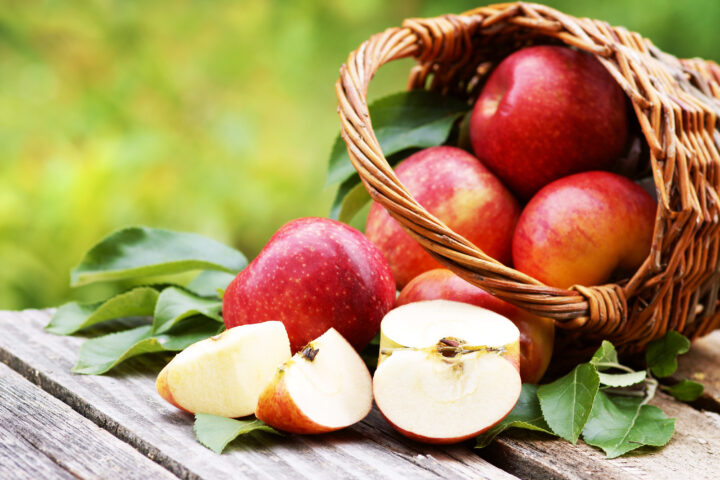
Popular Apple Varieties in Danger
The science magazine "Einstein" of Swiss Television has addressed the new breeding methods. The report clearly shows that there is no way around these new methods if Switzerland wants to continue cultivating popular apple varieties such as Gala, Braeburn, and Golden Delicious.
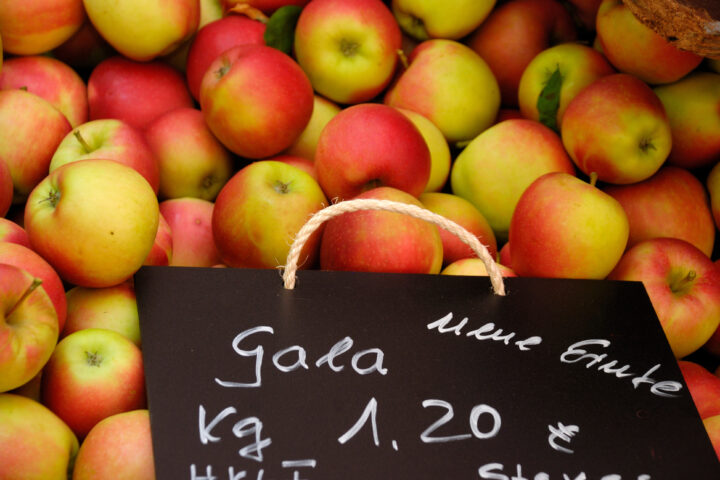
Organic farmer calls for genome editing for fruit growing
The high number of plant protection treatments is a major challenge for organic farmers. One of them is apple grower Marco Messerli from Kirchdorf BE. He has had to treat susceptible apple varieties with organic pesticides a total of 48 times. Too much, he thinks, and is now calling for the authorisation of new breeding methods. Experts agree with him.
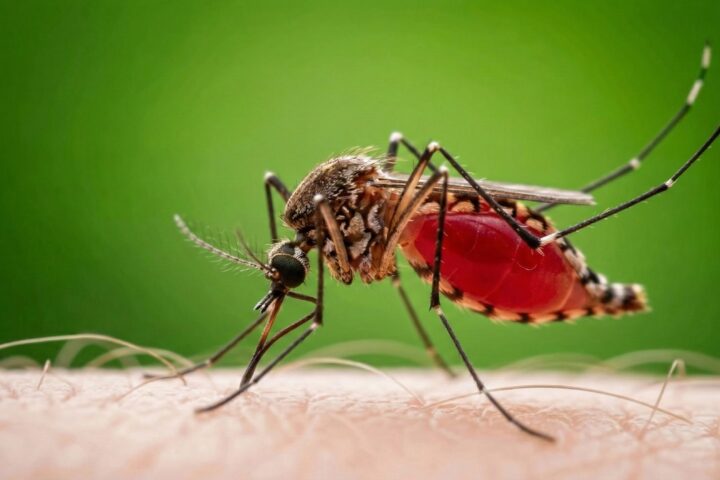
Asian Tiger Mosquito: Federal Government Implements Action Plan – But Insecticides Remain Taboo
Invasive species such as the Asian tiger mosquito are increasingly spreading across Switzerland. The federal government is sounding the alarm and wants to put a stop to the mosquito with a national action plan. However, the most effective measure is being left out: insecticides.

Record Heat 2026: Why Agriculture Needs Resilient Crop Varieties
Heat, drought, and hail took a heavy toll on Swiss farmers in 2026. In an interview with the NZZ, Adrian Aebi, head of Switzerland's largest crop insurer, warns: "If we carry on like this, agriculture will bleed dry." Looking to the future, there is an urgent need for resilient crop varieties that can withstand heat and dry conditions.
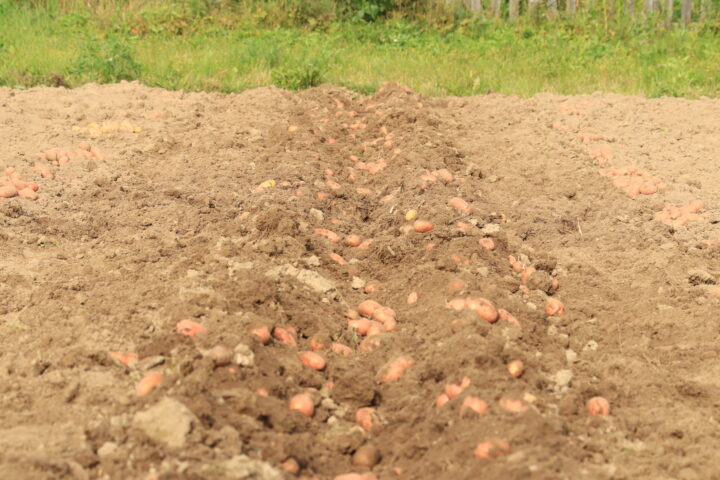
Record low potato harvest: Why is the Federal Council standing still?
The hot summer of 2026 caused the lowest potato harvest in Switzerland since records began a century ago. To secure domestic supply and build climate resilience, the agricultural sector is calling for swift access to new breeding technologies, which are already being authorized in the European Union. However, the Federal Council has delayed the corresponding draft legislation until 2027.

Legionella, Japanese beetles, and market turbulences: What are the consequences of the dry heatwave summer 2026?
How do persistent heat and drought in the summer of 2026 impact health, agriculture, and the economy? The summer of 2026 exemplifies how heat and dry conditions are becoming a threat across various areas: from cooling systems and livestock housing to crops and consumer wallets.