

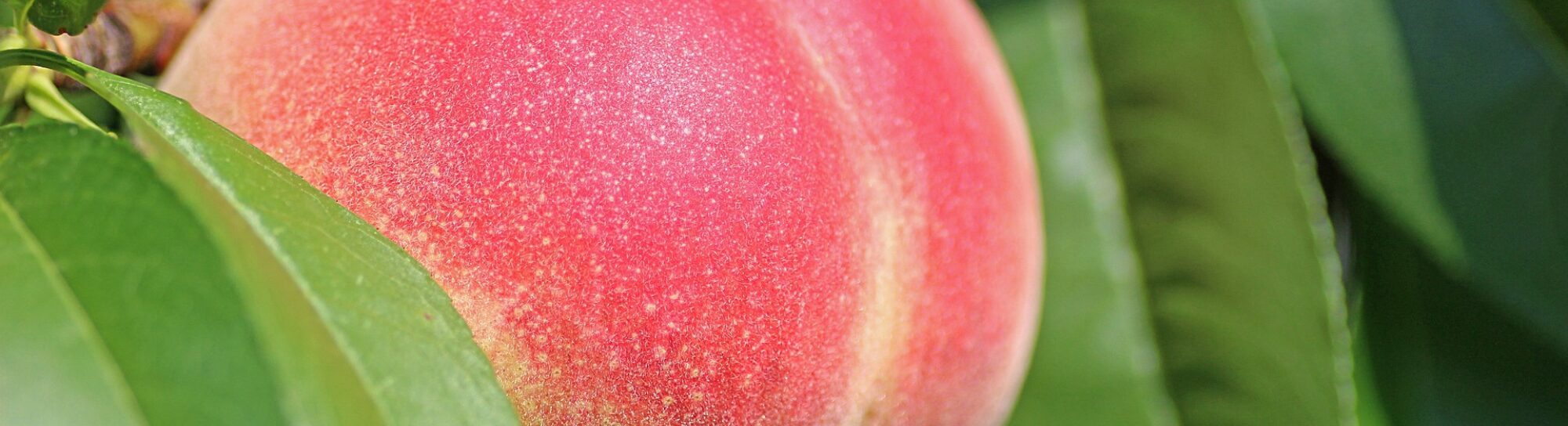
Prices for fruit are rising
The icy spring as well as the storms of recent weeks have led to some massive crop losses among European farmers. The consequences of this are rising fruit prices at the start of the summer. In fall, vegetables could also become more expensive.
Published: 15.09.2021, 10:52
As “20 Minuten” reports, the prices of various fruit varieties have risen significantly. Especially for berries and stone fruit, the cool temperatures of the past few weeks in Central Europe have been far from ideal. Imports of apricots, peaches and nectarines from nearby countries have increased by up to 17%. Although the frosty nights in spring destroyed almost the entire Valais apricot harvest, Swiss fruit is not currently affected by the price increases, writes “20 Minuten”.
Will vegetables also be more expensive soon?
On the other hand, Swiss vegetables – especially potatoes – could soon become more expensive. The spring harvest could still be successfully recovered. But heavy hail could severely damage the potato haulm. This would also have an effect on the tubers in the soil. The wet weather is also ideal for blight to spread.. As the vegetable association says to “20 Minuten”, the bad weather could soon have an impact on vegetable prices.
Good to know
Potatoes are also scarce in Switzerland. In July, the Federal Government increased the import of potatoes by 5000 tons. Due to poor weather conditions in April and May and high household consumption, stocks of Swiss potatoes have fallen. In addition, the potato tubers have a shorter shelf life because they were already considerably aged when they were put into storage last fall due to the hot summer of 2020. Now it turns out that the 2021 harvest will not be able to meet demand: The wet cold weather has massively encouraged the spread of herb and tuber rot. The Federal Office of Agriculture (BLW) had to increase the import quota again. And the industry needs to adjust purchasing conditions, approve smaller potatoes and pay farmers higher prices. So potato chips will be smaller and more expensive this year.
Sources
Related articles
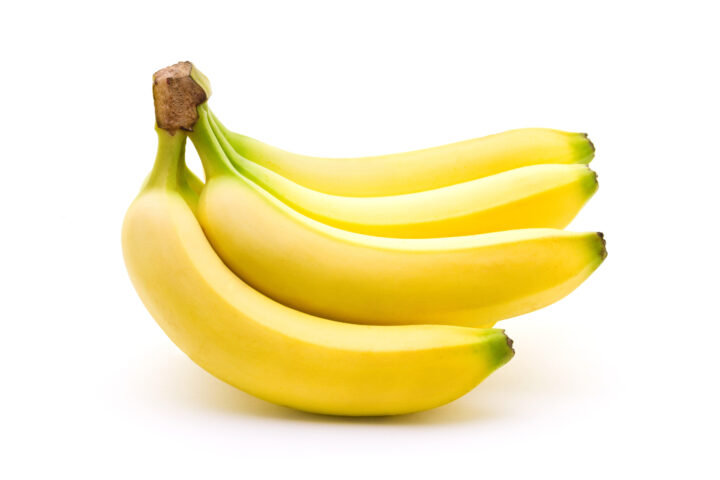
Anti-Food Waste Banana
British biotech company Tropic has developed a banana using CRISPR/Cas gene editing that no longer turns brown. In the US, it is already on the market, while in England, it has passed the decisive regulatory hurdle. The same technology could also help save the world's most popular banana from extinction.
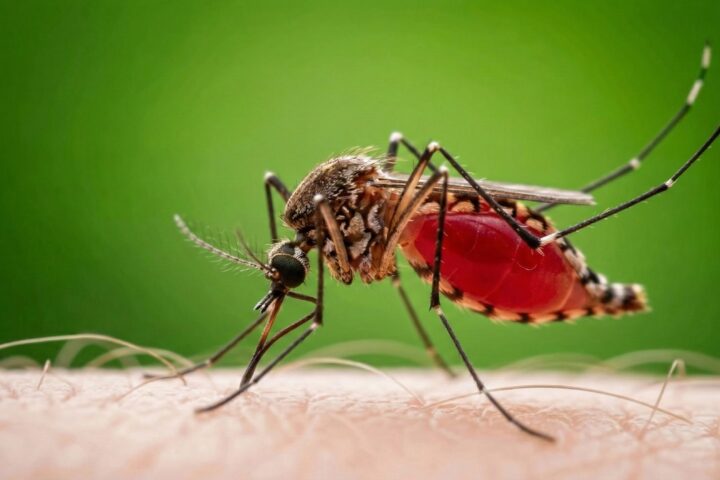
Asian Tiger Mosquito: Federal Government Implements Action Plan – But Insecticides Remain Taboo
Invasive species such as the Asian tiger mosquito are increasingly spreading across Switzerland. The federal government is sounding the alarm and wants to put a stop to the mosquito with a national action plan. However, the most effective measure is being left out: insecticides.
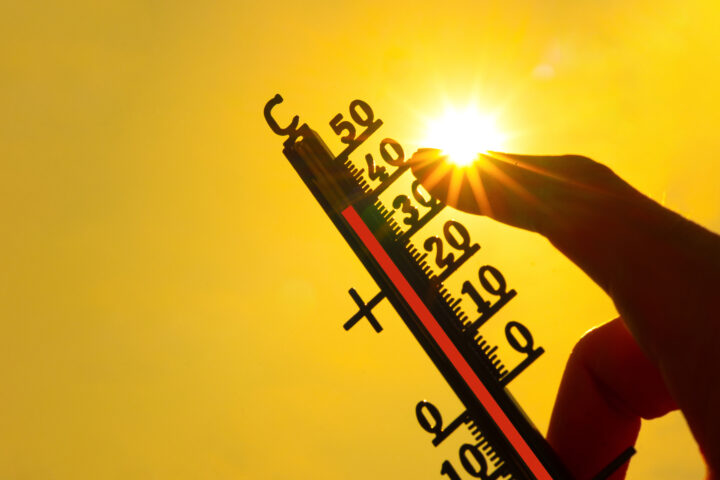
Record Heat 2026: Why Agriculture Needs Resilient Crop Varieties
Heat, drought, and hail took a heavy toll on Swiss farmers in 2026. In an interview with the NZZ, Adrian Aebi, head of Switzerland's largest crop insurer, warns: "If we carry on like this, agriculture will bleed dry." Looking to the future, there is an urgent need for resilient crop varieties that can withstand heat and dry conditions.
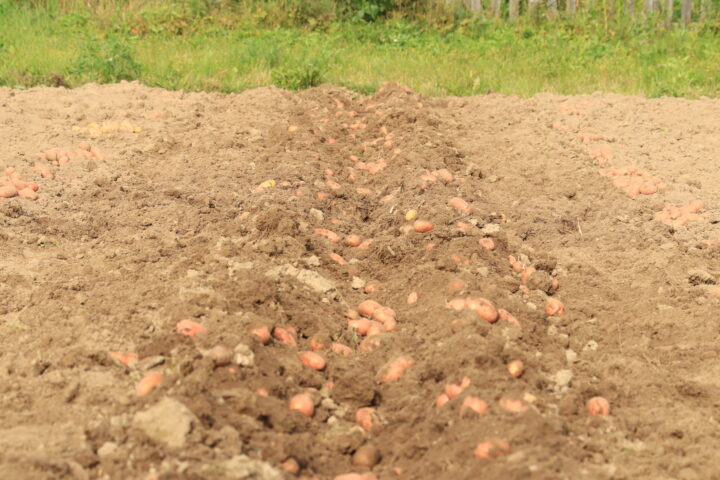
Record low potato harvest: Why is the Federal Council standing still?
The hot summer of 2026 caused the lowest potato harvest in Switzerland since records began a century ago. To secure domestic supply and build climate resilience, the agricultural sector is calling for swift access to new breeding technologies, which are already being authorized in the European Union. However, the Federal Council has delayed the corresponding draft legislation until 2027.