


A Superfood with Benefits and Challenges
Sweet lupin is Biovision’s “Superfood of the Year 2026.” It delivers high protein content, improves soils and supports biodiversity. Yet a closer look at agricultural practice shows that without breeding, crop protection and innovation, even this superfood remains a challenging crop.
Published: 19.01.2026, 08:08
There is a new star in the superfood sky: as reported by Schweizer Bauer, Biovision has named sweet lupin “Superfood of the Year 2026.” This protein-rich legume is seen as a promising contributor to more sustainable nutrition and agriculture.
With a protein content of around 40 percent, sweet lupin ranks among the most protein-rich plant-based foods. Its protein is of high quality and contains all essential amino acids. In addition, it provides dietary fibre, unsaturated fatty acids and a low carbohydrate content. The crop also performs well in the field. Its deep taproots loosen compacted soils, improve water infiltration during heavy rainfall and increase water retention during dry periods. Sweet lupin also benefits biodiversity: wild bees and bumblebees are particularly attracted to its large flowers and nutrient-rich pollen.
Natural does not mean harmless
As convincing as its advantages may be, sweet lupin also has its downsides. One of the main challenges lies in its bitter substances, specifically alkaloids. These nitrogen-containing natural compounds protect the plant against pests, but they are toxic to humans and animals.
Sweet lupin is therefore a prime example of a widespread myth: «Natural is healthy, chemistry is poison.» While synthetic crop protection products are often broadly demonised, plant-derived toxins are frequently underestimated. Yet unlike natural poisons, crop protection products are among the most thoroughly tested substances, and synthetic solutions also offer many advantages.
Thanks to plant breeding, today’s sweet lupins contain significantly fewer alkaloids than their wild relatives. Nevertheless, they are not entirely risk-free. Environmental stress, diseases or site conditions can cause alkaloid levels to rise again. In practice, entire harvest batches therefore sometimes have to be downgraded.
Progress through plant breeding
The fact that sweet lupins can be used as food at all today is the result of decades of breeding work. A publicly funded research project made an important contribution: within the LUPINNO SUISSE project, FiBL worked on new varieties with low alkaloid content and improved tolerance to anthracnose, a disease that can cause severe yield losses or even total crop failure.
After the FiBL project ended, this work has been continued by Getreidezüchtung Peter Kunz (GZPK). The aim is to transfer the basic knowledge gained and the first varietal trials into a long-term Swiss breeding programme.
Anthracnose remains one of the biggest challenges. At the same time, GZPK increasingly relies on marker-assisted selection, as susceptibility to high alkaloid levels is genetically determined. Molecular markers are clearly identifiable, short DNA segments whose position in the genome is known. While a marker for low toxin levels already exists, it is considered unreliable, as stressed plants may still produce alkaloids. A second marker is now being used. By crossing lines that carry both genetic traits, breeders aim to develop varieties with consistently low alkaloid levels – even under stress conditions.
This example shows that safe production of high-performing crops depends on plant breeding. At the same time, private innovation is essential. Start-ups and companies are developing new foods from lupins, such as plant-based meat alternatives. For such investments to pay off, patents are crucial. They protect innovation, provide investment security and enable the transfer of research into marketable products. Luya, a patented plant-based organic food, is a case in point. “That Luya is so juicy and delicious on your plate is thanks to our patented production process,” the spin-off from the Bern University of Applied Sciences writes on its website.
Despite all progress, growing sweet lupins remains demanding. Diseases such as anthracnose can lead to high yield losses or even total failure. Late weed pressure, fluctuating yields of typically 2 to 4 tonnes per hectare and often low profitability add to the challenge. This reality makes it clear that even a superfood is not an easy crop and involves risks for farmers.
No cultivation without crop protection
Crop protection products are also indispensable for sweet lupins. This is demonstrated by the extensive list of products approved in Switzerland. Particularly in the case of invasive lupin species, targeted herbicides are necessary to prevent their spread and the resulting damage to agriculture and the environment.
Sweet lupin has great potential – for nutrition, soils and biodiversity. However, its success is not based on romantic notions of nature, but on breeding, crop protection and innovation. Sustainability emerges where science and practice work hand in hand.
Sources
Kindly note:
We, a non-native editorial team value clear and faultless communication. At times we have to prioritize speed over perfection, utilizing tools, that are still learning.
We are deepL sorry for any observed stylistic or spelling errors.
Modern breeding could improve the lupin
The lupin is considered a promising domestic protein plant. However, its cultivation remains difficult: diseases repeatedly lead to crop failures, yields fluctuate, and the plant naturally produces bitter substances.
Researchers therefore see great potential in modern breeding methods such as genome editing. This could allow traits like disease resistance, yield stability, or lower bitter substance content to be improved more quickly and in a more targeted manner than through conventional breeding alone.
A recent review article in the journal Nature Index concludes that modern genomic tools could form the basis for a new generation of lupin breeding. Researchers in the journal Frontiers also see great potential in new biotechnological methods to overcome existing limitations in lupin breeding and to develop the crop more rapidly.
Modern breeding methods offer the opportunity to address the lupin's greatest weaknesses—diseases, yield fluctuations, bitter substances, and climate vulnerability—more quickly and precisely. They could thus make an important contribution to making the lupin more attractive and competitive as a sustainable, domestic protein source in the long term.
Related articles

Will this field trial revolutionise barley production?
Switzerland's first field trial using plants from new breeding technologies will start this spring in Zurich. Specifically, the aim is to breed a spring barley that produces more grains per ear. If the trial works, the technology is likely to be of great interest to Swiss agriculture.

«Organic in this country, banned in the Philippines»
In the Philippines, Greenpeace has obtained a ban on Bt aubergines and golden rice. Incredibly, the same bacteria that the environmental organisation defames as dangerous there is being praised as organic in Switzerland.

Swiss finish with a bitter aftertaste: the quiet demise of rapeseed cultivation
The Swiss finish in the authorisation process has not stopped at domestic rapeseed cultivation. Strict approval procedures and the lack of approved plant protection products are leading to a decline in acreage and lower yields. Experts warn that without viable alternatives, Swiss rapeseed production is nearing its end. And organic rapeseed is practically non-existent.

Anti-Food Waste Banana
British biotech company Tropic has developed a banana using CRISPR/Cas gene editing that no longer turns brown. In the US, it is already on the market, while in England, it has passed the decisive regulatory hurdle. The same technology could also help save the world's most popular banana from extinction.
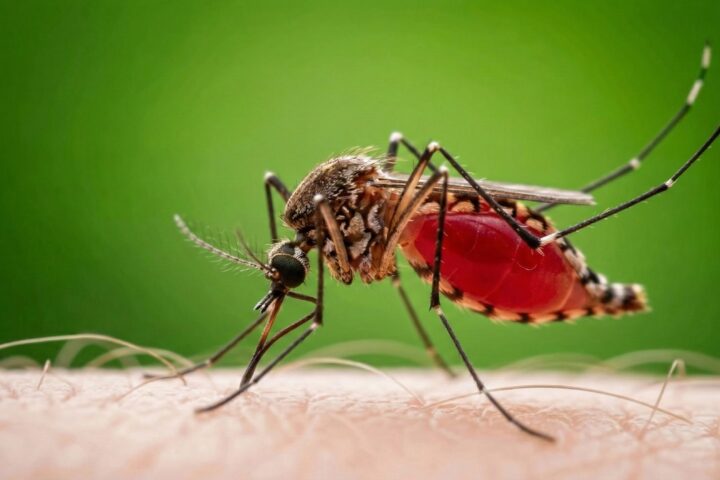
Asian Tiger Mosquito: Federal Government Implements Action Plan – But Insecticides Remain Taboo
Invasive species such as the Asian tiger mosquito are increasingly spreading across Switzerland. The federal government is sounding the alarm and wants to put a stop to the mosquito with a national action plan. However, the most effective measure is being left out: insecticides.

Record Heat 2026: Why Agriculture Needs Resilient Crop Varieties
Heat, drought, and hail took a heavy toll on Swiss farmers in 2026. In an interview with the NZZ, Adrian Aebi, head of Switzerland's largest crop insurer, warns: "If we carry on like this, agriculture will bleed dry." Looking to the future, there is an urgent need for resilient crop varieties that can withstand heat and dry conditions.
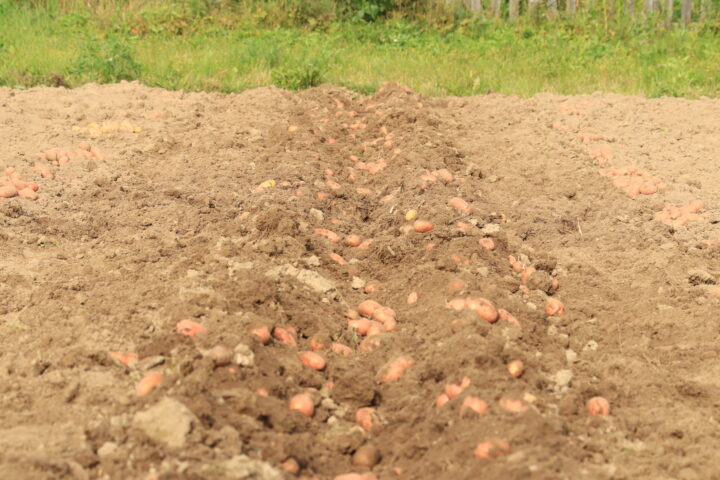
Record low potato harvest: Why is the Federal Council standing still?
The hot summer of 2026 caused the lowest potato harvest in Switzerland since records began a century ago. To secure domestic supply and build climate resilience, the agricultural sector is calling for swift access to new breeding technologies, which are already being authorized in the European Union. However, the Federal Council has delayed the corresponding draft legislation until 2027.