


Supply Reliability Increasing in Importance
The Swiss are satisfied with the state of domestic agriculture. However, supply reliability has become more important. These are the findings of a representative survey that the Federal Office for Agriculture published with its Agricultural Report 2022.
Published: 30.11.2022, 09:49 | Updated: 03.02.2023, 13:58
The annual Agricultural Report from the Federal Office of Agriculture (FOAG) highlights the latest developments in Swiss agriculture and is periodically accompanied by a survey. The research institute gfs-zürich uses this to determine the population’s views on agriculture on behalf of FOAG. Those surveyed generally have a good image of farmers. However, there has been a shift in priorities compared to previous surveys. Food production is among the three most important concerns of those surveyed. Supply during times of crisis is also weighted much more highly than in the last survey of 2018. The explanation is clear: it is down to both the coronavirus pandemic and the war in Ukraine.
Level of Self-Sufficiency Down
The level of self-sufficiency is currently 56 percent (49 percent net), which is slightly down in total although it does vary by product. Switzerland achieves 100 per cent self-sufficiency on dairy products whereas only 24 per cent of the demand for vegetable oils and fats can be covered by domestic production. FOAG attributes the slight downturn in productivity to a stronger growth in population than in food production. The wet summer of 2021 also had a strong impact on grain crops. At the same time, the total number of farming operations is also continuing to fall, although there is an increase in organic farms. The area of land used for farming has also decreased in the last year. Housing and infrastructure are taking up increasing amounts of space.
Supply Reliability Requires Technology
The latest Agricultural Report highlights a well-known dilemma: agriculture needs to produce more from less. People expect not only high animal welfare and sustainable production but also supply reliability. Especially in times of crisis, greater supply reliability means increasing domestic productivity. New technologies are required in order to achieve this as sustainably and efficiently as possible and using the existing agricultural space. What the Agricultural Report does not mention is the importance of new breeding techniques such as CRISPR/Cas. Or the approval of new, more environmentally-friendly pesticides. Many innovative products have been waiting for official approval for years. If the government takes the population’s desire for greater supply reliability seriously, it will have to approve some innovative technologies.
Related articles

Anti-Food Waste Banana
British biotech company Tropic has developed a banana using CRISPR/Cas gene editing that no longer turns brown. In the US, it is already on the market, while in England, it has passed the decisive regulatory hurdle. The same technology could also help save the world's most popular banana from extinction.
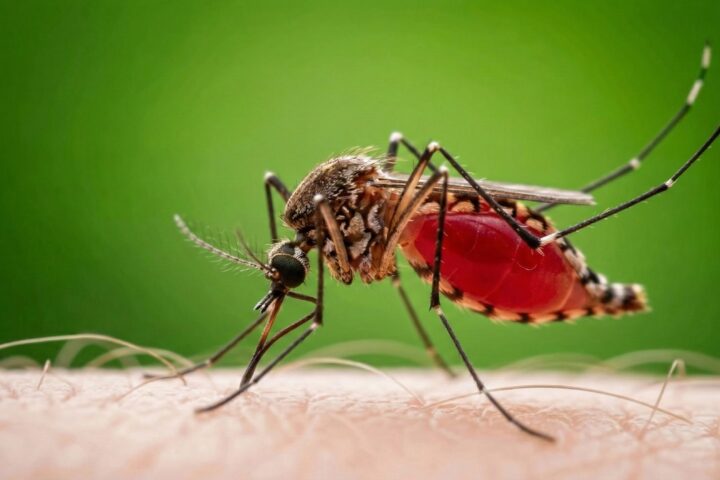
Asian Tiger Mosquito: Federal Government Implements Action Plan – But Insecticides Remain Taboo
Invasive species such as the Asian tiger mosquito are increasingly spreading across Switzerland. The federal government is sounding the alarm and wants to put a stop to the mosquito with a national action plan. However, the most effective measure is being left out: insecticides.

Record Heat 2026: Why Agriculture Needs Resilient Crop Varieties
Heat, drought, and hail took a heavy toll on Swiss farmers in 2026. In an interview with the NZZ, Adrian Aebi, head of Switzerland's largest crop insurer, warns: "If we carry on like this, agriculture will bleed dry." Looking to the future, there is an urgent need for resilient crop varieties that can withstand heat and dry conditions.
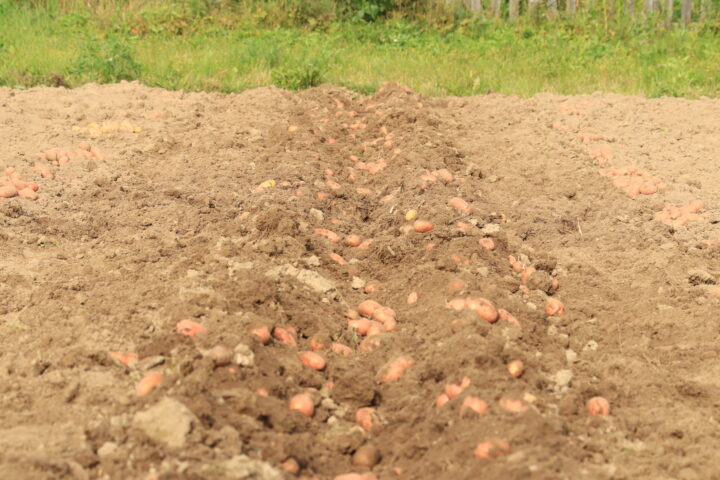
Record low potato harvest: Why is the Federal Council standing still?
The hot summer of 2026 caused the lowest potato harvest in Switzerland since records began a century ago. To secure domestic supply and build climate resilience, the agricultural sector is calling for swift access to new breeding technologies, which are already being authorized in the European Union. However, the Federal Council has delayed the corresponding draft legislation until 2027.