

EU approves insects as a food ingredient
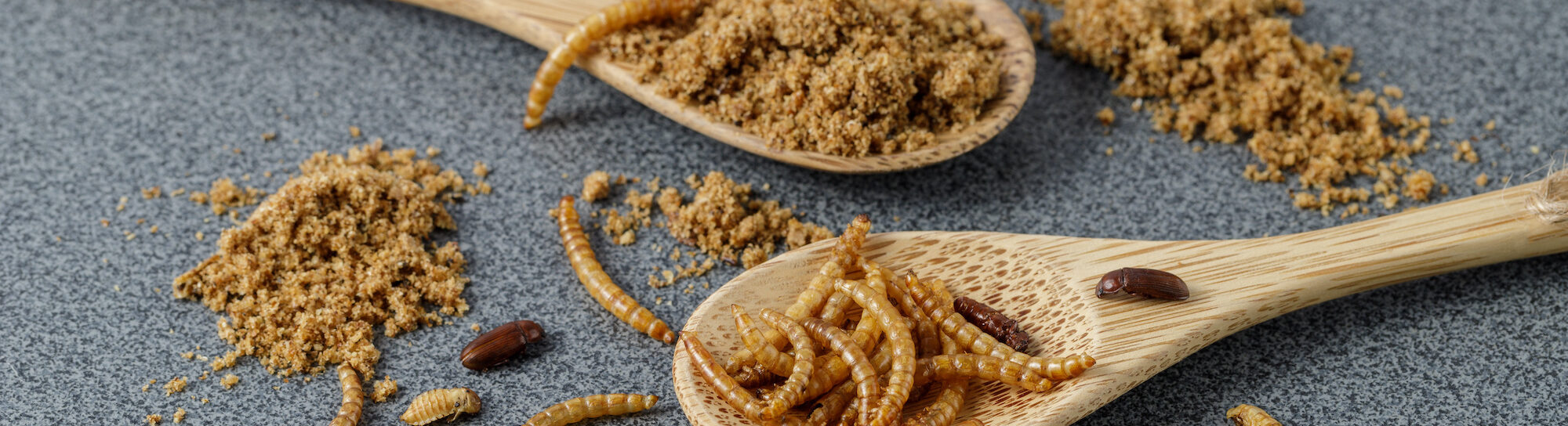
At the end of January 2023, the EU approved two new insect species as novel foods. For example, house crickets and lesser mealworms in specific forms may now be marketed as a food ingredient in a number of food products. Certain insects are also approved for use in food processing in Switzerland and have long been considered an environmentally friendly source of protein.
Published: 22.02.2023, 08:09 | Updated: 23.08.2023, 09:03
As reported by the Infosperber portal, flour and paste forms of the insects can now be used as a food ingredient in bread, rolls, cookies, baking mixes, muesli, pizza, pasta, sauces, and chocolate, or as an additive in other foods. However, the use of insects as food ingredients is nothing new. Specially farmed insects have been used as an ingredient in various foods for many years. Shellac, a secretion of lac insects, is used, for example, for the shiny coating on M&Ms and chocolate drops. In the EU, a total of seven insects are authorized for use in food processing. In principle, the same rules apply in Switzerland as in the EU, provided that they do not contradict Swiss law.
Which insects have been newly approved in the EU since 2023?
- The lesser mealworm – this is the name of the larvae of the litter beetle (Alphitobius diaperinus) – in dried, powdered, frozen or paste form
- House cricket (Acheta domesticus) in defatted powder form
Which insects have been authorized for some time?
- Frozen, paste, dried and powder forms of house cricket in certain foods (since February 2022)
- Migratory locust (Locusta migratoria, since November 2021)
- Mealworm (Tenebrio molito, since June 2021)
- Dyes from cochineal (carmine)
- Secretion of lac insects (shellac)
Source: infosperber.ch
Food of the future?
Farmed insects have long been considered a super food. Rich in protein, there has been much discussion of their use as a substitute for conventional meat products. Containing essential omega-3 and omega-6 fatty acids, they are rich in minerals and trace elements. Insect farming is also considered more climate and environmentally friendly than livestock farming as it requires less water and land and emits fewer greenhouse gases.
Also approved in Switzerland
Insects are also authorized for use as a food ingredient in Switzerland. Mealworms, house crickets and migratory locusts, for example, have been approved for use in certain foods since 2017. However, as Swiss radio and television magazine Espresso reports, the proportion of insect flour in Swiss food must not exceed 5%.
In addition, if a food contains insects, this must be clearly stated on the packaging. To date, edible insects have received a frosty reception from Swiss consumers. At the end of 2021, Migros retired dried mealworms, crickets and grasshoppers from sale after about three years due to insufficient demand. It remains to be seen whether consumers will accept insect flour and paste in food in the long term.
Sources
SRF Espresso, February 8, 2023
Kindly note:
We, a non-native editorial team value clear and faultless communication. At times we have to prioritize speed over perfection, utilizing tools, that are still learning.
We are deepL sorry for any observed stylistic or spelling errors.
Related articles
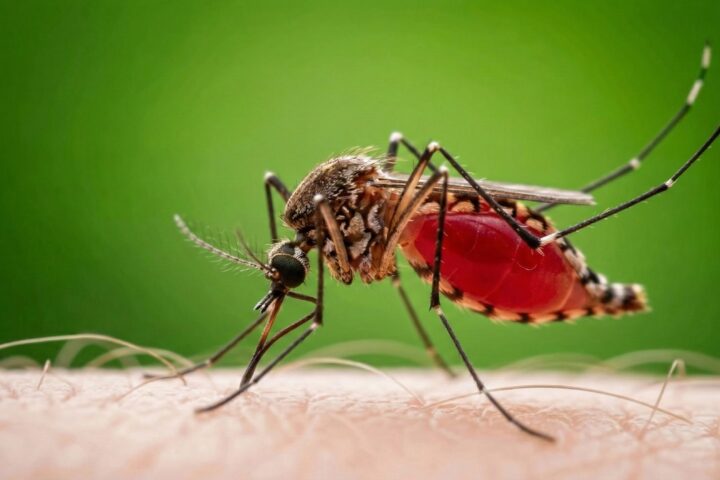
Asian Tiger Mosquito: Federal Government Implements Action Plan – But Insecticides Remain Taboo
Invasive species such as the Asian tiger mosquito are increasingly spreading across Switzerland. The federal government is sounding the alarm and wants to put a stop to the mosquito with a national action plan. However, the most effective measure is being left out: insecticides.
Record Heat 2026: Why Agriculture Needs Resilient Crop Varieties
Heat, drought, and hail took a heavy toll on Swiss farmers in 2026. In an interview with the NZZ, Adrian Aebi, head of Switzerland's largest crop insurer, warns: "If we carry on like this, agriculture will bleed dry." Looking to the future, there is an urgent need for resilient crop varieties that can withstand heat and dry conditions.
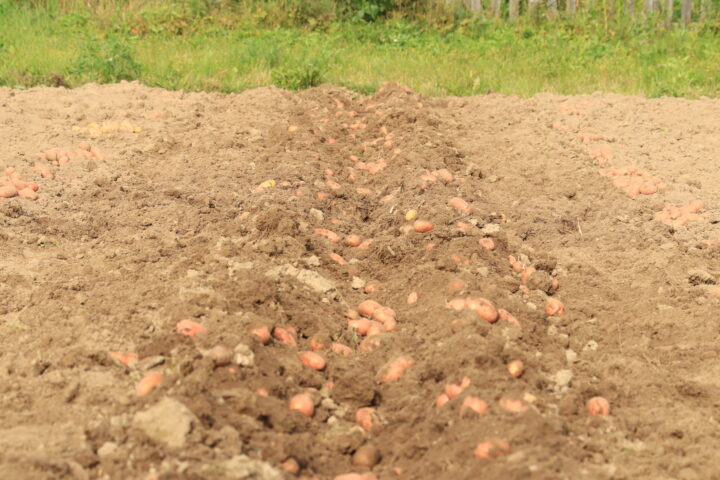
Record low potato harvest: Why is the Federal Council standing still?
The hot summer of 2026 caused the lowest potato harvest in Switzerland since records began a century ago. To secure domestic supply and build climate resilience, the agricultural sector is calling for swift access to new breeding technologies, which are already being authorized in the European Union. However, the Federal Council has delayed the corresponding draft legislation until 2027.
Legionella, Japanese beetles, and market turbulences: What are the consequences of the dry heatwave summer 2026?
How do persistent heat and drought in the summer of 2026 impact health, agriculture, and the economy? The summer of 2026 exemplifies how heat and dry conditions are becoming a threat across various areas: from cooling systems and livestock housing to crops and consumer wallets.