

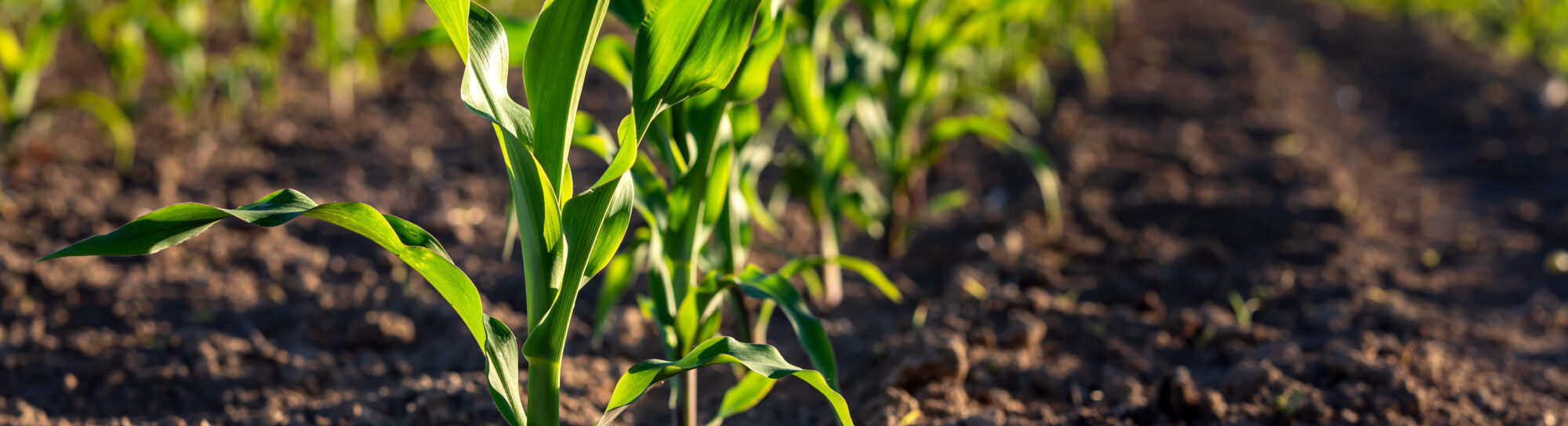
Climate protection must not jeopardise food security
Agriculture is increasingly under pressure to become climate-neutral. But how can this be achieved without jeopardising food security? In the agricultural policy podcast, Hannah von Ballmoos-Hofer, head of the energy division at the Swiss Farmers' Union, emphasises that climate protection is important, but must not come at the expense of food security.
Friday, March 7, 2025
Is climate-neutral agriculture possible? This question is explored by podcaster and agricultural policy expert Andreas Wyss in season 14 of the agricultural policy podcast in conversation with Hannah von Ballmoos-Hofer. She heads the energy division at the Swiss Farmers' Union and is president of the AgroCleanTech knowledge platform.
Hannah von Ballmoos-Hofer emphasises that technical innovations are central when it comes to reducing greenhouse gas emissions. In many areas, however, there is still room for improvement – for example, in the use of farmyard manure, the use of biogas plants and technical innovations in agricultural machinery. Feed additives and conservation farming systems could also make an important contribution. However, measuring the impact of such measures is a major challenge.
How measurement methods change the picture
Another crucial point is the methodology for calculating greenhouse gas emissions. ‘How big a contribution agriculture makes to climate neutrality also depends on how we measure and calculate,’ says Hannah von Ballmoos-Hofer. She illustrates this using the example of methane: with the currently applied GWP 100 method, methane causes two-thirds of agricultural emissions. GWP 100 prioritises CO2, which remains in the atmosphere for a very long time. Methane, on the other hand, is short-lived – it breaks down within 12 years. Accordingly, constant methane emissions have little impact on the climate. An alternative calculation method such as GWP 12 would better account for this short-lived nature.
But it is not only the measurement methods that von Ballmoos-Hofer sees as a major challenge in the numerous conflicting goals that agriculture is burdened with: ‘Until now, farming families have been expected to resolve these conflicts themselves, which is unfair,’ she criticises. Numerous stakeholders are not included in the discussion – for example, consumers and retailers. It is therefore crucial that politicians and society set clear priorities.
Sustainability along the entire value chain
The AgroImpact project is a positive example of a holistic approach. ‘Here, attempts are being made to work together along the entire value chain,’ explains von Ballmoos-Hofer. The aim is to ensure that production does not develop independently of consumer demand. After all, there is no sign of a trend towards eating less milk, meat and eggs. ‘If Swiss agriculture reduces its livestock and outsources production to other countries, it won't do anything for the climate,’ says the AgroCleanTech president.
Realistic goals for sustainable agriculture
The Swiss Farmers' Union is committed to ensuring that agriculture is given realistic climate targets and at the same time can produce in a way that conserves resources. “Our goal is to produce the food that is in demand, and to do so as sustainably as possible,” said von Ballmoos-Hofer. In addition, the union is committed to ensuring that farming families can earn a good income from sustainable production and contribute to the production of renewable energy.
For von Ballmoos-Hofer, one thing is clear: the challenges are complex, but with the help of technical innovations and close cooperation along the value chain, Swiss agriculture could become more climate-friendly. And it could do so without jeopardising food security. Politicians and society must take responsibility and set clear priorities.
Do not ignore the contributions of the research industry
In order to make agriculture more climate-friendly, the research industry is also developing solutions. DSM Givaudan, for example, has developed the feed additive Bovaer to reduce methane emissions from cows by about 30 per cent. This is also available in Switzerland. However, it is only used by a few farms, as reported in the Tages-Anzeiger. The Enogen corn variety, which has been shown to improve the feeding efficiency of cattle by 5 per cent and thus also reduces the emission of harmful greenhouse gases, is not even on the market in Switzerland because of the country's moratorium on genetic engineering.
Kindly note:
We, a non-native editorial team value clear and faultless communication. At times we have to prioritize speed over perfection, utilizing tools, that are still learning.
We are deepL sorry for any observed stylistic or spelling errors.
Related articles

Climate change: "You have to invest heavily in innovation".
On the occasion of the 26th Climate Change Conference in Glasgow, Matthias Berninger, Global Head of Public Affairs, Science & Sustainability at Bayer, talks about the potential of new fertilisers for climate protection.
Climate change requires precision breeding
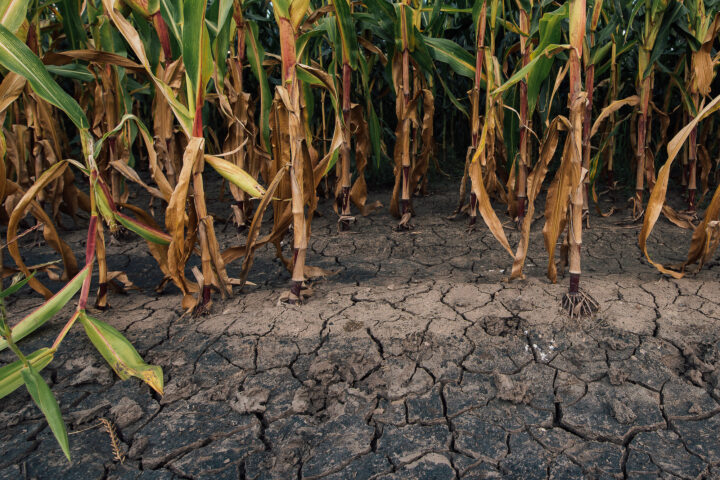
Central Europe is becoming hotter and drier due to climate change. We need robust new crop varieties to protect harvests against invasive pests. Innovative methods, such as precision breeding using gene editing, can help growers keep pace with climate change.
The Future of Agriculture and Climate Change
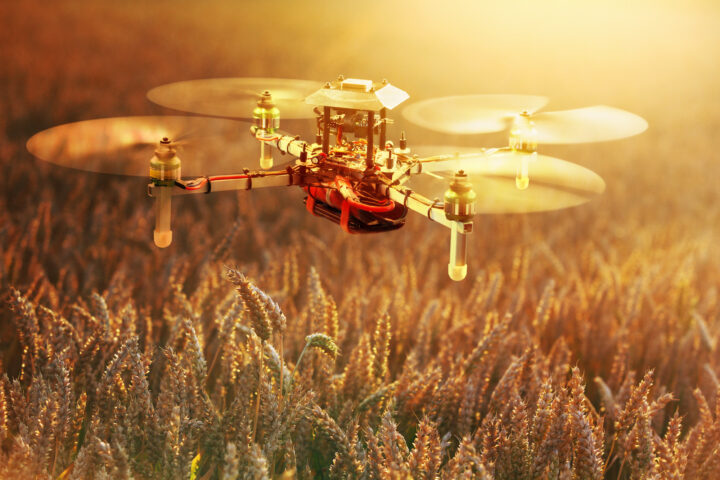
All around the world, we see and feel the effects of climate change on our lives. While it impacts everyone, agriculture is one of the sectors that is at the forefront of climate change – contributing to greenhouse gas emissions and at the same time coping with growing our food under increasingly challenging conditions. So, how can we address climate change and take action that makes an impact?
Global facts on world food and agriculture
Only thanks to technological progress and modern crop protection will we be able in the future to conserve our resources while feeding a growing population in a healthy and affordable way.
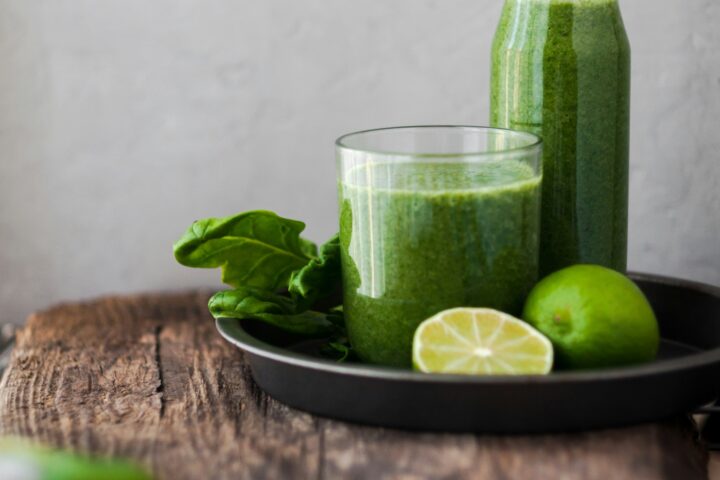
Pesticides in Green Smoothies
After countless recipes for Christmas cookies, festive roasts and cocktails, the advice on losing weight, detoxing and beautifying oneself now takes centre stage. Most of it is sheer nonsense.
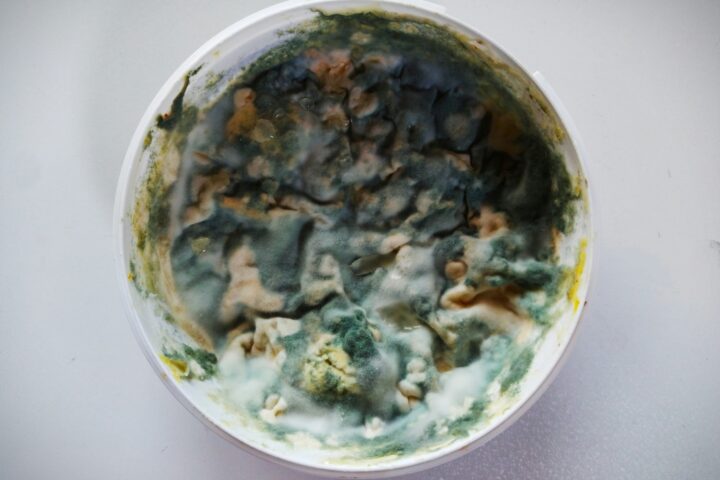
Natural Toxins: An Underestimated Risk in Our Food
Safe food cannot be taken for granted. While chemical substances are often the focus of public criticism, reality shows that the greatest risks to food safety are of natural origin. Recent recalls of infant food products illustrate how insidious bacterial toxins or moulds can be.

Herbal Teas: Making You Sick Instead of Slim
Plant protection products are frequently the focus of public criticism. Far less attention is paid to the fact that natural ingredients in teas and dietary supplements are also biologically active and can pose health risks.