

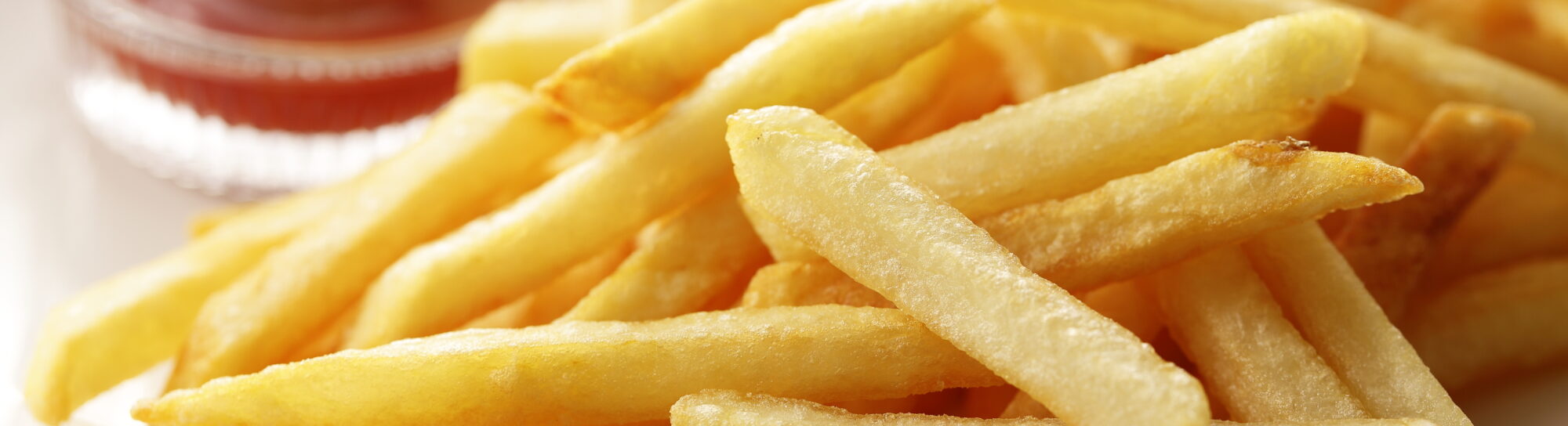
Poor potato harvest in 2021 leads to imports
The 2021 potato harvest looks poor. The miserable weather affected the tubers and led to large harvest and quality losses in some cases. This also affects the production of chips and french fries. In addition, more potatoes are being imported.
Published: 11.02.2022, 09:51
The 2021 potato harvest was much leaner than usual due to the bad weather. This is now having an impact on stocks. According to the Federal Office for Agriculture (FOAG), they are around 30 to 40 per cent lower than in other years. The industry organisation Swisspatat assumes that there will not be enough potatoes available until the next harvest. Therefore, at Swisspatat's request, the FOAG has increased the import quotas for table potatoes and processing potatoes by 20,000 tonnes each.
Low harvest was on the cards
It was already apparent in autumn 2021 that the yields would be much lower. According to "SRF", the hailstorms in summer and the never-ending wetness affected the quantity and quality of Swiss potatoes. The potatoes were generally small in size, which meant that the harvest quantity was also lower. The smaller tubers as well as cracks make processing more difficult. Ruedi Fischer, President of the Association of Swiss Potato Producers, told "SRF" that the poorer quality of the potatoes could also be seen in the chips and french fries: "If you look closely, you may notice small cracks in the chips. But that is absolutely harmless for consumption."
Yield losses of up to 50 per cent
Since the potatoes are often hollow inside, they are also difficult to process into chips. However, nothing stands in the way of their enjoyment. More serious are the sometimes enormous yield losses. On some farms there were even total failures. "Compared to last year, when we had a good harvest, we have up to 30 percent less yield this year. Depending on the farm and the region, it could even be up to 50 percent less," Fischer told "SRF" in autumn 2021. This means: The financial losses for the respective potato producer are very large, because losses are not compensated. Despite the higher prices that the potato producers now receive from the buyers: Financially, too, 2021 was a year to forget for them.
Precision breeding would offer a remedy
The lack of potatoes for human consumption and potatoes for crisps will be imported; the Confederation has already increased the import quotas twice in 2021. Major crop failures hit organic farmers even harder, as "Le Temps" reports. The copper used as a fungicide against late blight was not only insufficiently effective, but also accumulates as a heavy metal in the soil.
In addition to modern synthetic fungicides, precise breeding methods such as the Nobel Prize-winning CRISPR/Cas gene scissors offer a remedy. With their help, resistance genes from wild potatoes, for example, can be easily introduced into popular potato varieties. The potatoes can withstand late blight and food waste in the field is prevented.
Related articles
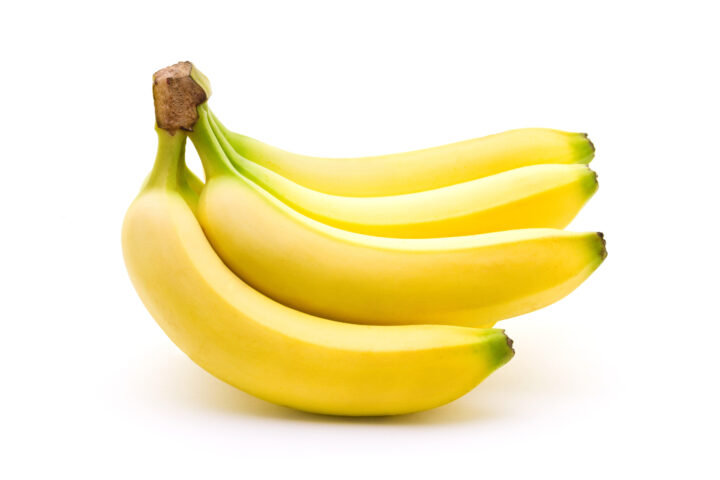
Anti-Food Waste Banana
British biotech company Tropic has developed a banana using CRISPR/Cas gene editing that no longer turns brown. In the US, it is already on the market, while in England, it has passed the decisive regulatory hurdle. The same technology could also help save the world's most popular banana from extinction.
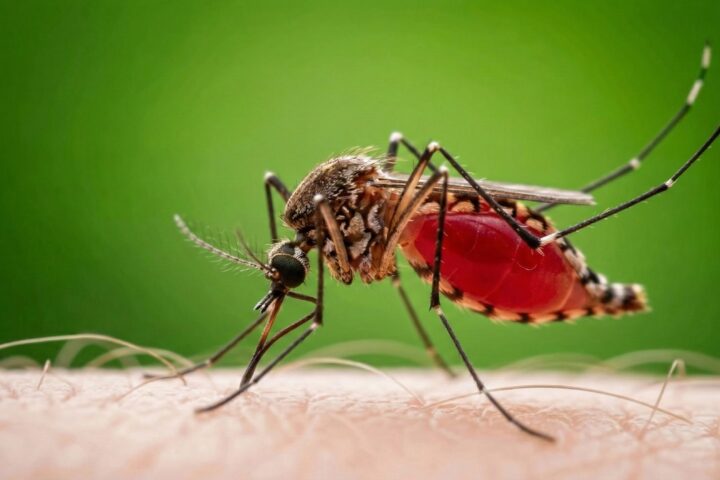
Asian Tiger Mosquito: Federal Government Implements Action Plan – But Insecticides Remain Taboo
Invasive species such as the Asian tiger mosquito are increasingly spreading across Switzerland. The federal government is sounding the alarm and wants to put a stop to the mosquito with a national action plan. However, the most effective measure is being left out: insecticides.
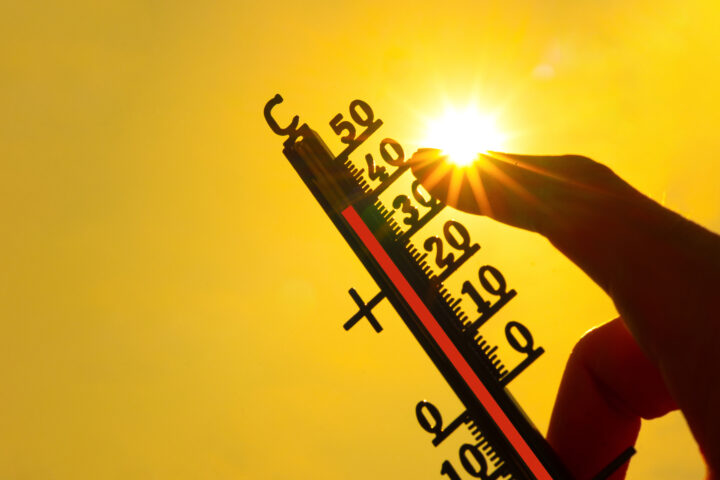
Record Heat 2026: Why Agriculture Needs Resilient Crop Varieties
Heat, drought, and hail took a heavy toll on Swiss farmers in 2026. In an interview with the NZZ, Adrian Aebi, head of Switzerland's largest crop insurer, warns: "If we carry on like this, agriculture will bleed dry." Looking to the future, there is an urgent need for resilient crop varieties that can withstand heat and dry conditions.
Record low potato harvest: Why is the Federal Council standing still?
The hot summer of 2026 caused the lowest potato harvest in Switzerland since records began a century ago. To secure domestic supply and build climate resilience, the agricultural sector is calling for swift access to new breeding technologies, which are already being authorized in the European Union. However, the Federal Council has delayed the corresponding draft legislation until 2027.