

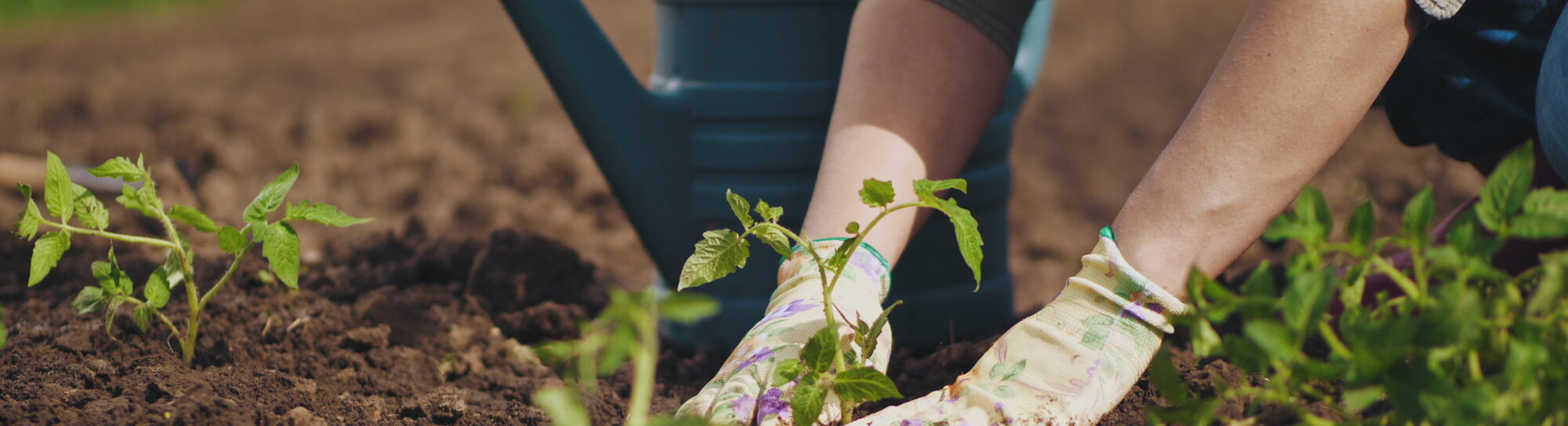
Frontline Report from an Organic Farm
Farmers know it: growing food is hard labour. Protecting crops is a battle. A realization that no longer reaches many consumers who have lost touch with agriculture. The annual report of Tännlihof in the "Zürcher Bauer" gives a good insight into the reality in the field, where every season is a renewed struggle for yield.
Published: 25.11.2026, 15:25
In brief
At Tännlihof ("Thurlandbio") in the Zurich Weinland, Heinz Höneisen and his son Martin are fighting heat, drought, pests such as cutworms, beet weevils, cabbage root flies, and wireworms, as well as price pressure from buyers in 2026.
In carrots, smaller calibres, feeding damage, and powdery mildew are leading to yield losses, which is why producers want to propose CHF 1.40 to CHF 1.50 instead of CHF 0.85.
Against the beet weevil in beetroot, the spinosad-based product "Audienz"—which can endanger bees and cause long-term damage to aquatic organisms—has been approved for organic farming since this year.
Sales volumes of crop protection products approved for organic farming have increased by 85% since 2008, while sales of conventionally approved crop protection products decreased by 36% and herbicides by 33%.
Tännlihof is located in a river bend of the Thur, west of Andelfingen in the Zurich Weinland, where the Schiterberg, one of the largest contiguous vineyard areas in the canton, forms a kind of amphitheatre above the river plain. Here, Heinz Höneisen and his son Martin grow organic vegetables under the name "Thurlandbio"—and Höneisen's review of 2026 in the "Zürcher Bauer" reads like a chronicle of battles, with a different front in every crop: heat, drought, pests, and price pressure from buyers.
Carrots: Feeding Damage, Powdery Mildew, and Price Pressure in Retail
It starts with the carrots. "When looking at the crops from the outside, it seems as though one could expect a good yield. Yet during the first rounds with the complete harvester, one is somewhat sobered," says Heinz Höneisen. Larger calibres are lacking, and: "For the first time ever, we are finding feeding damage on individual carrots."
The first suspicion falls on slugs, which is practically impossible given the drought and temperatures approaching 40 degrees, leaving cutworms as the suspected culprit—"completely new on our farm!" In addition, powdery mildew in a standard variety is causing yield losses.
Lower yields mean higher effort: at the end of November, producers and retailers negotiate prices in Bern for storage vegetables, carrots, and onions. Last year, a major retailer put producers under massive pressure, and CHF 0.85 was ultimately accepted for carrots, which Heinz Höneisen already considered too low at the time. This year, Heinz Höneisen and other producers want to propose CHF 1.40, possibly CHF 1.50, because the harvest is small and the costs for irrigation and weeding were extremely high. Whether the producers will succeed with this remains to be seen.
Beet Weevil and Organic Crop Protection Products on the Rise
The next front on Tännlihof is beetroot: the beet weevil, which has been raging in western Switzerland for some time, has made the leap into the Zurich Weinland. The insidious thing about the beet weevil is that the larval feeding tunnels are not visible at harvest: "When you trim the tops, they suddenly appear, and the question now arises: what will be tolerated by buyers?" Even in organic farming, it does not work without crop protection products: since this year, the spinosad-based product "Audienz" has also been approved in organic farming against the beet weevil, as Tännlihof reports. The organic insecticide "Audienz" can endanger bees and cause long-term damage to aquatic organisms, as stated in the Plant Protection Products Ordinance.
The plant protection product sales statistics of the Federal Office for Agriculture (FOAG) also speak a clear language (Source: Federal Office for Agriculture FOAG). According to the FOAG statistics for 2024, crop protection products approved for organic farming have increased by 85% since 2008, whereas sales of crop protection products approved for conventional farming declined by 36% and those of herbicides by 33%. The Federal Office for Agriculture points out that among organic crop protection products, too, there are those with particular risk potential.
Cabbage Root Fly, Wireworm, and Heat: Organic Farming Endangered by Missing Tools
The report from Tännlihof continues in this vein: in white cultivated radish, the cabbage root fly causes difficulties, just as it does in swede. Sweet potatoes actually thrive splendidly on Tännlihof, even at 40 degrees, but they require massive amounts of water. With no respite in the field, organic farmer Heinz Höneisen reaches the conclusion: "For the future, I see difficulties in pest control and variety selection in organic vegetable farming. Should Audienz fail due to resistance problems, large crop groups will be severely endangered in cultivation." This applies not only to organic farming, as many approvals in conventional farming are also based on this active substance: "Another one is currently not in sight."
In potato cultivation, the situation with wireworms on Tännlihof is escalating from year to year. Heinz Höneisen's assessment is clear: "Effective strategies from research that show a decisive impact are lacking." And further, Heinz Höneisen states: "I think research is strongly called upon here to find solutions for production." Heat-resistant varieties are also needed across the entire vegetable range.
The report from Tännlihof shows what is easily forgotten in the debate about agriculture: whether organic or conventional, anyone who produces food needs effective tools. Crop protection and breeding are not opponents of nature, but the prerequisite for anything growing in the field at all that ends up on the plate.
Key words: Organic vegetable farming · Crop protection products · Tännlihof · Beet weevil · Spinosad · Wireworm · Breeding · Heat
About swiss-food.ch
swiss-food.ch is an information platform run by the research-based food and agricultural technology sector, bundling fact-based content on nutrition, agriculture, crop protection, and biotechnology. The articles are editorially prepared, and the sources used are linked within the text. The platform is supported by Syngenta and Bayer.
Sources
Organic Vegetable Farming Under Changing Conditions | Zürcher Bauer
Legionella, Japanese Beetle, and Market Turbulence: The Many Faces of the Dry Hot Summer of 2026
"Organic gets by without pesticides."
Record Heat 2026: Why Agriculture Needs Robust Varieties
Having Your Cake and Eating It Too – and the Baker's Wife as Well
Where is Tännlihof located and who operates it?
Tännlihof is located in a river bend of the Thur, west of Andelfingen in the Zurich Weinland, where Heinz Höneisen and his son Martin grow organic vegetables under the name "Thurlandbio".
What problems occurred with carrots on Tännlihof in 2026?
Larger calibres were lacking at harvest, feeding damage (suspected to be caused by cutworms) appeared for the first time ever, and powdery mildew in a standard variety caused yield losses.
What price do producers want to propose for carrots in Bern?
After CHF 0.85 was accepted last year, Heinz Höneisen and other producers want to propose CHF 1.40, possibly CHF 1.50, because the harvest is small and the costs for irrigation and weeding were extremely high.
Which crop protection product is approved in organic farming against the beet weevil?
Since this year, the spinosad-based organic insecticide "Audienz" has been approved in organic farming against the beet weevil, which has spread from western Switzerland into the Zurich Weinland.
What risks does the organic insecticide "Audienz" pose?
According to the Plant Protection Products Ordinance, the spinosad-based organic insecticide "Audienz" can endanger bees and cause long-term damage to aquatic organisms.
How have sales of crop protection products developed according to FOAG statistics?
According to Federal Office for Agriculture (FOAG) statistics for 2024, crop protection products approved for organic farming increased by 85% since 2008, whereas sales of crop protection products approved for conventional farming declined by 36% and those of herbicides by 33%.
What other pests and challenges threaten organic vegetable farming?
Cabbage root flies cause difficulties in white cultivated radish and swede, wireworms are escalating from year to year in potato cultivation, and both effective research strategies and heat-resistant varieties are lacking.
Related articles

Pests increasingly threaten fruit, berry and grape harvests
Fruit, berry and wine growing is increasingly threatened by pests such as the Japanese beetle, the spotted wing drosophila and the Mediterranean fruit fly. Producers are sounding the alarm – but there is a lack of pesticides that can put an end to the pests.

New problem: soft bugs, native pests discover fruit and vegetables
Soft bugs are spreading at lightning speed in fields and greenhouses in southern Germany. These pests are destroying fruit and vegetables and pushing agriculture to its limits. Effective plant protection products must be found urgently to safeguard harvests.

Hightech im Pflanzenschutz: «GPS statt Feuerwehrschaum»
Technologischer Fortschritt und Digitalisierung machen auch vor der Landwirtschaft nicht halt. Im Gegenteil.


Costly Disincentives in the Beet Field
When the federal government and industry pursue conflicting goals, it gets expensive: while the Swiss Confederation pays beet farmers not to spray crop protection products, the sugar industry pays a special premium for spraying when needed. Processors, taxpayers, and consumers bear the costs.

Anti-Food Waste Banana
British biotech company Tropic has developed a banana using CRISPR/Cas gene editing that no longer turns brown. In the US, it is already on the market, while in England, it has passed the decisive regulatory hurdle. The same technology could also help save the world's most popular banana from extinction.
Asian Tiger Mosquito: Federal Government Implements Action Plan – But Insecticides Remain Taboo
Invasive species such as the Asian tiger mosquito are increasingly spreading across Switzerland. The federal government is sounding the alarm and wants to put a stop to the mosquito with a national action plan. However, the most effective measure is being left out: insecticides.