

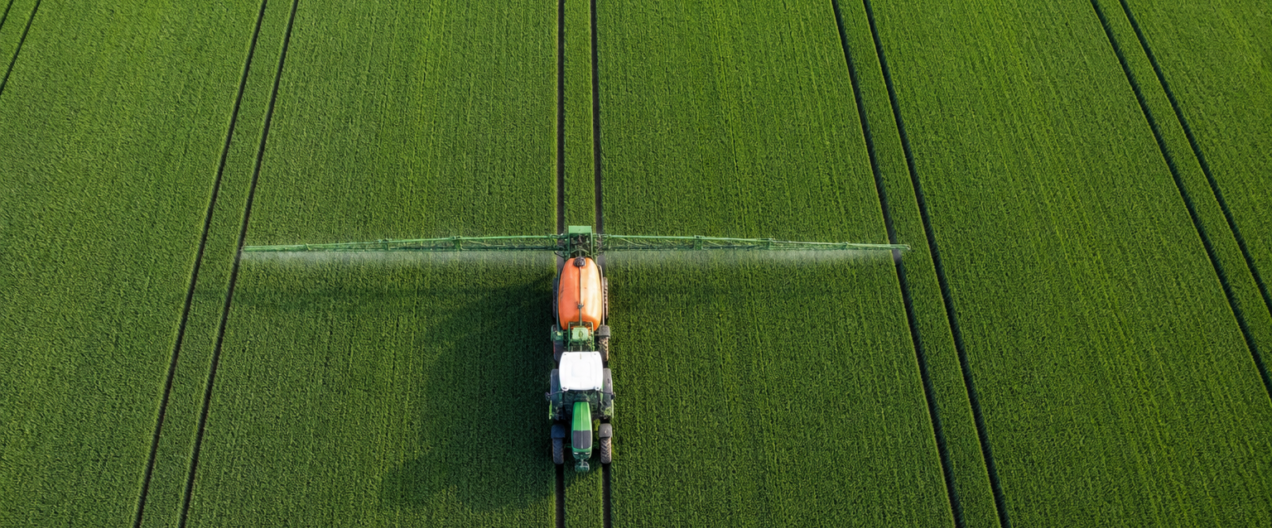
Precision Instead of Bans: What the “Pflopf” Project Shows
A six-year research project conducted in three cantons shows that precision technology can reduce the use of pesticides by a quarter without compromising yield or quality.
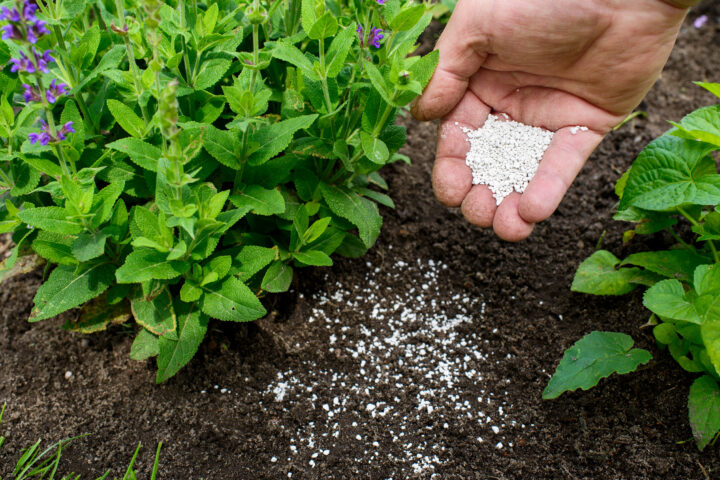
Fertiliser crisis hits Europe – what about Switzerland?
The war in Iran is driving up fertiliser prices, and Europe is facing a potential supply gap. Switzerland remains calm for the moment – and with good reason.
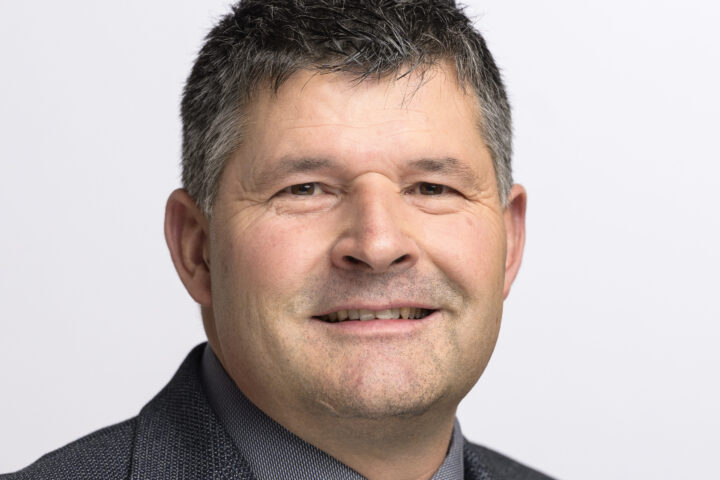
Security Risk on the Plate: "We Are Extremely Vulnerable"
Hans Jörg Rüegsegger (SVP) has been a member of the National Council representing the Canton of Bern since 2023. A certified master farmer and agricultural technician (Agro-Techniker HF), he manages a farm in the Emmental valley specialising in dairy farming and arable crop production. As the former President of the Bernese Farmers' Association, he has first-hand knowledge of the entire value chain in Swiss agriculture.
Myths & Facts
swiss-food stands for fact-based information. Important facts are explained here in an understandable way.
To the myths and factsFrom the media

Legionella, Japanese beetles, and market turbulences: What are the consequences of the dry heatwave summer 2026?
How do persistent heat and drought in the summer of 2026 impact health, agriculture, and the economy? The summer of 2026 exemplifies how heat and dry conditions are becoming a threat across various areas: from cooling systems and livestock housing to crops and consumer wallets.
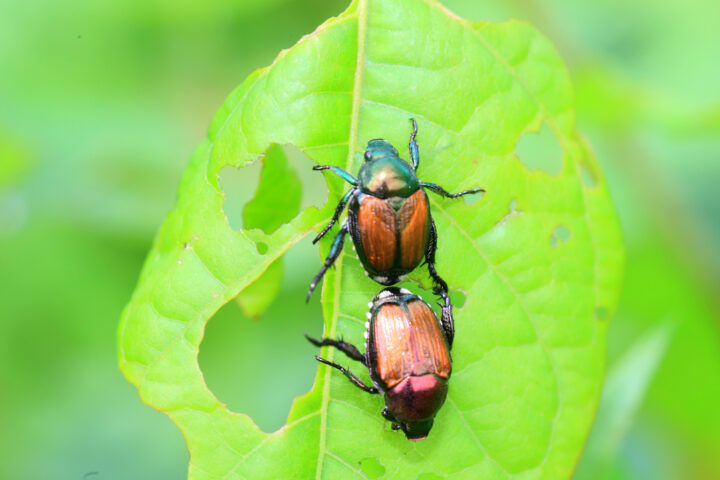
Unwanted Invaders: Why Pesticides Are Essential in the Fight Against Invasive Species
They are small, highly mobile and extremely persistent: invasive species are spreading increasingly across Switzerland. Whether it is the Japanese beetle, the Asian hornet or newly discovered ant species, these unwelcome guests threaten not only native ecosystems, but also agriculture and residential areas. There is an urgent need for pesticides – including biocides and plant protection products – to combat these pests effectively.

What can the CRISPR gene scissors do – and what not (yet)?
Since 2012, CRISPR/Cas has made it possible to alter plant DNA precisely, purposefully, and relatively cheaply. Applications ready for use today primarily include disease resistance, improved quality such as taste and nutritional value, and accelerated breeding. In contrast, complex traits like drought tolerance remain difficult because many genes are involved.

Cheap Spanish Tomatoes Are a Thing of the Past – Now Innovation Is Needed
Fewer and fewer crop protection products, increasing pest pressure and retailers demanding low prices: Spain’s vegetable production is caught in a dilemma that also affects Switzerland. The only way out is through plant breeding and digitalisation.
Knowledge
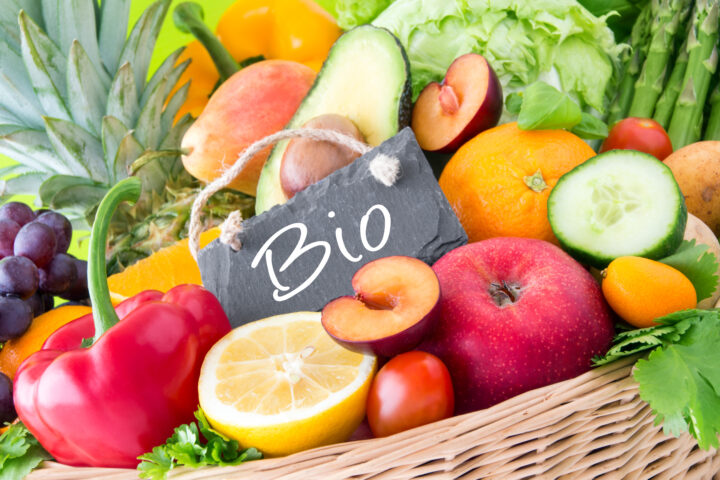
Is Organic More Sustainable?
Organic food is considered a prime example of sustainability – but in reality, it often ends up in the waste bin faster than conventional products. The omission of artificial preservatives and modern plant protection drastically shortens shelf life and leads to more food waste.
"Natural is healthy, chemicals are toxic."
Everything that occurs in nature is healthy and synthetically produced substances, i.e. "chemical" substances, are toxic. This myth is fundamentally wrong: There are many highly toxic substances in nature, and at the same time there are many synthetic substances that are absolutely harmless.

Future Foods: Sustainable, but also economically viable?
In the face of climate change, increasing pest pressure and a growing global population, agriculture is confronted with enormous challenges. To ensure long-term food security, new crops are gaining attention. A recent study highlights the potential of 30 “Future Foods” for Switzerland. However, success requires more than good intentions.
Myths about food production
Having the “right” diet is playing an increasingly more important role in the lives of a great many people. A healthy lifestyle has become a status symbol. Healthy foods and sustainable production methods have been the subject of many extremely emotional debates. A wide range of outdated ideas and myths have taken root in the minds of a large number of consumers. Below, we will take a look at some myths and their deconstruction.

Green biotech: safety concerns no longer hold water
At the end of October, swiss-food.ch hosted a film screening and panel discussion in Zurich on the subject of genome editing entitled “Between Protest and Potential”. The well-attended event dealt with the emotional debates in recent decades surrounding genetic engineering. The event showed that the situation has changed fundamentally.
Audio & Video
swiss-food has a large selection of exciting videos and podcasts on the topics of food, agriculture and research.
To the podcasts and videosPolitics
Security Risk on the Plate: "We Are Extremely Vulnerable"
Hans Jörg Rüegsegger (SVP) has been a member of the National Council representing the Canton of Bern since 2023. A certified master farmer and agricultural technician (Agro-Techniker HF), he manages a farm in the Emmental valley specialising in dairy farming and arable crop production. As the former President of the Bernese Farmers' Association, he has first-hand knowledge of the entire value chain in Swiss agriculture.
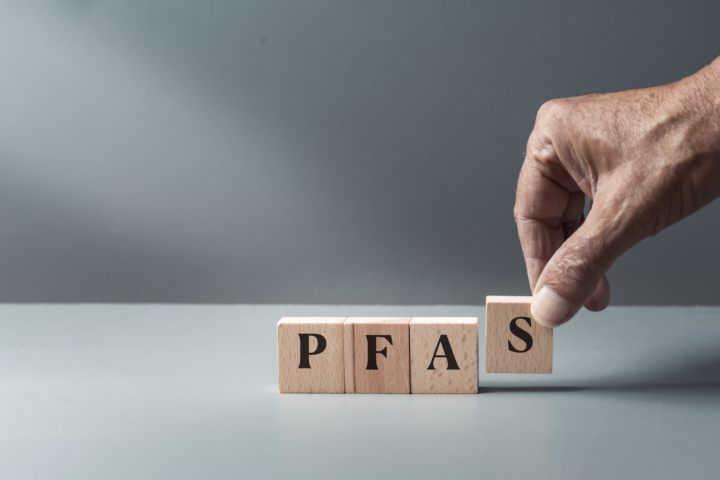
Assess scientifically instead of banning indiscriminately
The debate surrounding PFAS is gaining momentum in Switzerland. At its core are questions about potential risks to human health and the environment, as well as future regulatory approaches. A differentiated, science-based approach is essential – as emphasised by scienceindustries in a short interview with Dominique Werner, Head of Chemicals Regulation.

Faster Approval of Crop Protection Products Long Overdue
Switzerland diligently bans active substances that have also been withdrawn from the market in the EU. Conversely, it is dragging its feet: modern products that are approved in neighboring countries remain blocked. With the adoption of the amendment to the Agriculture Act, the National Council has now taken an important step toward faster approval of plant protection products.

Differing perceptions
While the increasing administrative burden is perceived as the main concern in the economy, parts of the population see it differently. Meanwhile, regulations are repeatedly misused as a means of exerting power in the competitive struggle – to the detriment of SMEs.
Blindspot
Blindspot articles are marked with a small spotlight and illuminate the «blind spots» in the agricultural policy debate.
To the Blindspot articlesResearch
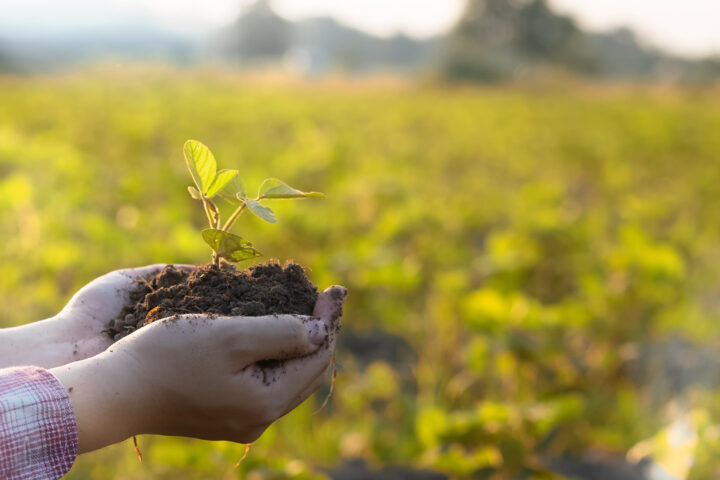
Lack of diversity becomes an existential problem
The dwindling genetic diversity in fields is becoming an increasing problem. Unfortunately, this problem is growing steadily, partly because politicians in Switzerland and the EU are viewing the issue through ideological lenses instead of listening to science.

Research into fungal diseases in Lyon
Fungal diseases are one of the greatest threats to global food production. They endanger crops, cause billions in damage every year and have always put farmers under pressure. A detailed report by RTS provides insights into Bayer's global research and development centre in Lyon, where new, environmentally compatible fungicides are being researched.

Science sounds the alarm: Federal Council draft slows down innovation
The new genomic breeding methods are regarded worldwide as a source of hope for climate-resilient agriculture – precise, efficient, and safe. While countries such as the US, Japan, and soon the EU are pushing for deregulation, the Federal Council's regulatory proposal remains tentative. Now researchers and industry are sounding the alarm: the proposed rules are so strict that they would effectively block innovation and application.
Approvals are becoming a brake on innovation worldwide – and agriculture is being left behind
New findings from the United States highlight what has long been a reality in Europe and Switzerland as well: the development and approval of new crop protection products has become such a complex, lengthy, and costly process that even innovative, sustainable solutions can hardly reach the market anymore.
Brexit has given British farmers more ways to adapt to climate change
Jonathan Brown
Head of Europe at agricultural technology business Syngenta

Why has organic and sustainable farming veered so far away from the scientific evidence?

Henry I. Miller
Physician and molecular biologist

Reason Over Ideology: The International Union for Conservation of Nature (IUCN) Rejects a Blanket Ban on Genetically Modified Organisms – A Victory for Science

Stephanie Lahrtz
Science Editor, NZZ
'Pure hubris'

Patrick Dümmler
Head of Sustainability and Economic Policy at the Swiss Trade Association
We are bringing up the rear in Europe when it comes to plant protection

David Brugger
Head of Plant Production, Swiss Farmers’ Union
Carte Blanche: Excessive Anti-Alcohol Strategy

Philipp Schwander
Master of Wine, wine expert and entrepreneur
Brexit has given British farmers more ways to adapt to climate change
Jonathan Brown
Head of Europe at agricultural technology business Syngenta
Why has organic and sustainable farming veered so far away from the scientific evidence?
Henry I. Miller
Physician and molecular biologist
Reason Over Ideology: The International Union for Conservation of Nature (IUCN) Rejects a Blanket Ban on Genetically Modified Organisms – A Victory for Science
Stephanie Lahrtz
Science Editor, NZZ
'Pure hubris'
Patrick Dümmler
Head of Sustainability and Economic Policy at the Swiss Trade Association
We are bringing up the rear in Europe when it comes to plant protection
David Brugger
Head of Plant Production, Swiss Farmers’ Union
Carte Blanche: Excessive Anti-Alcohol Strategy
Philipp Schwander
Master of Wine, wine expert and entrepreneur